The Role of Art and Culture in Empowering Women in Montenegro
-
 Loading...
 - Angelina Casa
- 01 Apr 2025
- 30 Views
- 0 Like
- 0 Comment
In Montenegro, art and culture serve as powerful tools for empowering women, fostering their voices, and promoting gender equality. The country, with its rich cultural heritage and diverse artistic expressions, provides a unique landscape for women to engage in creative endeavors that challenge societal norms and advocate for their rights. Here are several key ways in which art and culture contribute to the empowerment of women in Montenegro:
1. Cultural Expression and Identity
Montenegro's diverse cultural landscape allows women to express their identities and experiences through various artistic forms, including traditional crafts, music, dance, and contemporary art. By engaging in these cultural practices, women can celebrate their heritage, assert their individuality, and share their stories. This expression fosters a sense of belonging and pride, empowering women to embrace their identities.
2. Challenging Gender Norms
Art and culture in Montenegro provide a platform for challenging traditional gender roles and stereotypes. Female artists, writers, and performers often use their work to address issues such as gender-based violence, discrimination, and social inequality. By highlighting these topics through their art, they raise awareness and provoke discussions that can lead to social change.
3. Community Building and Solidarity
Cultural initiatives and artistic collaborations create spaces for women to connect and support one another. Community art projects, workshops, and festivals encourage women to come together, fostering solidarity and collective empowerment. These gatherings not only strengthen social bonds but also provide opportunities for women to share their experiences and learn from one another.
4. Education and Skill Development
Art and cultural programs in Montenegro often include educational components that equip women with valuable skills. Workshops in visual arts, theater, music, and literature enhance women's creative abilities and provide them with tools for self-expression. Additionally, these programs can foster critical thinking, communication, and leadership skills, further empowering women in various aspects of their lives.
5. Economic Opportunities
Engagement in the arts can lead to economic empowerment for women in Montenegro. The creative sector offers job opportunities and avenues for entrepreneurship, allowing women to gain financial independence. Initiatives that support women artists, such as grants, mentorship programs, and exhibitions, can help them develop their skills and build sustainable careers in the arts.
6. Representation and Visibility
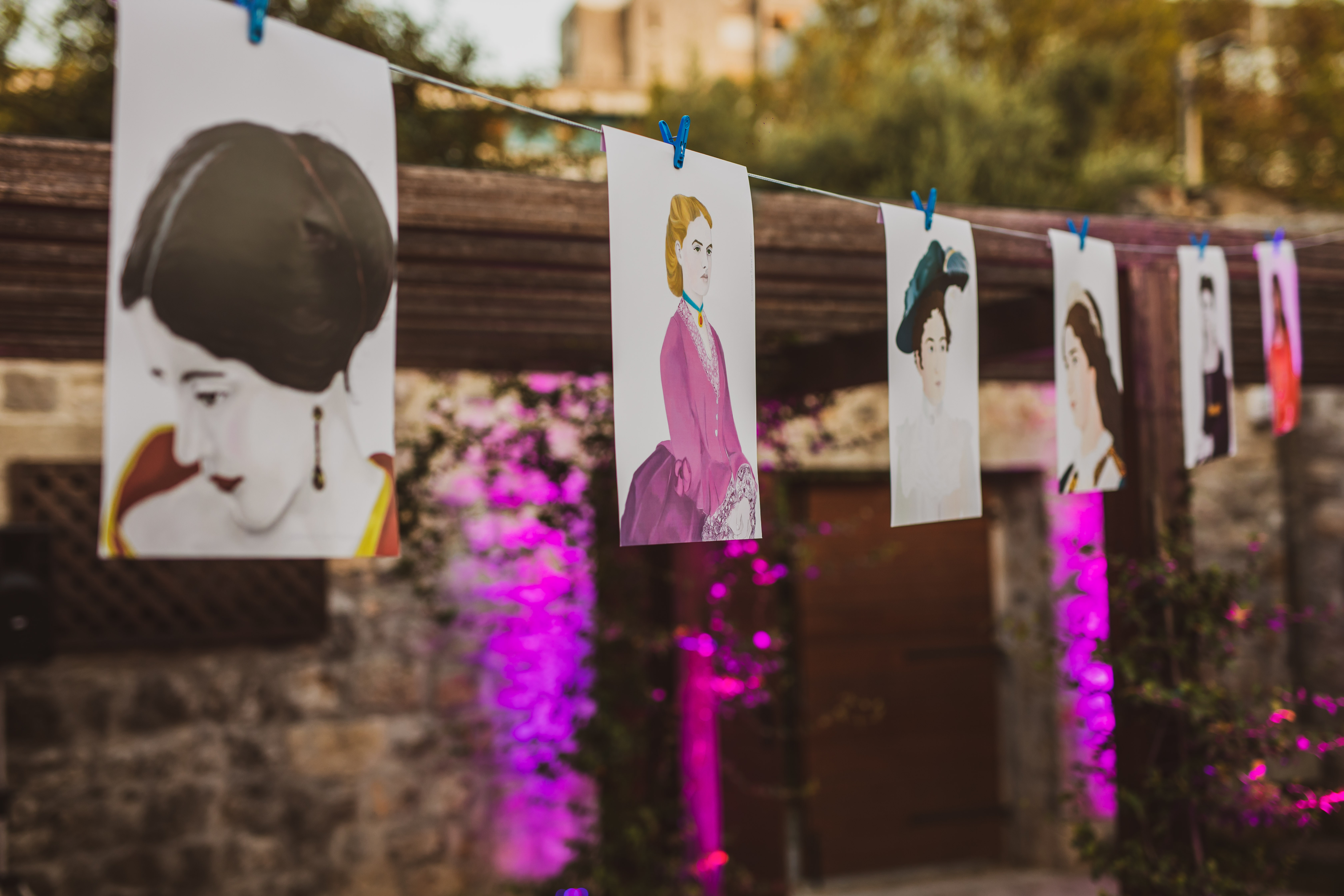
Art and culture play a crucial role in increasing the visibility of women’s contributions to society. By documenting and showcasing women’s stories through various artistic mediums, Montenegro can recognize and honor their achievements. This representation is essential for inspiring future generations and ensuring that women's voices are included in the national narrative.
7. Cultural Preservation and Innovation
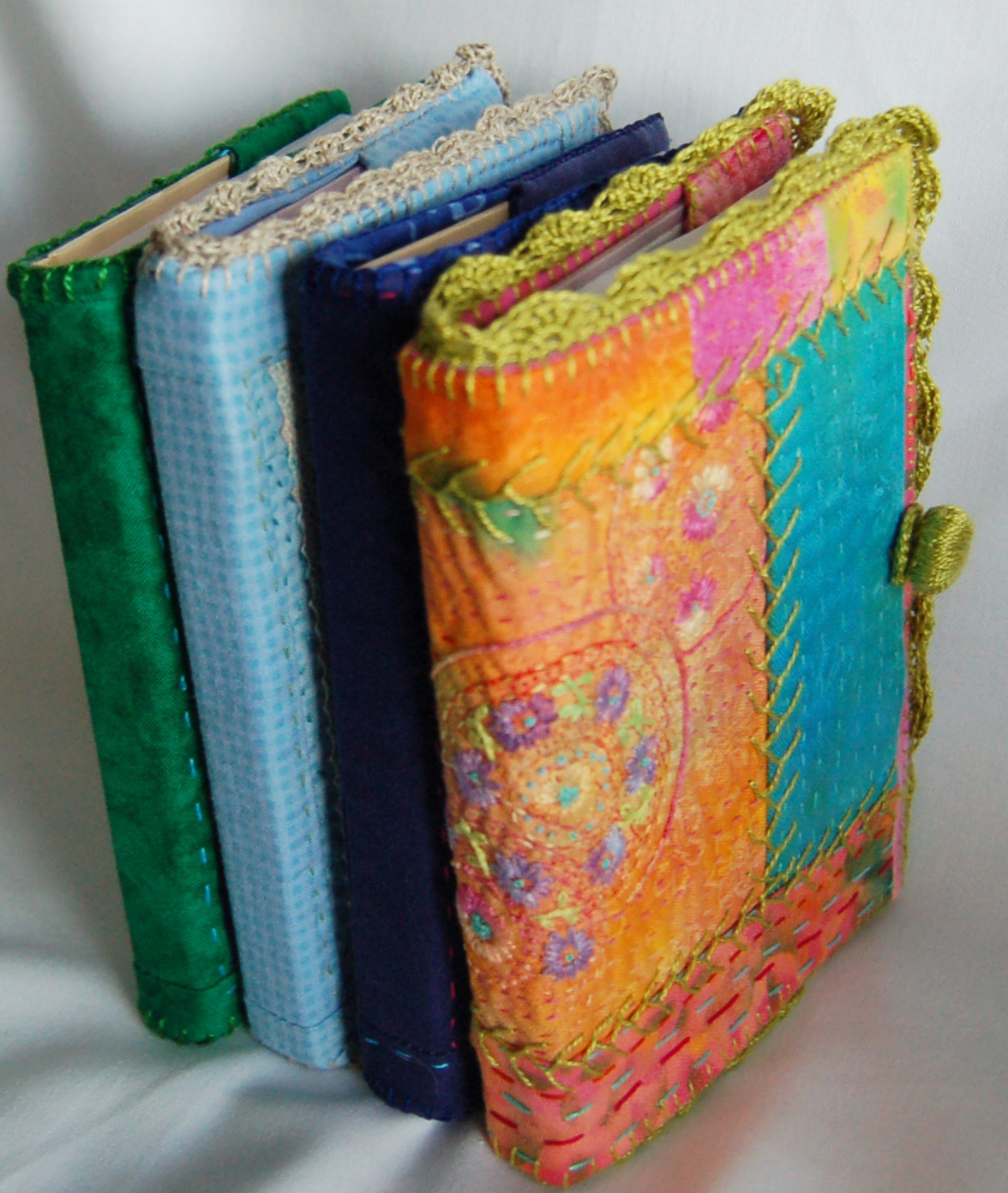
Women in Montenegro are often at the forefront of preserving traditional crafts and cultural practices while also innovating new forms of artistic expression. By blending traditional and contemporary art forms, women can create unique works that reflect their experiences and perspectives. This not only enriches the cultural landscape but also empowers women to take ownership of their cultural heritage.
In Montenegro, the intersection of art, culture, and women's empowerment is a dynamic and transformative space. Through cultural expression, community building, and advocacy, women are using art to challenge societal norms and promote gender equality. As Montenegro continues to support and promote women's artistic endeavors, it contributes to a more equitable and inclusive society where women's voices are heard, valued, and celebrated. By harnessing the power of art and culture, Montenegro can empower women to shape their destinies and influence the future of their communities.