The Urgent Need for Quality Education in Rural India
-
 Loading...
 - Amyra Chishti
- 12 Sep 2024
- 61 Views
- 0 Like
- 0 Comment
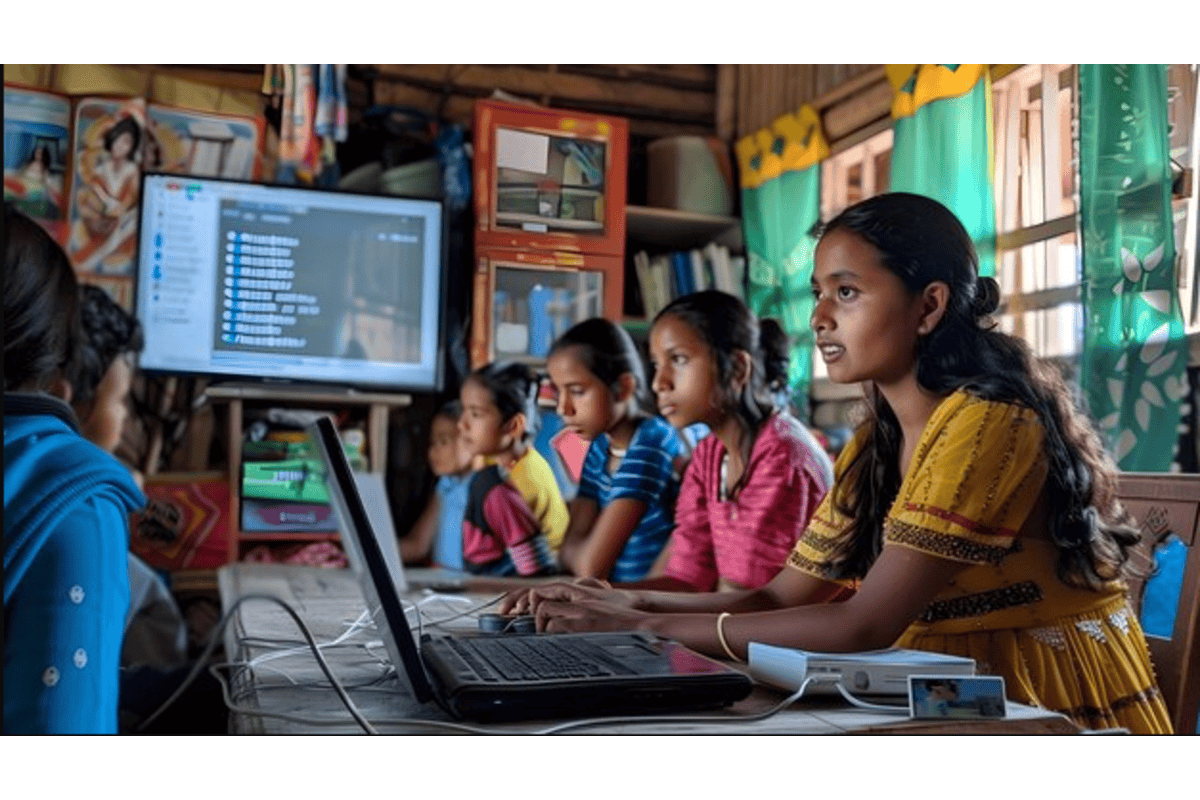
The conversation with Ms. Brinda, CEO of eVidyaloka, highlights the current state of education in India and the need for quality education in rural areas. Despite significant budget allocations for education, the system still faces challenges, including limited access to quality resources, inadequate teacher training, and the dominance of English in digital content.
The Annual Status of Education Report (ASER) 2023 reveals that 25% of rural students aged 14-18 struggle to read a grade-second level text in their regional language, and over half face difficulties with basic arithmetic. eVidyaloka's initiatives aim to address these challenges by setting up digital classrooms, offering curricula in local languages, and emphasizing digital literacy and foundational skills.
Technology and digital tools can greatly improve education in remote villages by providing access to quality resources and passionate teachers. Digital classrooms and online platforms enable personalized, interactive learning, helping students grasp complex concepts and receive real-time feedback. eVidyaloka's approach focuses on delivering grade-appropriate content in regional languages, incorporating practical activities, and connecting learning with local contexts.
eVidyaloka faces challenges such as limited infrastructure, technological readiness, and socio-cultural barriers. However, the organization addresses these challenges by partnering with local community organizations, using technology to connect global volunteers with local communities, and refining volunteer mobilization strategies.
eVidyaloka's journey has been marked by several key milestones, including the establishment of 100 digital classrooms across seven states and the expansion of its impact to 1.89 lakh students across 14 states. The organization has also seen success stories, such as Rohit Kumar Verma's academic excellence and Suma's national recognition for her innovative Human Heart model.
eVidyaloka plans to expand its reach by setting up digital classrooms in over 2,000 government schools in the next five years, integrating advanced digital literacy and AI concepts into the curriculum, and strengthening partnerships with local communities and global volunteers. The organization aims to provide not only education but also support rural livelihoods and community development for a sustainable impact.
The conversation with Ms. Brinda highlights the urgent need for quality education in rural India and the potential of technology and digital tools to bridge the educational gap. eVidyaloka's initiatives and success stories demonstrate the impact that can be achieved through innovative approaches to education, and the organization's future plans aim to further expand its reach and enhance its impact on rural education in India.