The wonderful wetlands of the United States
-
 Loading...
 - Kirsten Cooper
- 08 Feb 2023
- 66 Views
- 0 Like
- 0 Comment
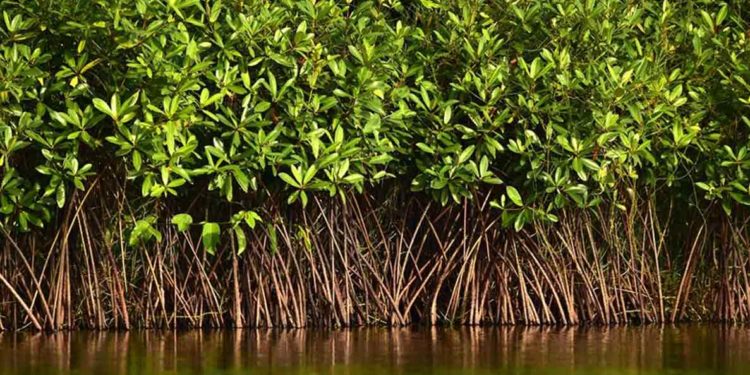
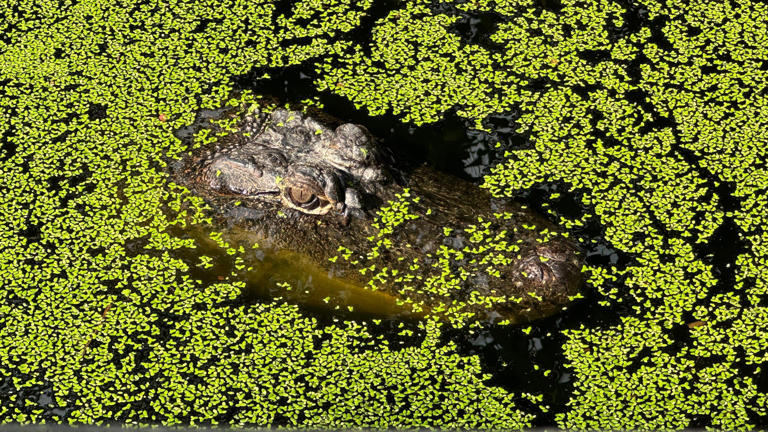
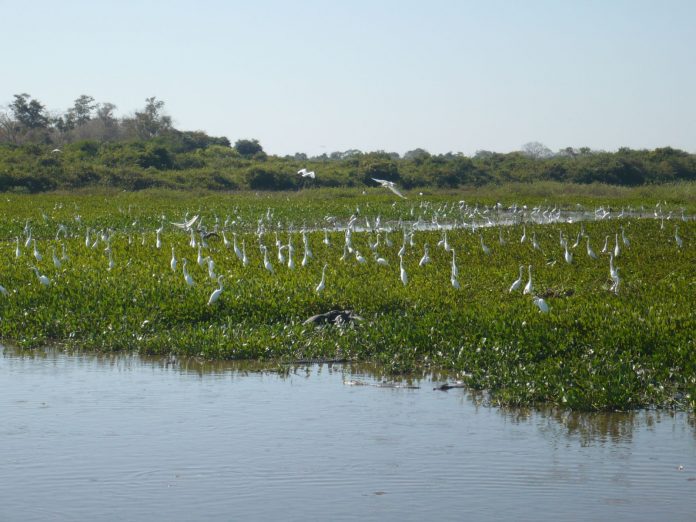
America's wetlands, bogs, swamps, and marshes usually get a bad rap. They've been associated with humid, mosquito-infested, alligator-haunted areas of horrors for a large portion of history, and some today still hold that misconception. In truth, the wetlands of the United States, and the world at large, are some of the most beautiful, fascinating, and important ecosystems there are. More than where to find mosquitos and scary reptiles, they are also home to innumerable species of birds, butterflies, and fish. And to put aesthetics aside altogether, wetlands are also some of the hardest-working ecosystems in the world. They filter our air, fortify our coastlines, and blunt the damage that violent storms can bring.
Intrigued? Then click on to take a look at some of America's most magnificent wetlands.

What are wetlands?
America’s wetlands are the most diverse biomes in the nation, and some of the most diverse across the world. They are home to at least one third of all the endangered species in America, and, despite their undeserved reputation as hostile wastelands, the swamps, marshes, and bogs of America are essential to its environmental health.

The importance of wetlands
Similar to the rainforests of tropical zones, America's wetlands act as the lungs of the country, sequestering bad carbon dioxide from the air and converting it into oxygen with impressive efficiency. They filter water in a similar fashion, and are incredibly beneficial to the health of groundwater systems. Wetlands are also instrumental in controlling the flow of rivers, preventing flooding, curbing the impact of erosion, and are the homes of thousands of species of plants, animals, fish, and insects.

Wetlands at risk
Unfortunately, wetlands were poorly understood until relatively recently, and extensive damage has already been done to these essential ecosystems. Today's marshes and bogs constitute less than half of the wetlands that existed before European colonization. Unruly use of groundwater deposits, oil projects, and general disrespect have cut deep wounds into these necessary and fragile biomes. Read More…