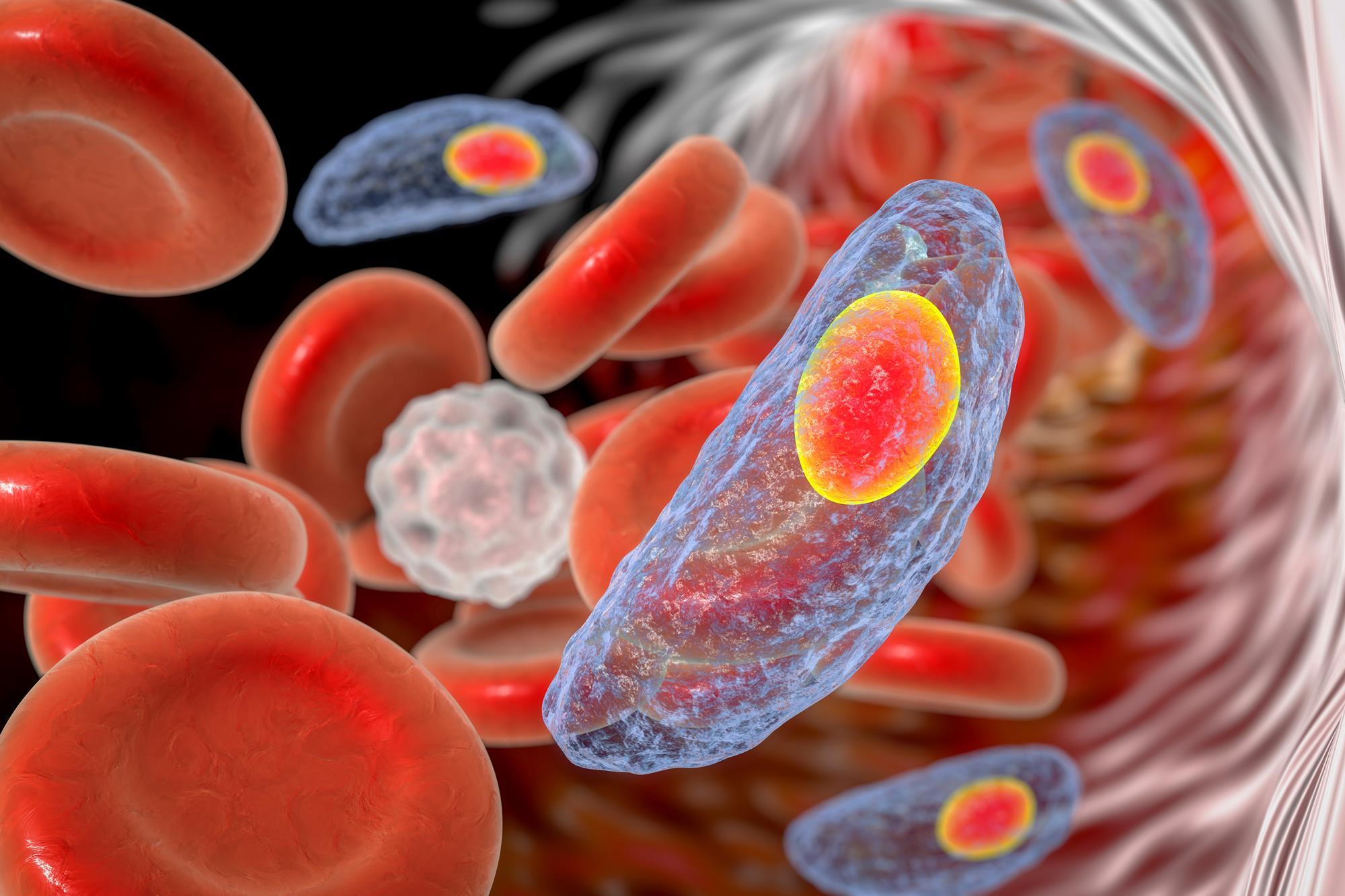
Therapeutic proteins can hitch a ride on parasite to bypass blood-brain barrier
-
 Loading...
 - Sullivan Baiss
- 15 Aug 2024
- 58 Views
- 0 Like
- 0 Comment
Researchers have found a potential solution to delivering therapeutic proteins to the brain, a feat that has long been hindered by the blood-brain barrier. The unlikely hero in this breakthrough is a parasite, specifically Toxoplasma gondii, which has a natural ability to cross the blood-brain barrier and infect the central nervous system.
The blood-brain barrier is a selective, semipermeable border that protects the brain from unwanted substances, including toxins and parasites. However, this barrier also prevents large molecules, including therapeutic proteins, from entering the brain, making it challenging to deliver treatments for neurological disorders.
The parasite T. gondii has evolved to infect most warm-blooded animals, including humans, and is capable of migrating to the central nervous system. Researchers have genetically engineered this parasite to deliver therapeutic proteins to the brain, effectively bypassing the blood-brain barrier.
In a recent study, scientists demonstrated the ability to deliver a protein used to treat Rett syndrome, a neurological disorder that mainly affects women, directly to nerve cells in the brains of mice. This breakthrough has significant implications for the treatment of various neurological disorders, including Alzheimer's disease, Parkinson's disease, and multiple sclerosis.
The researchers engineered the parasite to secrete therapeutic proteins, which were then delivered to the brain cells. The study showed that the parasite was able to deliver proteins of various sizes, target cellular localizations, and cellular functions, making it a versatile platform for protein delivery.
While the study is still in its early stages, the potential for this technology to revolutionize the treatment of neurological disorders is vast. The ability to deliver therapeutic proteins directly to the brain could lead to more effective and targeted treatments, improving the lives of millions of people worldwide.
The next step for the researchers is to work on attenuating the vectors, ensuring that the parasite only delivers the therapeutic protein and does not cause any harm to the host. With further development and testing, this technology could become a game-changer in the field of neuroscience.