These Are Some Of The World's Best Scuba Diving Destinations
-
 Loading...
 - Adela Chvatal
- 02 Aug 2022
- 99 Views
- 0 Like
- 0 Comment
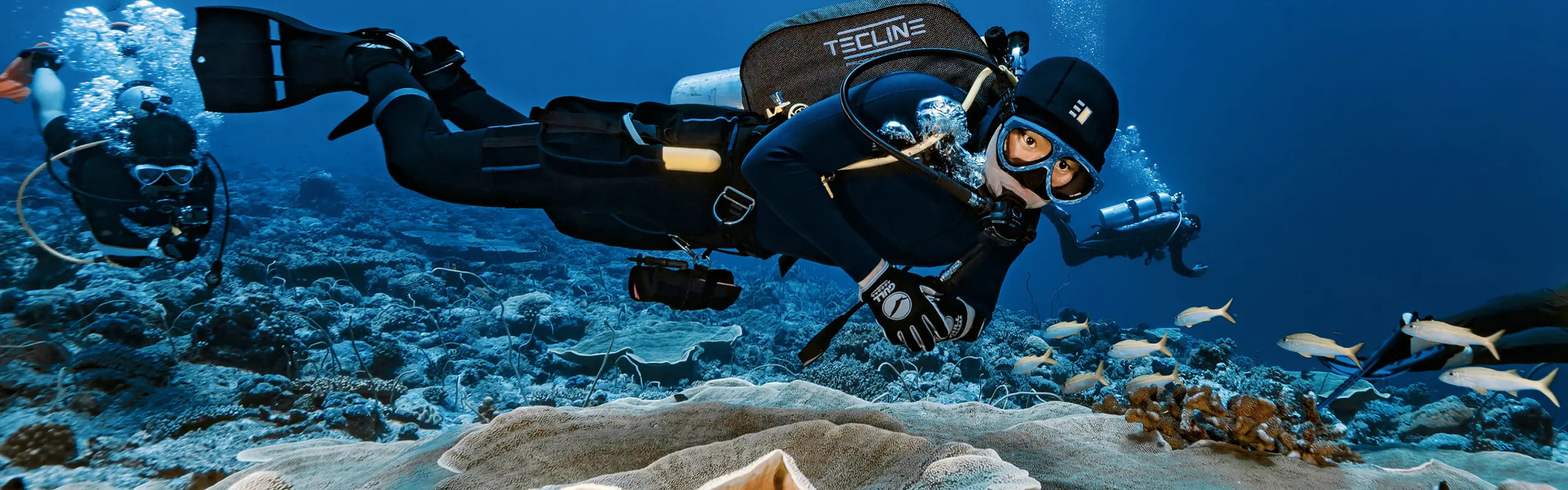
‘Eat, Sleep, Dive, Repeat!’ - if that's the motto, you're in for a treat; liveaboard vacations are the one and only way to get that done in that exact order. More than just any old dive holiday, a liveaboard trip delivers a fully immersive underwater and topside experience and allows divers to explore some of the best sites in the world - and a lot of them - over a short period of time. Ranging from a few days to a couple of weeks, a liveaboard safari also provides the ultimate opportunity to the most discerning underwater enthusiasts: access to remote sites that land-based dive operators simply don't have the resources, time, and facilities to reach.
With so many epic sub-sea realms to discover all across the vastness of the globe's oceans, scuba divers are truly spoiled for choice when it's time to pick their next adventure. There are so many formidable liveaboard destinations to choose from, each with its own unique dive sites, marine species, sea conditions, and above-water experiences. So, to help liveaboard lovers decide where to go for their next "eat, sleep, dive, repeat" exploration of the planet's most celebrated subaquatic seas, this guide explores the very best liveaboard locations and dives into the details of each unique place.
11
The Solomon Islands
It's difficult to get more remote than the Solomon Islands; situated around 1,000 miles east of Papua New Guinea, trips usually depart from Honiara and head to these isolated coral atolls, and there are only limited operators and trips available. Highly sought-after, these islands can be hard to get a booking for - and one breath underwater answers why. Completely untouched and unspoiled thanks to scarce tourism and fishing, the dive sites here are rich and rife with life and open up an exclusive opportunity to dive some of the world's most pristine reefs - of which there are seemingly more than anywhere else in this spectacular part of the world.
And it's not just vibrant hard and soft coral-laden reefs and gigantic gorgonian sea fans pulsating with equally vibrant tropical fish that makes this spot so sublime (not to mention the big pelagics such as dolphins, mantas, and whales at many sites), it's also the variety of dive sites. From caves and canyons to WWII wrecks and mind-boggling muck diving sites prime for rare critter hunting, the diversity of diving in the Solomon Islands is celebratory. Still vastly under-explored, most of the 900-odd islands here can't be visited on a single trip, and many boats don't even go to some of them due to their remoteness. Generally speaking though, most liveaboard trips to these islands are anywhere from seven to 14 nights and do cover a decent amount of ocean to give a superb sample of what this sensational speck in the sea has to offer - which is indeed some of the very best underwater action and marine life in the Indo-Pacific.
10
The Cayman Islands
Nestled in the northern Caribbean Sea, the Cayman Islands offer diverse diving styles to suit all experience levels. Grand Cayman at the farthest west is the islands' largest, while Little Cayman and Cayman Brac are found slightly north and around 75 miles to its east. Because of the slightly lengthy yet doable distance between these islands, exploring their dive sites by liveaboard is undoubtedly the best way to see the best of each in one trip. Most liveaboards start and end in George Town, Grand Cayman, moving east on a path that showcases each iconic dive site along the way, many of which deliver some impressive underwater topography, including sandy lagoons, dramatic wall dives, and towering reefs that give way to plummeting drop-offs.
What's more, the marine life in this part of the Caribbean is among the most mind-blowing, featuring healthy corals, massive sponges, healthy reef fish numbers, and of course, a great number of macro critters to hunt for. The big stuff also thrives in these waters, with appearances from huge groupers, barracuda, various rays, turtles, and even majestic nurse sharks at many dive sites. Specific sites worthy of one's attention in and around the Cayman Islands that liveaboards visit include Stingray City and the SS Kittiwake Wreck, the latter being one of the most accessible shipwrecks in the Caribbean. Cayman Brac also has its own shipwreck to dive; the MV Captain Keith Tibbetts, which is another popular site frequented by liveaboard boats.
9
Tubbataha, Philippines
The Tubbataha Reefs Natural Park is a UNESCO World Heritage Site and one of the best diving areas in the Philippines - and due to its remoteness, it's only accessible via liveaboard. Located in the Palawan region, Tubbataha is home to untouched reefs and prolific amounts of tropical fish and even offers excellent encounters with pelagic life. In fact, the reefs here are so rich and diverse that almost 50% of the planet's coral species inhabit them, which provide homes for over 600 fish species and around a dozen kinds of sharks.
From white tip reef sharks, tiger sharks and manta rays to turtles, schooling barracuda and jacks, and rare macro creatures like seahorses, nudibranchs and ornate ghost pipefish, divers who explore Tubbataha's pristine waters can expect to encounter all manners of fascinating creatures. And with such incredible underwater diversity, the liveaboard journey is more than worth the 10 hours it takes to get there from Puerto Princesa - the place where the majority of liveaboard boats depart from and return to. Also, divers should note that trips to this impeccable marine park only run between March and June each year, and they do book up quite quickly, so it's better to reserve well in advance to avoid disappointment.
8
Belize
Heading to the western shore of the Caribbean Sea will see travelers arrive at Belize - one of the region's lesser crowded scuba diving destinations with a wealth of pristine, uncrowded underwater sites to match. Diving in Belize is incredibly varied, with many of the sites being beautiful fringing reefs that are protected in the Belize Barrier Reef Reserve System. Commonly described as one of the most stunning, unspoiled underwater ecosystems in the entire Western Hemisphere, it's no wonder Belize and its glorious reefs are some of the most breathtaking on Earth - and the best way to marvel at them is by liveaboard trip.
Since many of Belize's dive sites are spread out along its expansive coastline, a liveaboard is definitely the most convenient way to discover as many of them as possible. Many dive resorts and dive operators do visit a lot of sites, but liveaboards enable access to far more of them than land-based operators. Typically, liveaboard vessels both set sail from and finish in Belize City and usually spend most of the journey at the outlying sites of Lighthouse Reef, Half Moon, and Turneffe Reef, to name but a few extraordinary dive areas.
It's at these sites, as well as at many of Belize's others, where sub-sea explorers can enjoy a mesmerizing abundance of kaleidoscopic coral gardens, big sponges, and intense amounts of tropical fish species, gliding rays, and no lack of prowling reef sharks. Really lucky divers who visit at the right time may even get the chance to encounter the biggest fish in the sea - the humongous whale shark - which is occasionally seen around the full moon period in April and May. And, to save the very best 'til last, Belize has one more surprise up its sleeve - one that most other dive destinations around the world can beat: the Great Blue Hole. Globally famed and a diver's hotspot, this UNESCO World Heritage Site measures 300 meters (984 feet) across and descends to 108 meters (354 feet), and is thus the third-deepest blue hole on the planet just behind Dean's Blue Hole in the Bahamas and Dragon Hole in the South China Sea. Minimal marine life there may be at Belize's massive blue hole, but what it lacks in critters it makes up for with its surreal subaquatic terrain; think stupendous rock formations, stunning stalactites, and of course, the mesmeric depths of the dark hole itself. Read More...