This Bolivian Airline is Finally Replacing its Aging Fleet

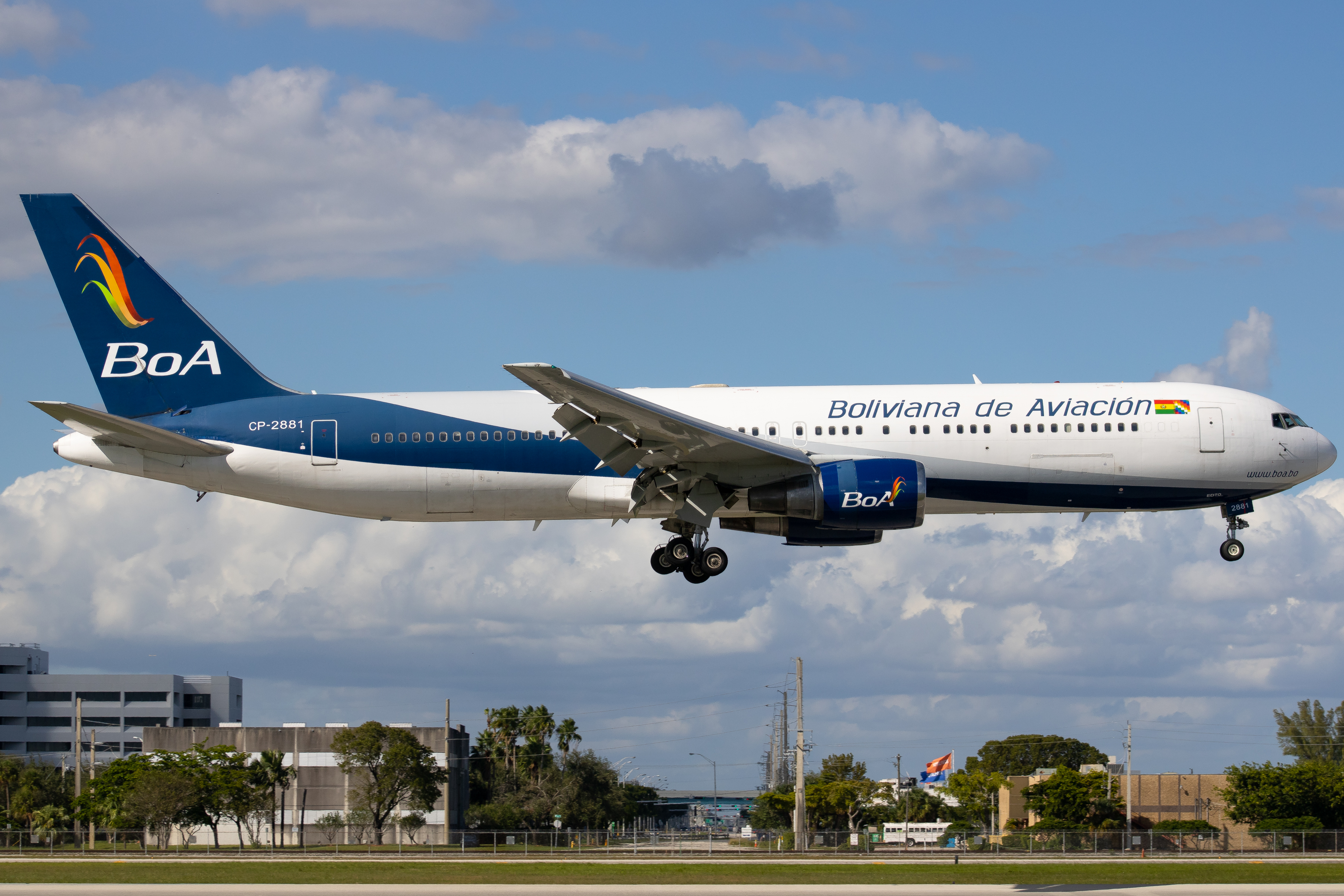
After numerous attempts to modernize its aging fleet, Boliviana de Aviación (BOA), the flag carrier of Bolivia, will finally acquire a fleet of A330s to enhance its long-haul flights.
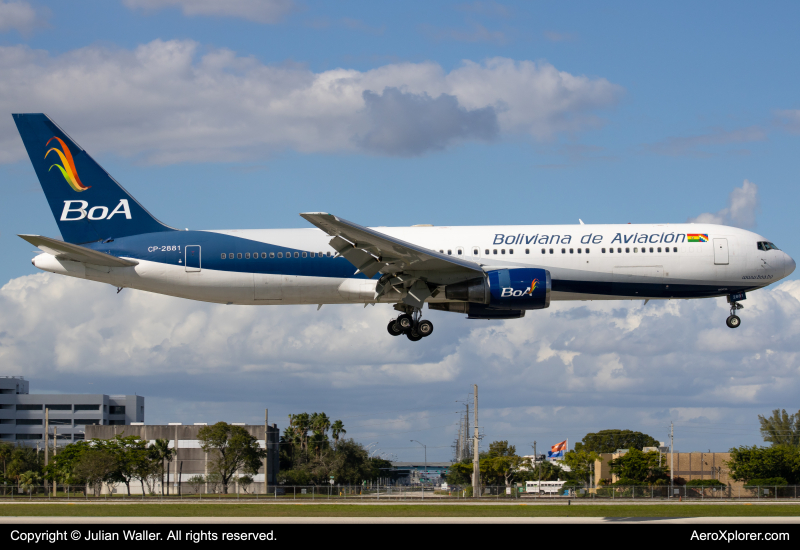
For a considerable period, BOA has operated three Boeing 767-300s, all of which are 28 years old. While it is not uncommon to own aircraft of such age, the interiors of these planes are significantly outdated and fail to meet the modern standards that passengers, especially those in premium cabins, expect.
None of BOA's 767s offer seatback in-flight entertainment, and their business class consists of two rows arranged in a 2-1-2 configuration, depriving window seat passengers of direct aisle access. Additionally, the recliner seats in business class do not provide a substantial recline, limiting passenger comfort during long flights.
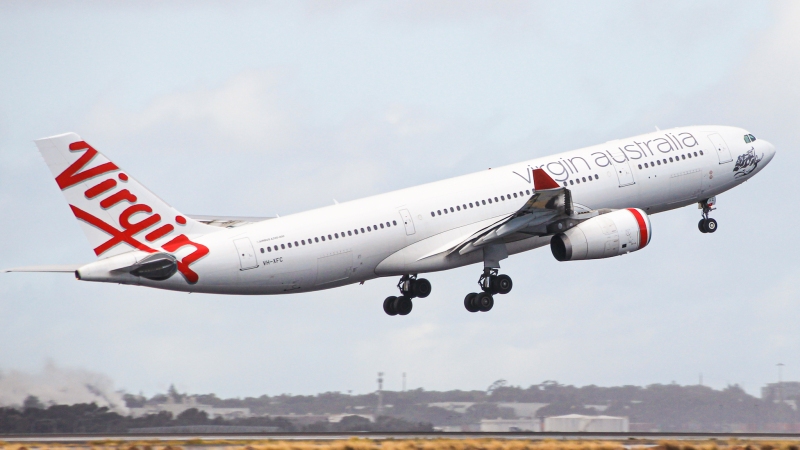
Thankfully, BOA has struck a deal with Virgin Australia to gradually acquire some of their stored A330s this year. The Bolivian airline has already added an eight-year-old A330 registered as CP-3209 to its fleet.
Virgin Australia has equipped its A330s with a more contemporary reverse herringbone layout in business class, ensuring every seat has direct aisle access. Consequently, passengers traveling on BOA's A330s will enjoy a significant upgrade in both economy and business class.
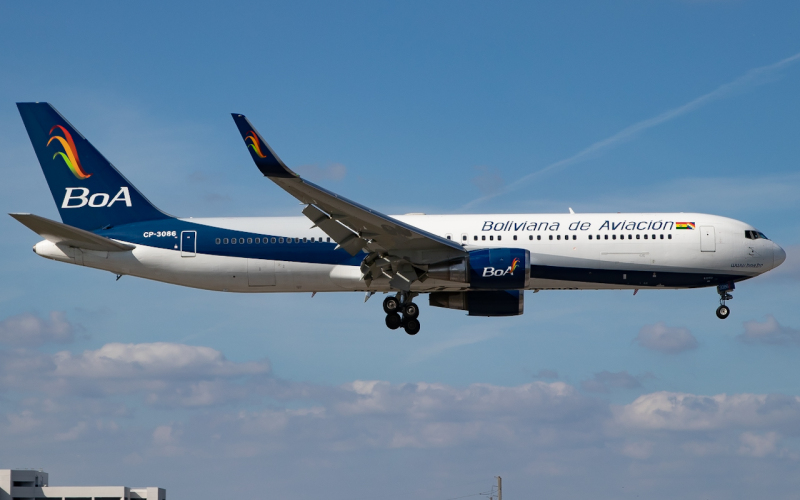
Currently, BOA operates its 767s on several routes, primarily to the United States. Most of the airline's long-haul flights either originate from or travel to Santa Cruz de la Sierra (VVI). Although not Bolivia's largest city, the airport in Santa Cruz boasts a longer runway and lower altitude compared to cities like La Paz and Cochabamba, making it more suitable for long-haul traffic. Typically, BOA deploys its three 767-300s on two routes: Santa Cruz (VVI) to Miami (MIA) and Santa Cruz (VVI) to Madrid (MAD).
Now that BOA has received its first A330 from Virgin Australia, which had temporarily stored many of its long-haul aircraft due to the pandemic, these improvements are expected to be implemented in the coming months. Moreover, unlike previous occasional A330 wet leases, these A330s are acquired through a full leasing contract and will be consistently used in the upcoming years.