Tiger and bear rescue spotlights captive wildlife tourism woes in Thailand
-
 Loading...
 - Feng Huang
- 15 Mar 2022
- 397 Views
- 0 Like
- 0 Comment
The future of Phuket Zoo was uncertain long before the COVID-19 pandemic closed Thailand’s borders to foreign tourists. Animal rights campaigners had frequently raised concerns over conditions at the facility, and visitor numbers were dwindling. Now, after two years of near-zero income, the zoo has shut down for good.
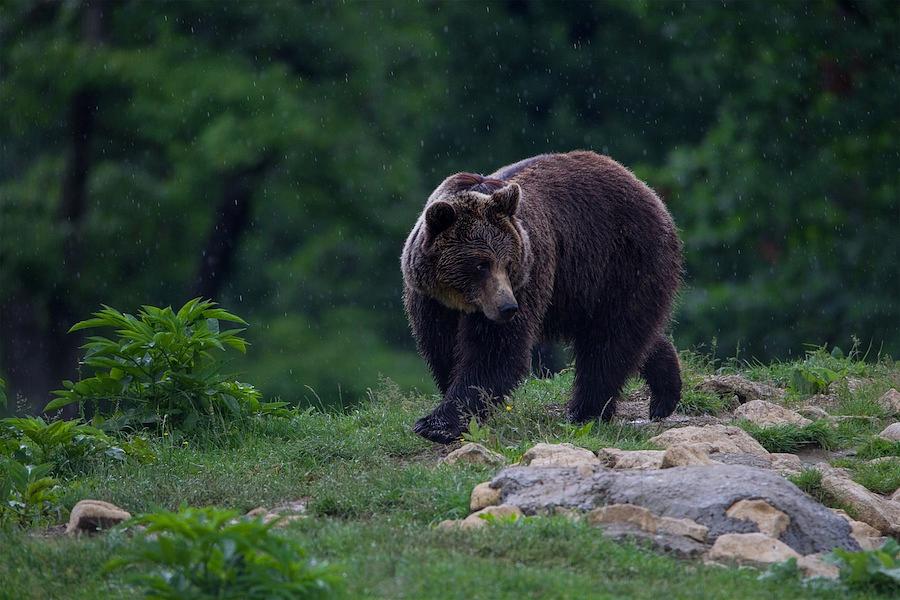
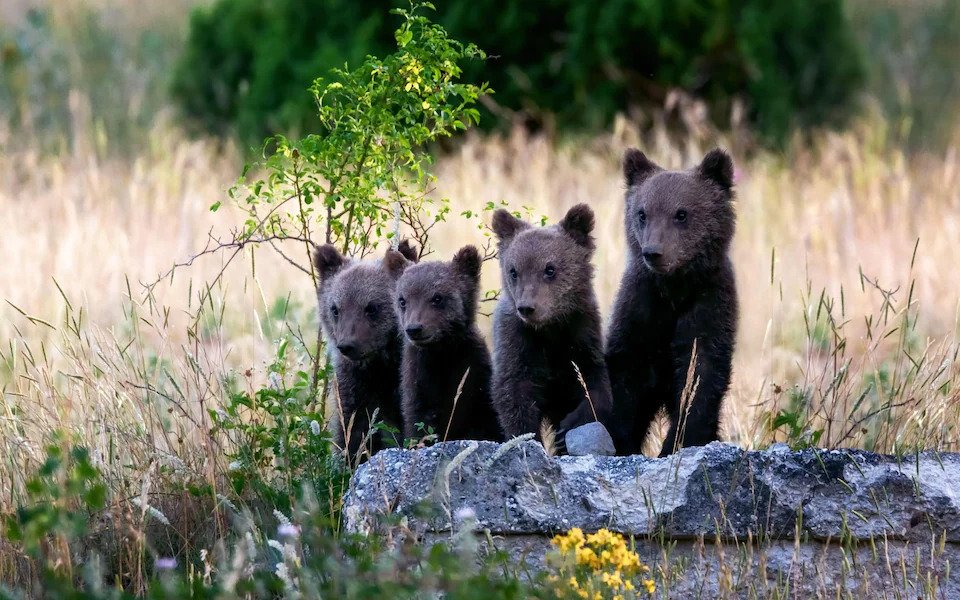
Most of the captive animals have been rehomed in nearby wildlife parks, but the zoo’s 11 tigers and two bears (one Asiatic black bear and one Malaysian sun bear) have proved harder to rehouse. The cost of feeding and caring for the large mammals is prohibitively expensive for wildlife venues across the country, all of which are struggling to feed their own animals following the loss of tourism revenue.
Intent on finding a solution, the zoo owners turned to Wildlife Friends Foundation Thailand (WFFT), a nonprofit animal rescue center located eight hours’ drive north of Phuket in Phetchaburi. Although WFFT has campaigned against practices at Phuket Zoo in the past, the organization has agreed to welcome all of the unhoused animals into its wildlife sanctuary, in what will be the largest single rescue of tigers in Thailand’s history.

Not a sustainable solution
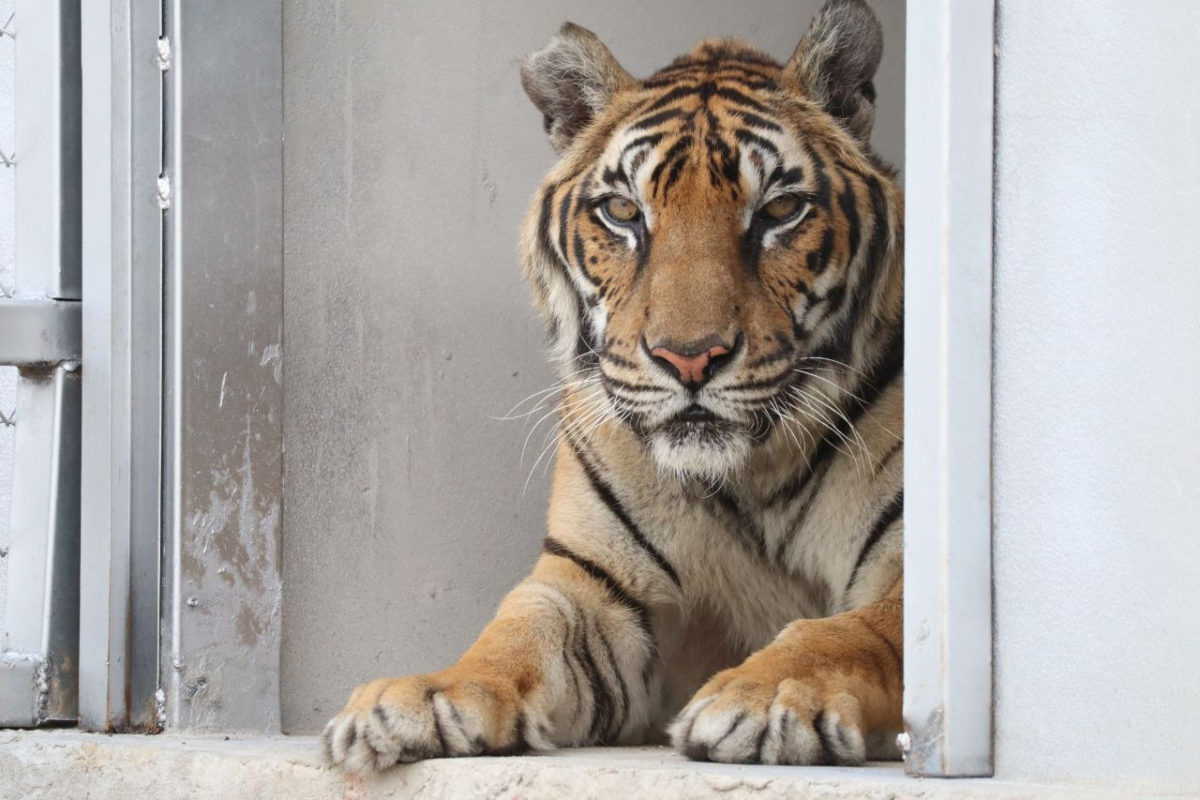
In stark contrast to their native forests, the captive tigers and bears have lived in small concrete enclosures at the zoo where onlookers have reported them tethered by short chains to photography platforms for hours on end, forced to pose for tourist selfies.
According to animal welfare experts, their plight is just one example of the risks to animals in the captive wildlife tourism industry, not only in Thailand, but the world over.
“Commercial facilities that have wild animals depending on income from visitors are all struggling economically and shutting down left and right,” Jan Schmidt-Burbach of World Animal Protection told Mongabay. “The ones really suffering from it are the animals [and] in many cases, there is no place for them to go.”
While the rescue of the Phuket Zoo tigers and bears to a reputable sanctuary is good news, Schmidt-Burbach said wildlife rescues cannot be viewed as a solution to captive facilities’ overdependence on tourism revenue. The problem is rife in Thailand, where more than 50 facilities around the country hold in excess of 2,000 tigers, and around 2,700 elephants are kept in tourism “camps.” All of these animals’ lives have been in jeopardy during the past two years.
“Sanctuaries can take care of a select group of animals, but if we’re talking about 2,000 tigers in Thailand, for example, there is no sanctuary that can take [that many],” Schmidt-Burbach said.

Launching a landmark rescue
Established in 2001, the WFFT rescue center spans 80 hectares (nearly 200 acres) and houses around 700 animals, including 30 bears, several dozen elephants, and six species of gibbon, along with macaques, lorises, langurs, wild cats, otters, birds and reptiles. Most of the animals were confiscated from the illegal wildlife trade, the pet industry, and the tourism and entertainment industry, and those that can be rehabilitated will be returned to the wild.
The center has received many requests for help from struggling wildlife venues over the past two years, but WFFT itself has also taken a hit from the pandemic because much of its funding comes from volunteer tourism. “We try to help as many as we can,” said WFFT director Edwin Wiek, “the fact is, though, that without financial support, we cannot help more.”
The organization has been fundraising during the past few months to sponsor the construction of new wildlife enclosures to house the rescued tigers and bears. Now, the new facilities are nearing completion. There are three large outdoor enclosures for the tigers, each with smaller conjoining spaces for surveillance and health checkups. The largest tiger enclosure is roughly 2 hectares (5 acres), and all are designed to replicate as natural an environment as possible. There are ponds and mud pools for the big cats to soak in, and trees, bamboo and climbing structures for shade and to stimulate natural behaviors like stalking and play. Read More…