Romania to Cull 500 Bears to Address Overpopulation Following Deadly Attack
-
 Loading...
 - Hansel Schmitt
- 31 Jul 2024
- 53 Views
- 0 Like
- 0 Comment
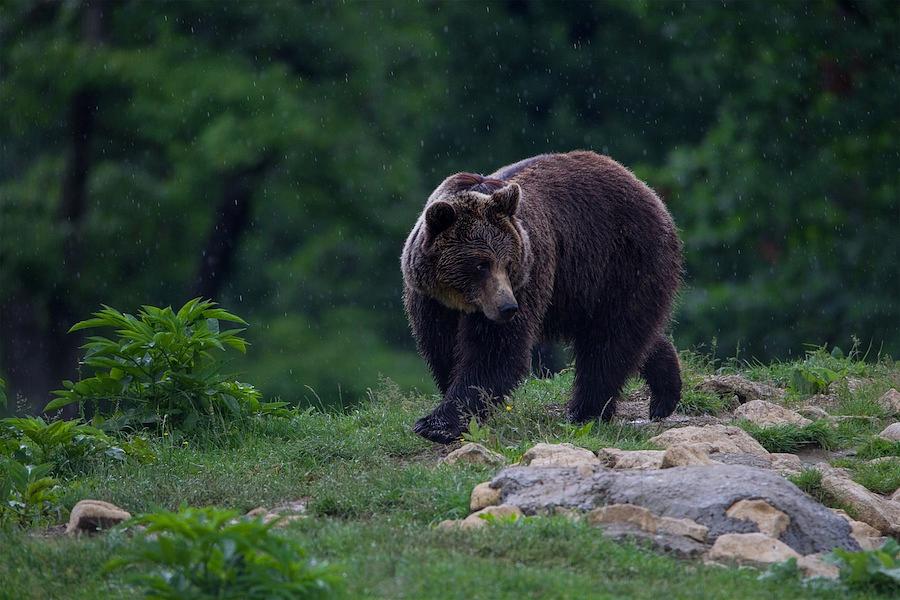
In response to a recent fatal bear attack, Romania's government has approved the culling of nearly 500 bears this year, more than doubling last year's total. This measure, intended to control the "overpopulation" of bears, follows an emergency parliamentary session called by Prime Minister Marcel Ciolacu after the death of a 19-year-old hiker in the Carpathian Mountains.
Legislative Action and Reaction
The new law, passed during an emergency meeting of parliament, authorizes the culling of 481 bears, a significant increase from the 220 bears culled in the previous year. During the session, lawmakers observed a moment of silence to honor the memory of the hiker who was killed.
Prime Minister Ciolacu, responding to public outcry over the attack, emphasized the need for immediate action to protect the public. The environment ministry reports that over the past 20 years, bears have killed 26 people and severely injured 274 others in Romania.
Romania boasts Europe’s largest population of brown bears outside Russia, with estimates suggesting up to 8,000 bears in the country. However, the decision to increase the culling has been met with significant opposition from environmental groups and wildlife experts.
Criticism from Environmental Groups
Environmental advocates argue that culling is not a long-term solution to bear-human conflicts. Calin Ardelean, a biologist with the World Wildlife Fund (WWF), criticized the new measure, stating that it "solves absolutely nothing." He emphasized the importance of preventive measures and interventions, rather than focusing solely on culling.
According to the WWF, the increase in culling will not address the root causes of the problem, such as urban sprawl encroaching on natural habitats and climate change affecting food sources. They argue that measures should include improving waste management, preventing people from feeding bears, and creating strategies to keep bears away from human communities.
The Way Forward
While the Romanian government has taken this drastic step in response to public safety concerns, the debate highlights the complex interplay between wildlife conservation and human safety. Moving forward, a balanced approach that includes both population control and preventive measures may be necessary to ensure the coexistence of humans and bears in Romania.
Environmental groups and wildlife experts continue to advocate for solutions that address the underlying issues contributing to bear-human conflicts, aiming for a sustainable and humane approach to managing Romania's bear population.