Lake Balaton Faces Serious Pollution Issues from Cocaine, Hormones, and Sunscreen
-
 Loading...
 - Anneliese Volker
- 31 Jul 2024
- 59 Views
- 0 Like
- 0 Comment
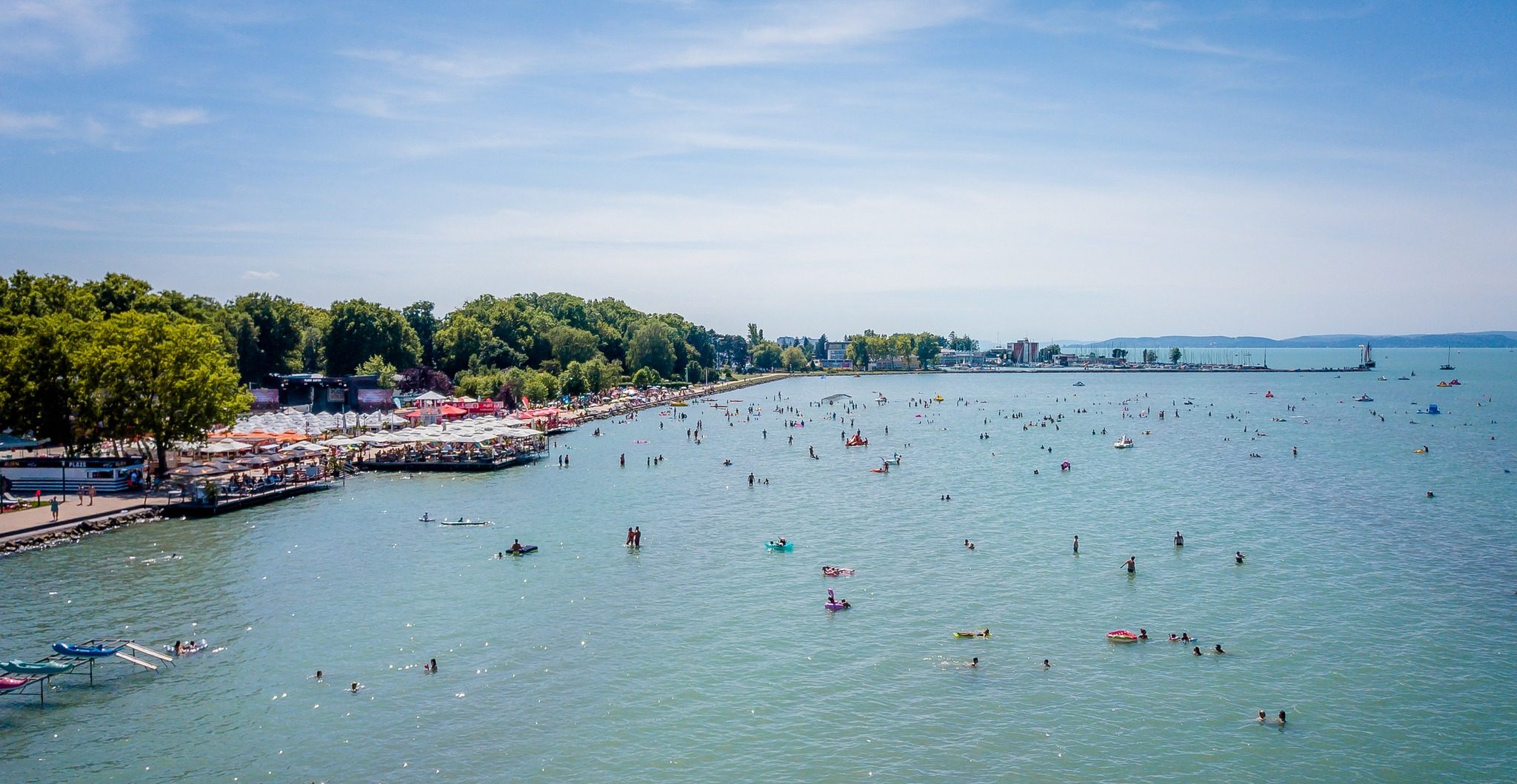
Lake Balaton, often referred to as the Hungarian Sea, is currently grappling with severe pollution issues that threaten its waters and wildlife. The largest lake in Central Europe, a popular destination for both Hungarian and international tourists, is now polluted with residues of sunscreen, hormones, and even cocaine derivatives.
Recent Conference
The HUN-REN Balaton Limnological Research Institute hosted a conference titled “Honestly about Lake Balaton,” which focused on pollutants that significantly disrupt the physiological processes of aquatic organisms, posing a threat to the entire ecosystem.
Zsolt Pirger, the head of the research institute, highlighted that the pollutants found in the lake's water could be the plot elements of a crime novel. The research revealed alarming data on pollution levels across different seasons, affecting the lake’s biodiversity and health.
Impact on Wildlife
- Water Fleas: Exposure to UV filters led to a doubling in their size.
- Snail Embryos: Hormone contamination caused premature hatching.
The polluted water, partially purified but still contaminated, originates from the Zala River and nearby bathing areas. This includes an estimated 2.5 tons of sunscreen that enters the lake daily.
Éva Molnár, a member of the research group, pointed out that both treated sewage and chemical substances washed off from bathers contribute significantly to the pollution. Particularly disturbing findings came from Zamárdi, a popular location for summer music festivals, where cocaine and its decomposition products were detected in water samples.
Urgent Need for Action
The conference concluded with a consensus that urgent measures are needed to mitigate the pollution and protect Lake Balaton’s wildlife. Immediate actions are crucial to ensure that future generations can continue to enjoy the lake's natural beauty and recreational opportunities.
Gábor Molnár, director of the Balaton Development Council, emphasized that addressing this pollution is not only an environmental issue but also a moral one. It is the responsibility of everyone to respect and protect this national treasure.
The findings underscore the urgent need for collective action to address the pollution crisis at Lake Balaton. Enhanced environmental regulations, better waste management, and public awareness campaigns are essential steps towards safeguarding the lake's ecosystem. By taking these measures, we can ensure the preservation of Lake Balaton for future generations while maintaining its status as a cherished holiday destination.