Tips For Black And White Photography
-
 Loading...
 - Noelle Clarke
- 10 Mar 2022
- 451 Views
- 0 Like
- 0 Comment
Black & white. Is it a fine art medium that offers endless scope for creative self-expression, or irrelevant and old-fashioned? For many years, the latter view tended to apply, especially once colour film became affordable back in the 1970s. Why take photographs in black & white when colour is more realistic? The critics had a point, but fans of the black & white image were quick to point out that it’s the very fact they’re not realistic that gives them their appeal.
As wonderful as colour photography is, it can also be too familiar. It shows us what things look like and leaves us feeling reassured and comfortable. But in art, reality isn’t always the best solution because it doesn’t encourage us to look beyond familiarity and appreciate an image for any reason other than what it depicts. As soon as you remove colour from an image, however, everything changes because it no longer represents reality.
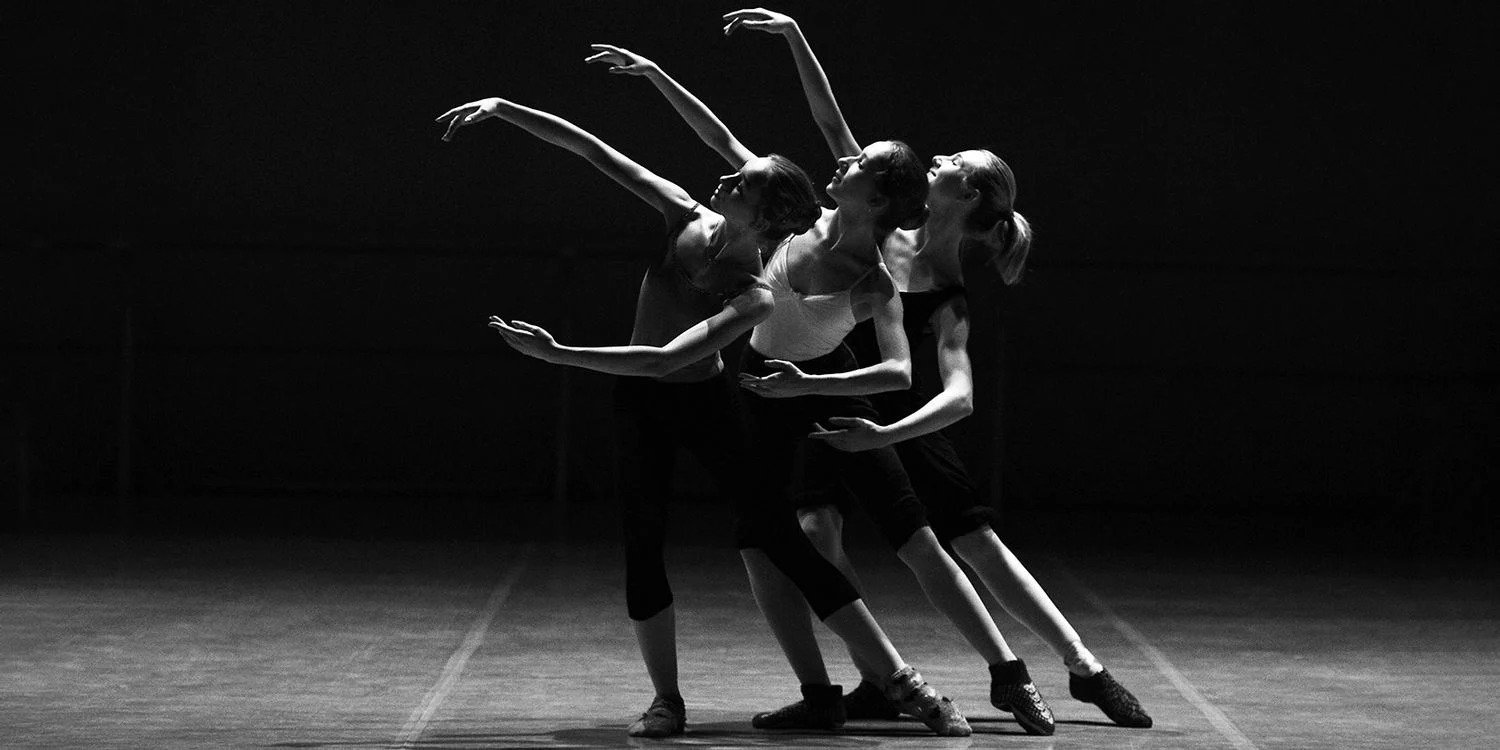
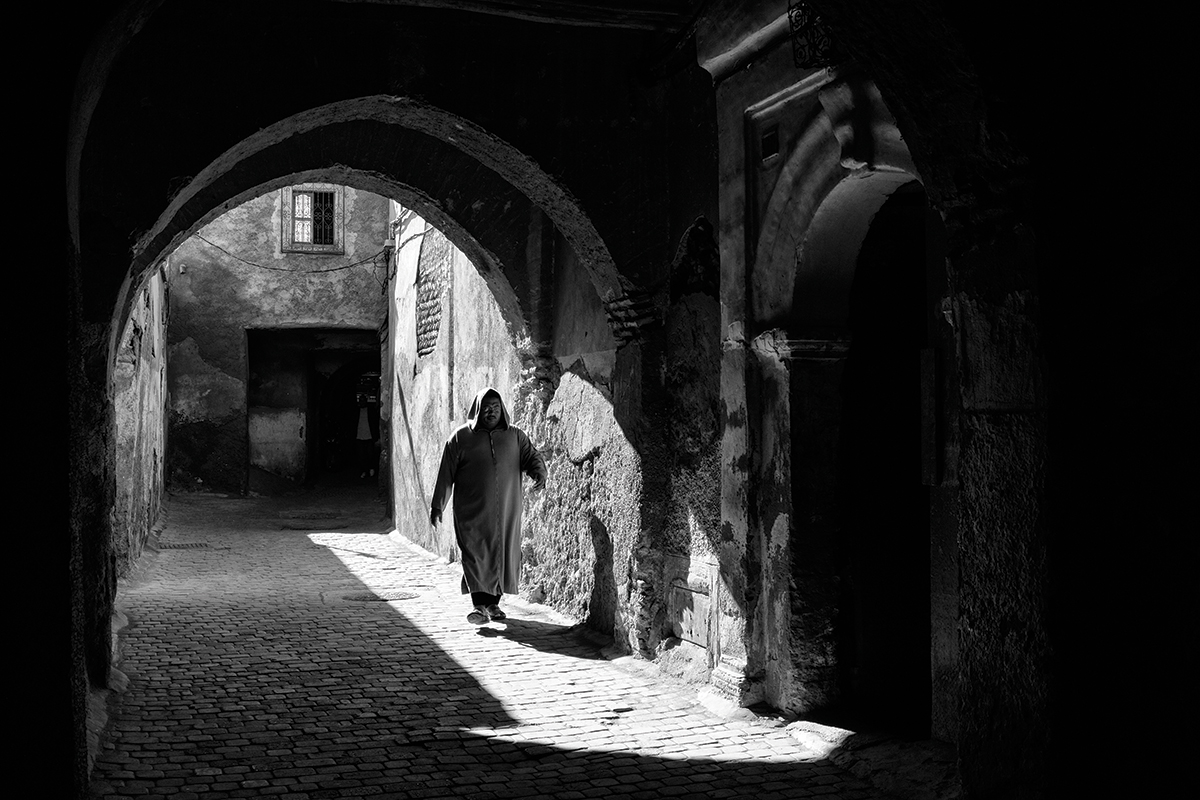
Black & white images are simpler, more dramatic, more evocative and more atmospheric than colour. Our emotional response to a colour landscape image is often rendered superficial by familiarity, but comes from a much deeper place when we take that colour away. Light, shade, texture and shape take centre stage and what’s actually in the scene becomes almost irrelevant – it’s the impact and effect the image has on you that counts.
Thanks to digital technology, black & white photography is more accessible and more practical than ever before, mainly because the need for a darkroom and smelly chemicals has been removed from the equation. Now you can create stunning black & white images just by sitting at your computer, day or night, instead of taking over the family bathroom and leaving wet prints dripping all over the carpet!
Is digital black & white easier? In some respects, yes. You can make changes to an image then cancel them if you don’t like the end result. You can correct mistakes quickly and effectively and you’re more likely to take creative risks because there’s no cost implication if something goes wrong. But to produce stunning black & white images digitally you still need technical knowledge and skill, as well as a creative eye, inspiration and enthusiasm. Hopefully, this month’s top tips will put you on the road to success.
Be bold

When you convert colour images to black & white, do it with conviction. The clue’s in the name! Don’t be scared of pure whites and proper blacks. Boost contrast, add impact and drama, otherwise you’ll end up with grey, dull and boring images, and there are enough of those in existence already!
The best subjects for black & white

Any subject that doesn’t rely on colour for its appeal will work in black & white. Landscapes work well because by stripping away colour you get back to the bare bones of the scene – the textures and shapes, the play of light and shadow. Portraits also tend to be more powerful in mono because there’s no colour to distract. The same applies to architecture, details and patterns, still-life, nude studies and flower portraits.
Make the most of bad weather

How many times have you gone out with a camera, intent on shooting some great images, only to return home empty handed because the weather turned foul? Well, if you think black & white that will no longer be a problem because ‘bad’ weather is perfectly suited to it. Dull, grey days produce great conditions for mono as the light’s soft and moody. Even rain needn’t stop play if you carry a brolly to keep your camera dry. Read More…