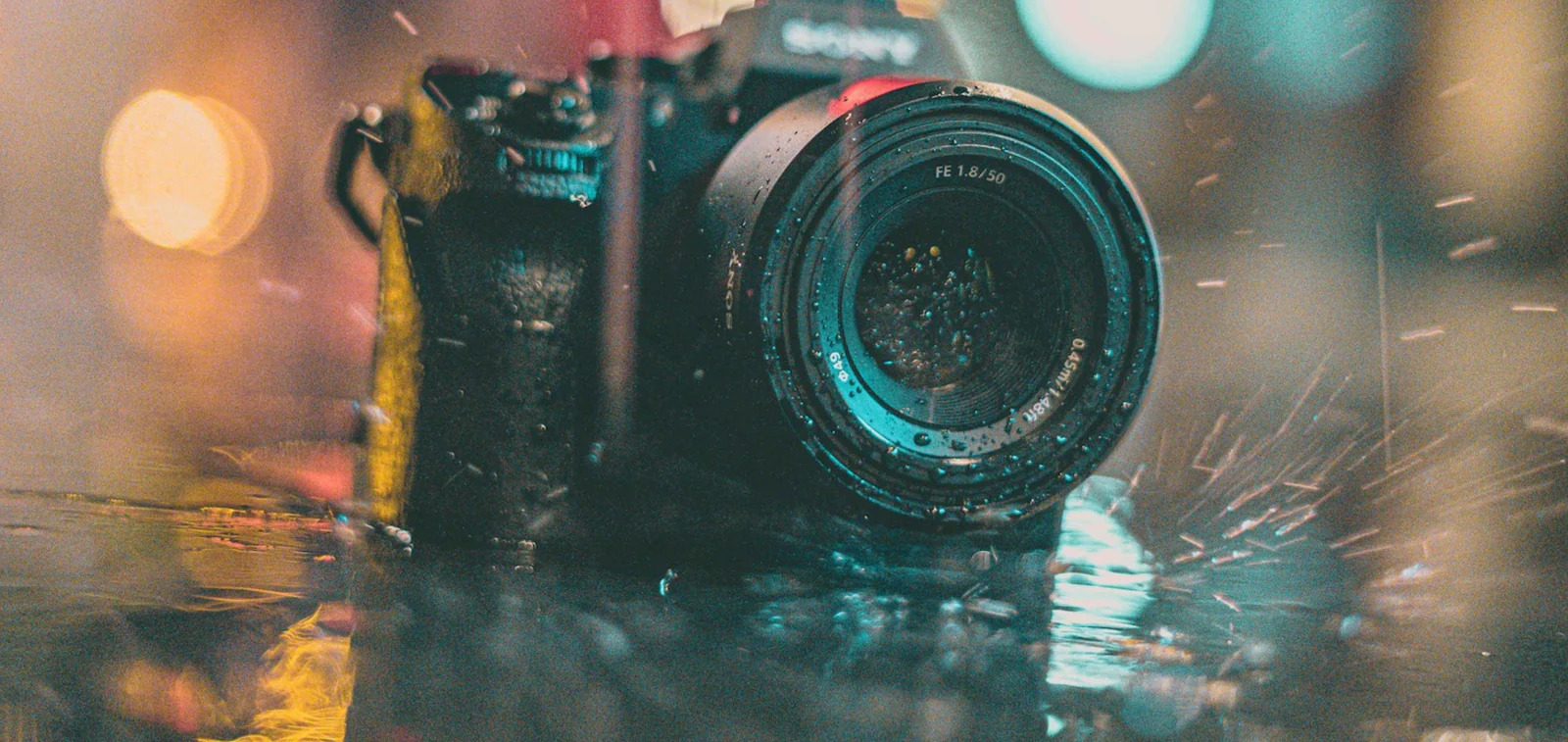
Tips for Rain Photography: Capturing the Magic of Raindrops
-
 Loading...
 - Shaban Njau
- 10 May 2023
- 63 Views
- 0 Like
- 0 Comment
Discover valuable tips for rain photography that will help you capture the enchanting beauty of raindrops. Explore expert techniques, gear recommendations, and composition ideas to enhance your rainy day photography skills. Don't miss out on these valuable insights to create stunning images in the rain.
Rain has a way of transforming the world around us, creating a captivating atmosphere that photographers can't resist. The trickling raindrops, glistening surfaces, and moody ambiance provide a unique opportunity to capture breathtaking photographs. In this comprehensive guide, we will delve into the realm of rain photography, offering you valuable tips and tricks to master this art form. Whether you're a seasoned professional or an amateur enthusiast, these insights will help you elevate your rain photography game.
1. Embrace the Rainy Weather
When it comes to rain photography, the first and most crucial tip is to embrace the rainy weather itself. Rather than waiting for a sunny day, step outside and explore the photographic potential of rain. Raindrops can add a magical touch to your compositions, creating interesting reflections and enhancing colors. So, don't shy away from a little drizzle; instead, seize the opportunity to capture unique moments.
2. Protect Your Gear
Before venturing out into the rain, it's essential to ensure that your photography gear stays safe and dry. Invest in a reliable camera rain cover or waterproof camera bag to shield your equipment from moisture. Additionally, pack some microfiber cloths or lens wipes to keep your lenses clean and clear of water droplets. Remember, a well-protected camera is the key to worry-free rain photography.
3. Seek Out Puddles and Reflective Surfaces
Puddles and reflective surfaces are your allies when it comes to rain photography. These elements offer a fantastic opportunity to capture captivating reflections. Look for puddles on the ground, wet streets, or even rain-soaked windows to include mesmerizing reflections in your compositions. Experiment with different angles and perspectives to create unique and visually striking images.
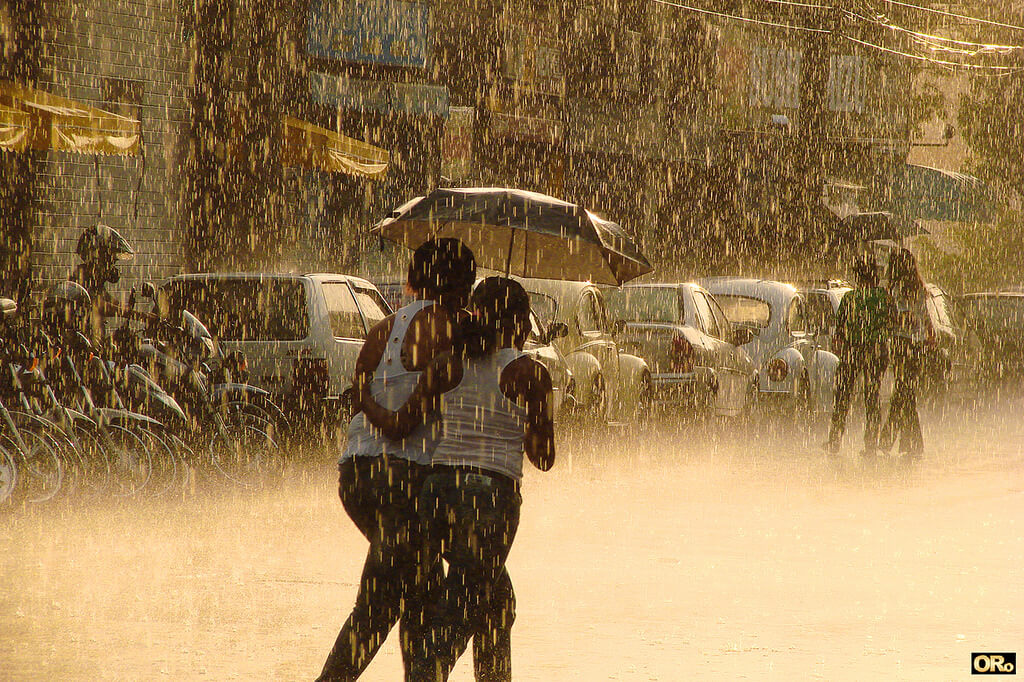
4. Create Depth with Rainy Backgrounds
Rainy backgrounds can add depth and atmosphere to your photographs. Seek out interesting backgrounds, such as buildings, trees, or landscapes, that are enveloped in rain. The rain acts as a natural diffuser, adding a softness to the background and enhancing the overall mood of your images. By incorporating these rainy backgrounds into your compositions, you can create a sense of depth and dimension.
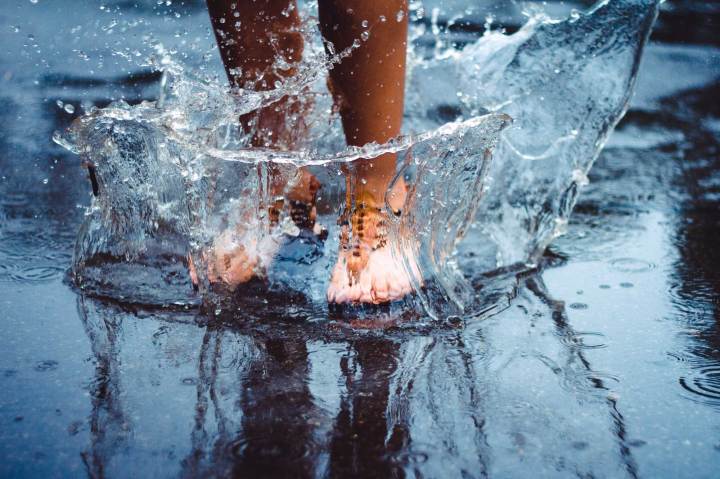
5. Experiment with Shutter Speed
Shutter speed plays a crucial role in rain photography, allowing you to capture raindrops in different ways. To freeze raindrops in mid-air, opt for a faster shutter speed (1/500th of a second or faster). This will help you capture individual raindrops with sharpness and clarity. On the other hand, if you wish to create a dreamy, ethereal effect, try using a slower shutter speed (1/30th of a second or slower). This will result in motion blur, giving your images a sense of movement and dynamism.
6. Utilize a Lens Hood
Using a lens hood is highly recommended in rainy conditions. It helps prevent raindrops from directly hitting the front element of your lens, reducing the chances of water droplets interfering with your shots. A lens hood also helps enhance contrast and reduce lens flare, resulting in crisper and more vibrant images. Remember to keep the hood properly attached throughout your rainy day photography sessions.

7. Incorporate Colorful Umbrellas
One of the easiest ways to add a pop of color to your rain photographs is by including colorful umbrellas.
8. Play with Composition
Composition plays a vital role in rain photography, as it helps create visually appealing and engaging images. Experiment with different compositional techniques to make your rain photographs stand out. Consider using the rule of thirds, leading lines, or framing elements within your frame to add interest and draw the viewer's eye. Don't be afraid to get creative and try unconventional angles or perspectives to capture the essence of the rain.
9. Capture Emotion and Mood
Rain has the power to evoke a range of emotions and create a specific mood in your photographs. Leverage this atmospheric quality to capture images that tell a story or convey a particular feeling. Look for opportunities to capture people in the rain, showcasing their emotions or interactions with the weather. Whether it's a couple sharing an umbrella or a child gleefully splashing in puddles, capturing these candid moments can add depth and authenticity to your rain photography.
10. Use Natural Light to Your Advantage
Lighting is a crucial element in any form of photography, and rain photography is no exception. The diffused light during rainy weather can produce soft, even lighting conditions, which are ideal for capturing details and textures. Take advantage of this natural light to enhance the mood and atmosphere of your images. Be mindful of the direction and quality of light, as it can create beautiful highlights, shadows, and reflections on rain-soaked subjects.
11. Shoot in Burst Mode
Rain can be unpredictable, and capturing the perfect moment may require some quick reflexes. Shooting in burst mode can increase your chances of capturing that precise moment when raindrops fall in a visually pleasing pattern or when a subject's expression is just right. By capturing a rapid sequence of shots, you can select the best frame later during post-processing.
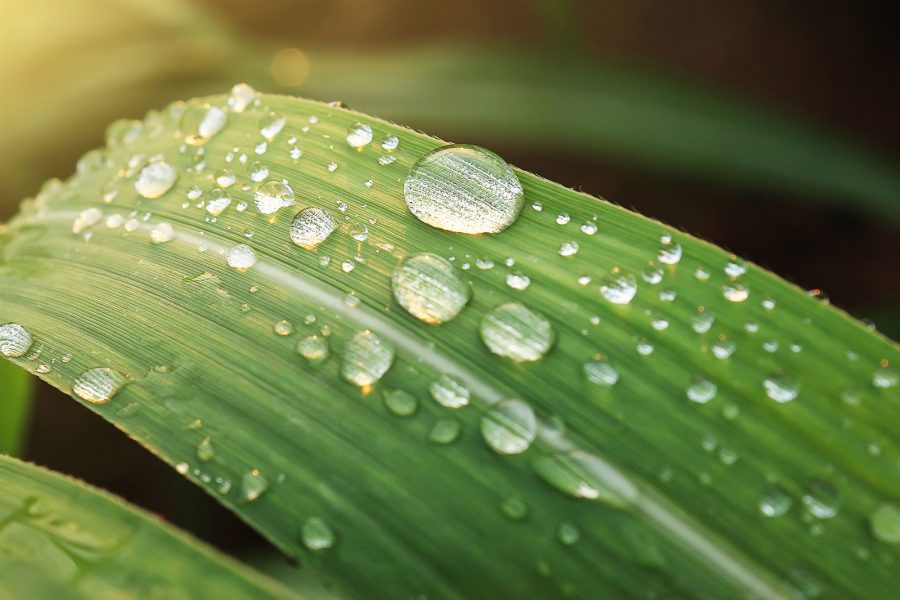
12. Experiment with Macro Photography
Raindrops present an excellent opportunity for macro photography enthusiasts. The intricate details and unique reflections on rain-soaked surfaces can be captured beautifully with a macro lens. Get up close and personal with raindrops on leaves, flowers, or other objects, and explore the mesmerizing world that unfolds within each tiny droplet. Macro rain photography allows you to discover hidden patterns and textures that are otherwise invisible to the naked eye.
13. Look for Symmetry and Patterns
The rain can create fascinating symmetrical patterns that can be visually striking when captured in a photograph. Keep an eye out for symmetrical elements, such as buildings, bridges, or even umbrellas, and use them to create balanced compositions. Reflections in puddles or the repetitive falling of raindrops can also contribute to captivating patterns in your images. Don't be afraid to experiment and explore the beauty of symmetry and patterns in rainy conditions.
14. Shoot During Golden Hour or Twilight
While rain photography can be rewarding at any time of the day, shooting during the golden hour or twilight can add an extra touch of magic to your images. The soft, warm light during these periods can beautifully illuminate rain-soaked scenes, creating a dreamy and ethereal atmosphere. Plan your rain photography sessions accordingly to take advantage of these enchanting lighting conditions.
15. Focus on Details and Textures
Rain has a way of highlighting details and textures that might go unnoticed in dry conditions. Utilize this opportunity to focus on the small elements that define the rainy atmosphere. Capture the texture of rain-soaked surfaces, the glistening of raindrops on petals, or the ripples in puddles. By emphasizing these details, you can create visually captivating images that transport viewers into the rainy world you've captured.
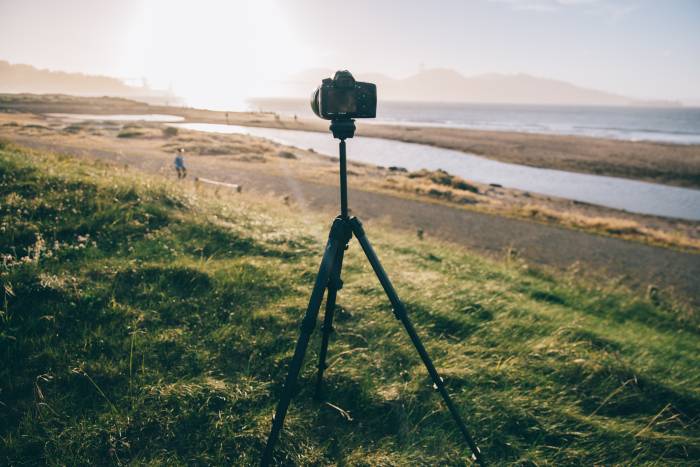
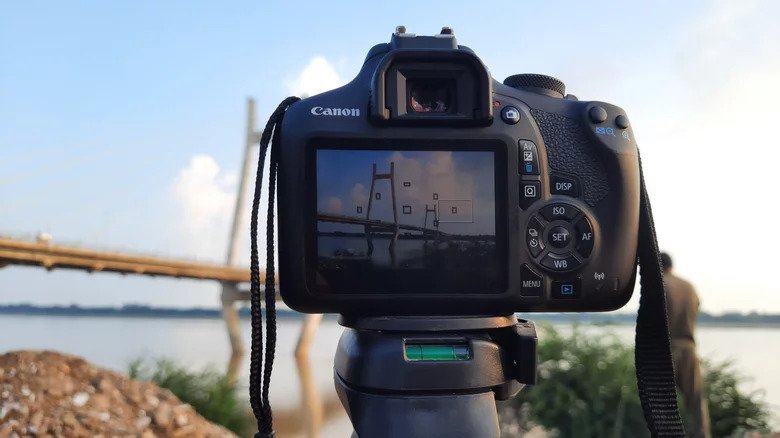
16. Use a Tripod for Stability
In rainy conditions, maintaining stability can be challenging due to wet surfaces and potential wind.
17. Frequently Asked Questions (FAQs)
Here are some frequently asked questions about rain photography:
Q1: Can I use my regular camera in the rain?
Yes, you can use your regular camera in the rain. However, it is important to protect your gear with a rain cover or waterproof bag to prevent water damage.
Q2: How can I prevent my lens from fogging up in the rain?
To prevent your lens from fogging up, make sure your camera and lens are acclimated to the ambient temperature before going out into the rain. Additionally, using an anti-fog lens cleaner or placing a silica gel packet in your camera bag can help absorb moisture and prevent fogging.
Q3: Are there specific camera settings I should use for rain photography?
The camera settings for rain photography can vary depending on the desired effect. However, it is generally recommended to use a fast shutter speed to freeze raindrops in mid-air and a moderate aperture to ensure a good depth of field. Experimenting with different settings will help you achieve the desired results.
Q4: How do I capture raindrops in motion?
To capture raindrops in motion, use a faster shutter speed to freeze the movement. Set your camera to continuous shooting mode and try different angles and compositions to capture the falling raindrops.
Q5: Should I use a polarizing filter for rain photography?
Using a polarizing filter can be beneficial for rain photography as it helps reduce reflections and enhance colors. It can also help cut through the haze or mist that may be present in rainy conditions.
Q6: How can I make the raindrops more visible in my photographs?
To make raindrops more visible in your photographs, consider using a backlighting technique. Position your subject against a light source, such as the sun or a street lamp, and adjust your exposure settings to capture the raindrops as they catch the light.