Interpreting the Language of Photography
-
 Loading...
 - Mei Xing Leung
- 10 May 2023
- 61 Views
- 0 Like
- 0 Comment
Photography is a unique art form that has the power to capture moments in time and convey messages to viewers. However, decoding the language of photography can be a daunting task for those who are unfamiliar with the techniques and methods used by photographers. This guide will provide you with the knowledge and tools you need to interpret the language of photography and unlock its hidden messages.
Interpreting the Language of Photography
Photographs are composed of various elements that work together to create meaning and convey messages to viewers. Understanding these elements is key to interpreting the language of photography.
Light
Light is the foundation of photography. It is the tool that photographers use to create their images. The way light falls on a subject can dramatically alter the mood and tone of a photograph. By understanding how light works, you can begin to interpret the messages hidden within a photograph.
Composition
Composition refers to the way elements are arranged within a photograph. The composition of a photograph can be used to direct the viewer's eye, create a sense of balance or imbalance, and convey messages. Understanding the principles of composition is crucial to interpreting the language of photography.
Color
Color is another important element of photography. The colors used in a photograph can have a significant impact on its mood and tone. Colors can also be used to convey messages and create contrast within a photograph.
Texture
Texture refers to the surface quality of objects within a photograph. The texture of an object can be used to create a sense of depth and dimensionality within a photograph. Texture can also be used to convey messages and create contrast within a photograph.
Subject Matter
The subject matter of a photograph is what the photograph is about. Understanding the subject matter is crucial to interpreting the language of photography. By analyzing the subject matter of a photograph, you can begin to uncover the messages hidden within it.
Context
Context refers to the circumstances surrounding the creation of a photograph. Understanding the context in which a photograph was created can provide valuable insight into its meaning and the messages it conveys.
The Language of Photography in Practice
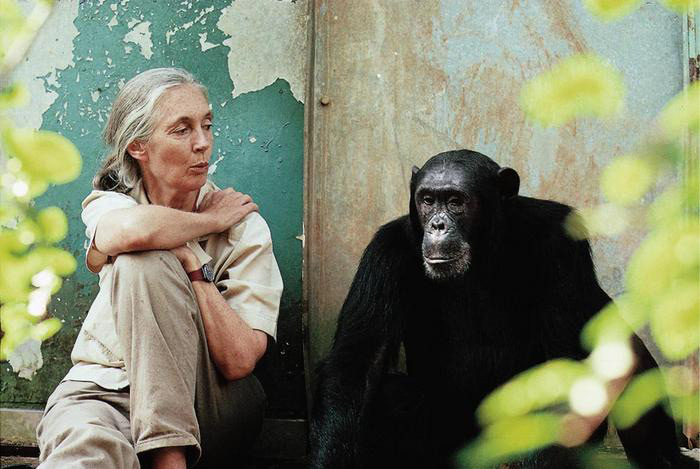
Now that we've explored the elements that make up the language of photography, let's put our knowledge into practice. In this section, we will analyze a photograph and interpret its language.
Frequently Asked Questions (FAQs)
Q: What is the language of photography?
Ans: The language of photography refers to the visual elements that make up a photograph, such as light, composition, color, texture, subject matter, and context.
Q: Why is it important to interpret the language of photography?
Ans: Interpreting the language of photography can help you understand the messages and meanings hidden within photographs, and deepen your appreciation of this art form.
Q: What are some common techniques used in photography?
Ans: Common techniques used in photography include framing, perspective, depth of field, exposure, and shutter speed.
Q: How do I improve my photography skills?
Ans: Improving your photography skills takes practice and dedication. Some ways to improve include studying the work of other photographers, experimenting with different techniques, and seeking feedback from others.
Q: Can photography be used for social and political commentary?
Ans: Yes, photography has a long history of being used for social and political commentary. Photographs can be powerful tools for raising awareness and sparking change.
Q: How can I become a professional photographer?
Ans: Becoming a professional photographer takes time and effort. Some steps you can take include building a strong portfolio, networking with other photographers, and learning business skills.