What You Need to Know About Aerial Photography: Capturing the World from Above
-
 Loading...
 - Amancio Arnoll
- 10 May 2023
- 56 Views
- 0 Like
- 0 Comment
Are you looking to capture stunning aerial shots of landscapes, architecture, or events? Aerial photography may be the answer you're looking for! From hobbyists to professionals, aerial photography is becoming increasingly popular as drone technology continues to advance. But before you take to the skies, there are a few things you need to know about aerial photography to get the most out of your experience.
Aerial photography is the practice of taking photographs from an elevated position using various methods such as drones, helicopters, airplanes, or balloons. Aerial photography has been used for over a century for mapping, military reconnaissance, and scientific research. Today, aerial photography has become accessible to anyone with a drone or an airplane ticket, allowing photographers to capture breathtaking views of landscapes, architecture, and events from above.
What You Need to Know About Aerial Photography
Here are some important things to keep in mind before taking your first aerial photo:
1. Know the Regulations
Before flying a drone or any other aerial vehicle, it is crucial to familiarize yourself with the local regulations regarding aerial photography. In many countries, drones weighing over a certain limit require registration and a license to fly. Additionally, there may be restrictions on where and when you can fly your drone. Be sure to check the regulations in your area before taking off.
2. Invest in Quality Equipment
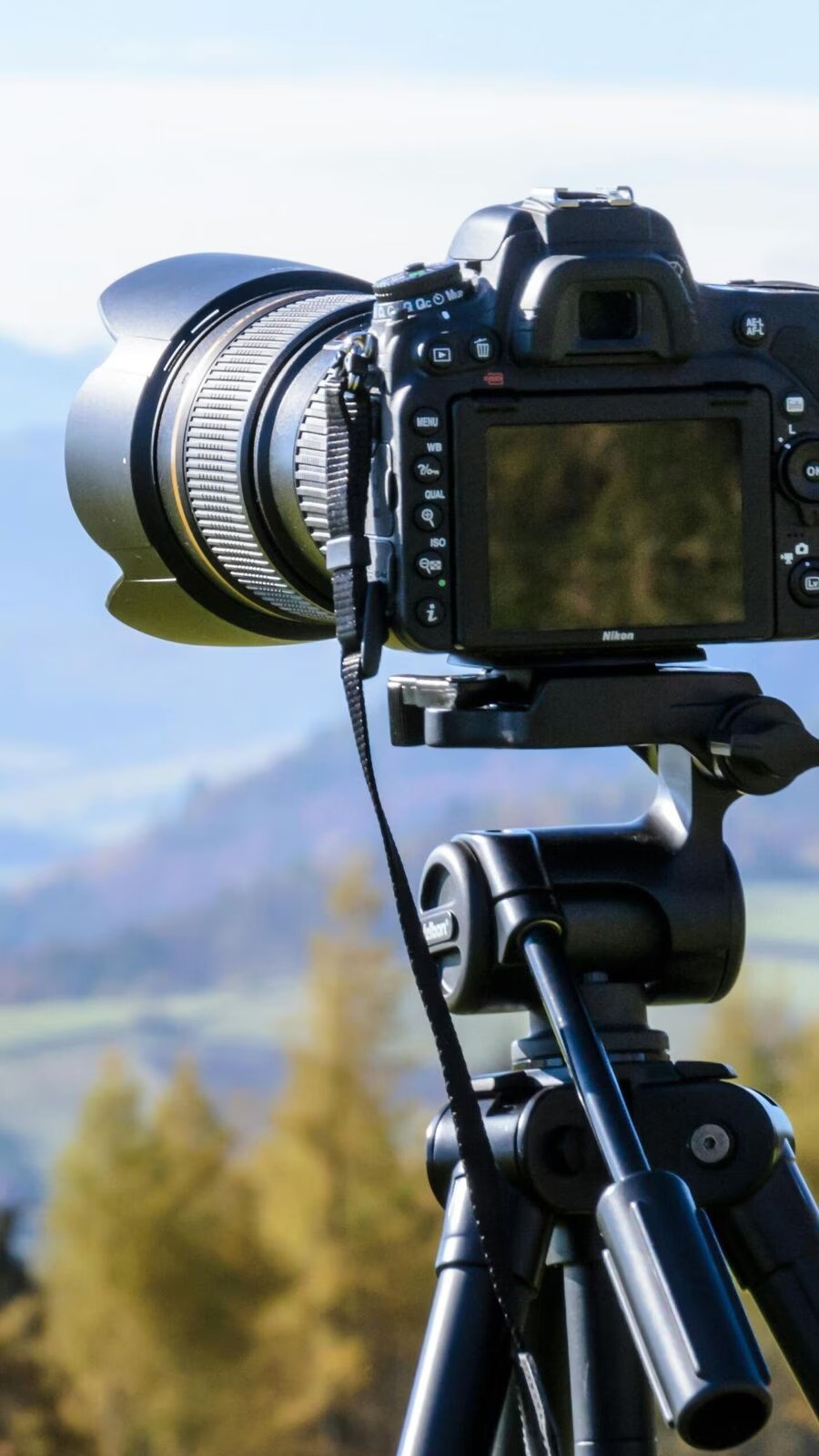
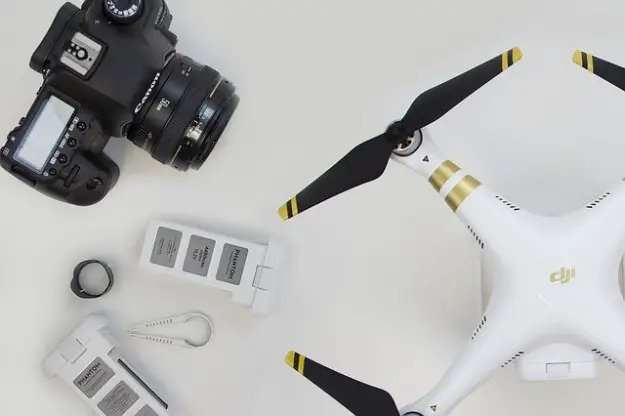
To capture high-quality aerial photos, it is important to invest in quality equipment. This includes a good camera, a sturdy drone or aircraft, and spare batteries. Consider purchasing a drone with a built-in camera or attaching a high-quality camera to your drone. Having spare batteries on hand is also essential for longer flights.
3. Plan Your Flight
Before flying, it is important to plan your flight to ensure safety and efficiency. Check the weather conditions and avoid flying in strong winds or rain. Plan your route and altitude to avoid any obstacles such as buildings, trees, or power lines. Always keep an eye on your drone's battery life and return to home point before the battery runs out.
4. Master the Settings
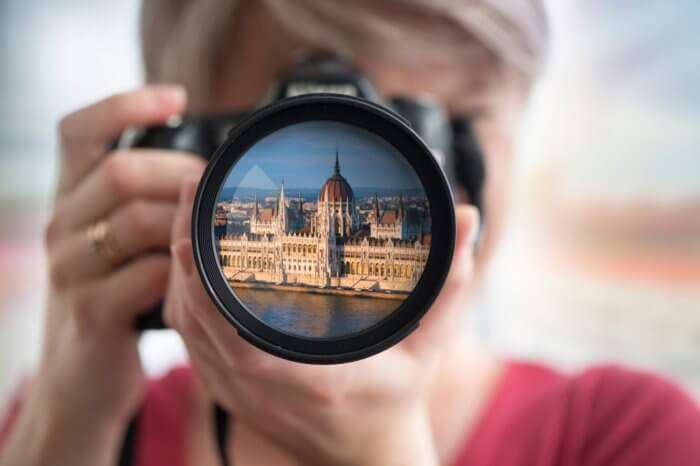
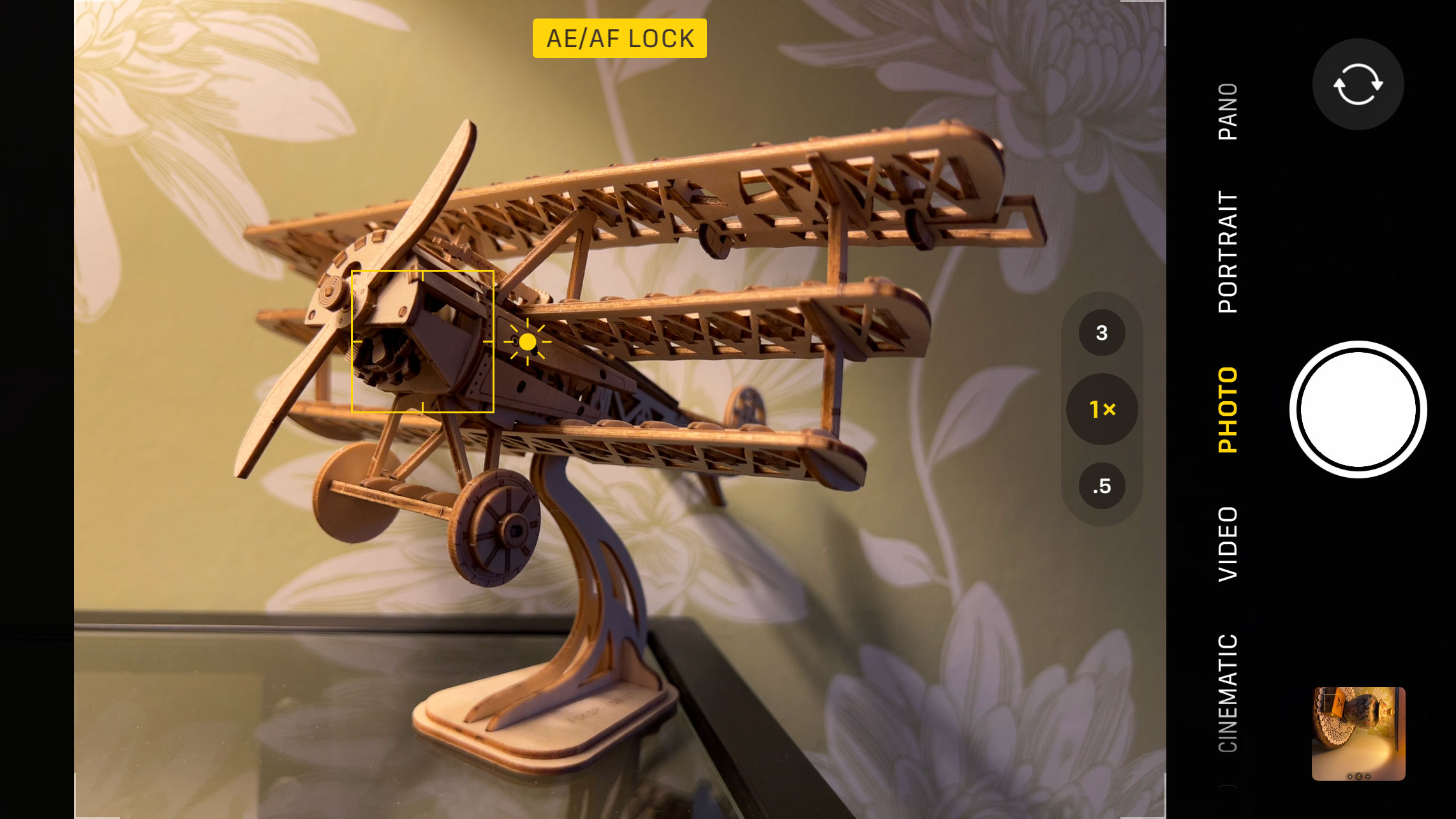
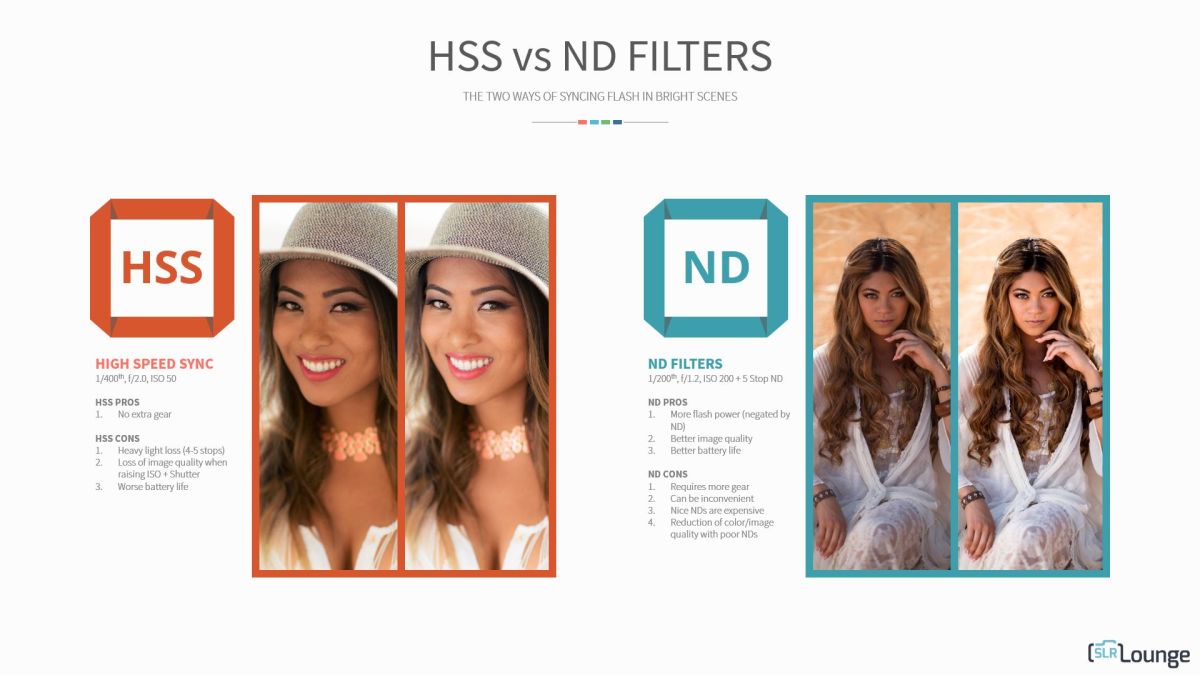
Understanding the camera settings and how to adjust them is crucial for capturing the best aerial photos. Experiment with different shutter speeds, ISO, and aperture settings to achieve the desired effect. Additionally, use manual focus to ensure that your subject is in focus.
5. Practice Makes Perfect
Aerial photography takes practice, so don't be discouraged if your first attempts don't turn out as expected. Experiment with different angles, heights, and lighting conditions to find your style. Consider taking a photography course or workshop to improve your skills and learn from other photographers.
FAQs
Q1. How high can drones fly for aerial photography?
Drones can fly up to 400 feet (122 meters) in the United States for recreational use. However, some drones are capable of flying higher with special permission and permits.
Q2. Do I need a special camera for aerial photography?
While some drones come with a built-in camera, you can also attach a high-quality camera to your drone or aircraft. It is important to choose a camera with a wide-angle lens to capture the best aerial photos.
Q3. How do I get smooth video footage from my drone?
To achieve smooth video footage, it is important to use a gimbal or stabilizer to eliminate any camera shake or vibrations. Additionally, fly the drone slowly and smoothly, and avoid sudden movements.
Q4. Can I fly my drone anywhere for aerial photography?
No, there may be restrictions on where and when you can fly your drone for aerial photography. Be sure to check the regulations in your area before flying.