Tips for Taking Beautiful Bird Photos
-
 Loading...
 - Xavier Leah
- 07 Jun 2023
- 53 Views
- 0 Like
- 0 Comment
Are you an aspiring bird photographer looking to capture stunning images of these magnificent creatures? Taking beautiful bird photos requires a combination of patience, skill, and knowledge. In this article, we will provide you with a comprehensive guide on how to improve your bird photography skills and capture breathtaking images of our feathered friends. Whether you're a beginner or an experienced photographer, these tips will help you elevate your bird photography game to the next level.
Understanding Your Subjects: Birds
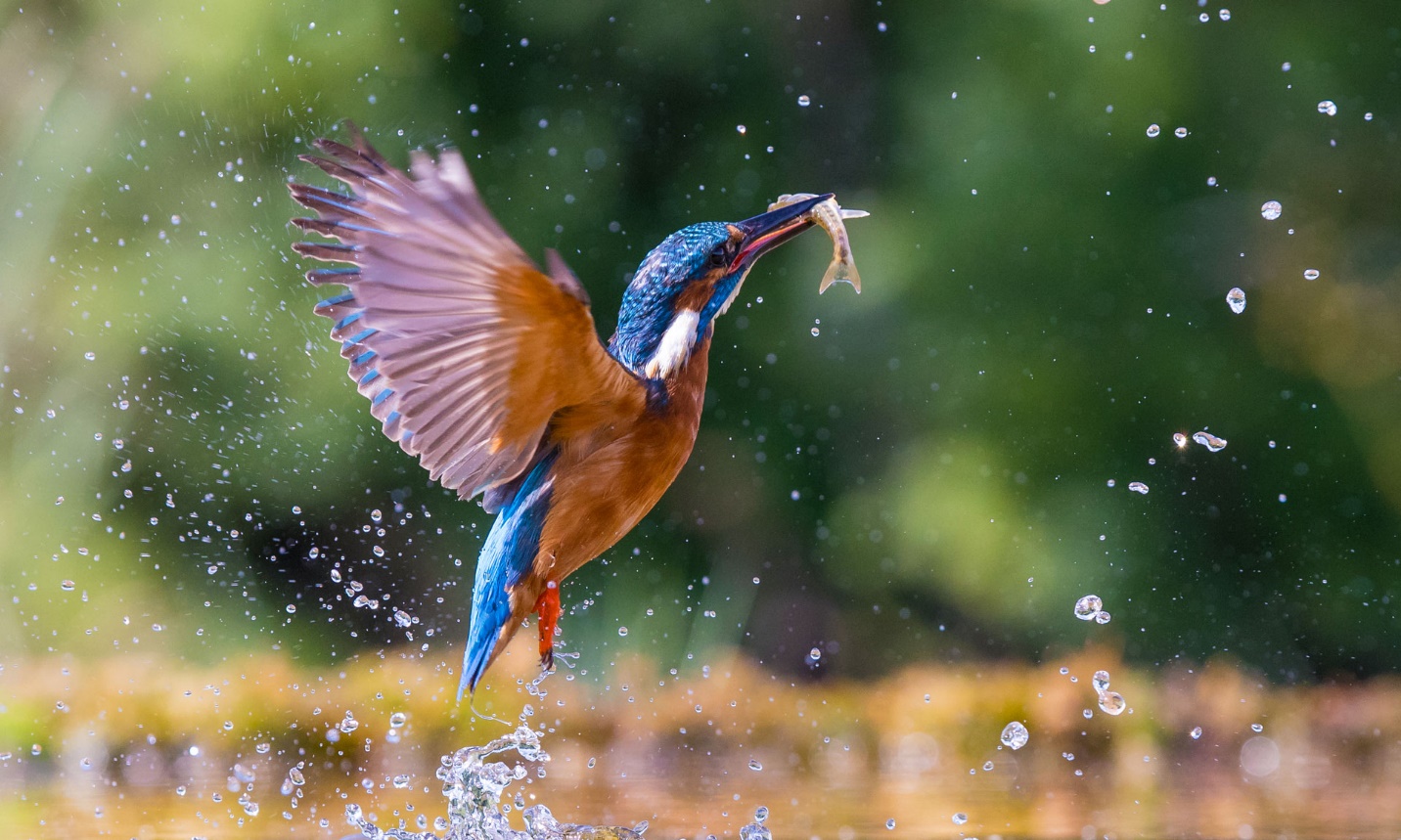
Before we dive into the technical aspects of bird photography, it's important to understand the behavior and characteristics of the subjects you'll be capturing through your lens. By familiarizing yourself with different bird species, their habitats, and their behavior patterns, you can anticipate their movements and position yourself for the perfect shot.
Identifying Bird Species
To enhance your bird photography skills, it's crucial to be able to identify different bird species. By learning about their physical characteristics, unique features, and preferred habitats, you can tailor your approach to capturing each species in the best possible way. Check out websites that offer comprehensive resources for bird identification, including detailed descriptions and high-quality photographs.
Studying Bird Behavior
Birds exhibit a wide range of behaviors, from feeding and preening to mating and nesting. By observing and studying their behavior, you can predict their movements and anticipate photographic opportunities. Pay attention to their flight patterns, foraging techniques, and social interactions. This knowledge will enable you to capture unique and captivating moments in your bird photographs.
Essential Gear for Bird Photography
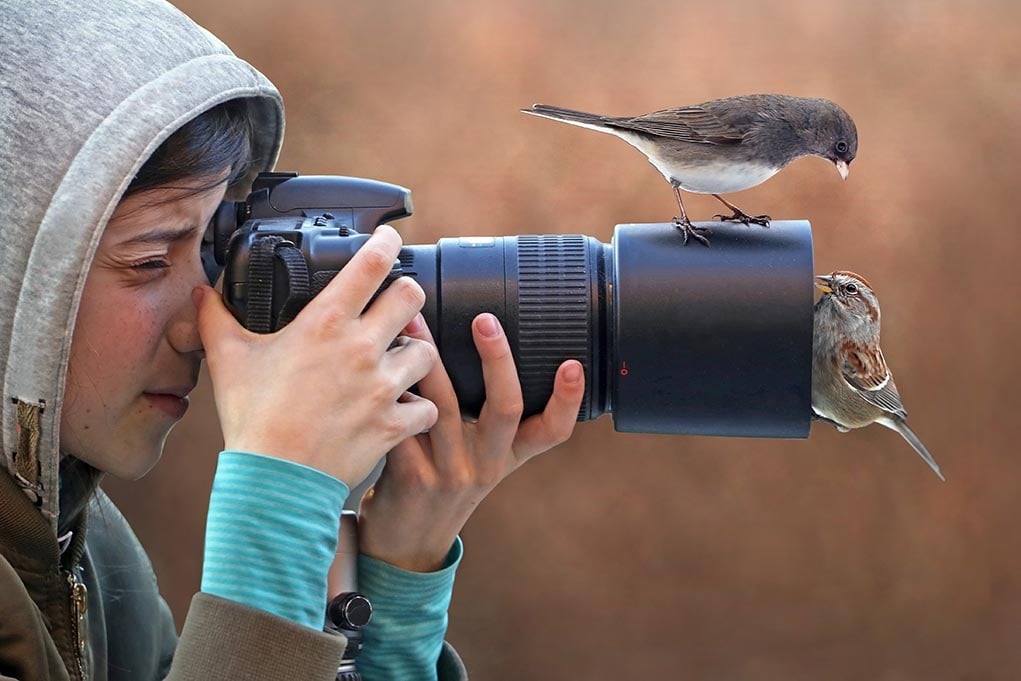
Having the right equipment is crucial for capturing stunning bird photos. Here are some essential gear recommendations to enhance your bird photography experience:
1. Camera and Lens Selection
Investing in a camera with a high-resolution sensor and a fast burst rate will allow you to capture sharp and detailed images of birds in action. When it comes to lenses, a telephoto lens with a long focal length is essential for bringing distant birds closer and capturing intricate details. A lens with a focal length of 300mm to 600mm is ideal for bird photography.
2. Tripod and Gimbal Head
A sturdy tripod and a gimbal head are essential for stability and smooth panning while tracking birds in flight. They help reduce camera shake, allowing you to capture sharp images with greater ease. Look for lightweight and durable options that are easy to carry in the field.
3. Extra Batteries and Memory Cards
Bird photography often requires long hours in the field, so it's crucial to have extra batteries and memory cards on hand. Birds can be unpredictable, and you don't want to miss a perfect shot due to a dead battery or a full memory card. Always carry spares to ensure you can keep shooting.
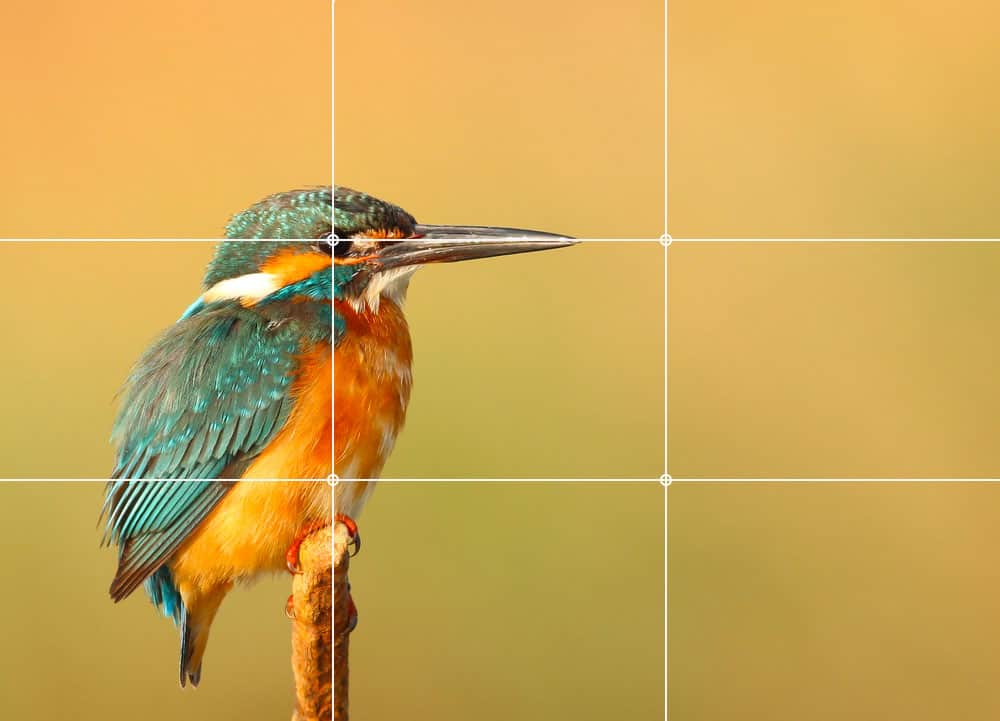
Composition Techniques for Bird Photography
Capturing beautiful bird photos involves more than just pointing your camera and clicking the shutter button. Paying attention to composition techniques will help you create visually appealing images that stand out. Here are some tips to improve your bird photography composition:
1. Rule of Thirds
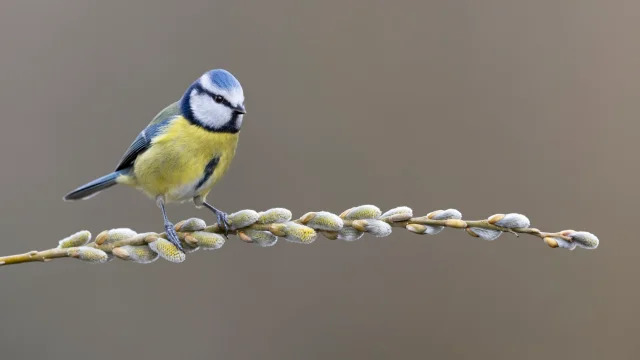
The rule of thirds is a fundamental principle in photography composition. Imagine dividing your frame into a grid of nine equal sections using two horizontal and two vertical lines. By placing your subject along these gridlines or at their intersections, you create a more balanced and visually pleasing composition.
2. Use Negative Space
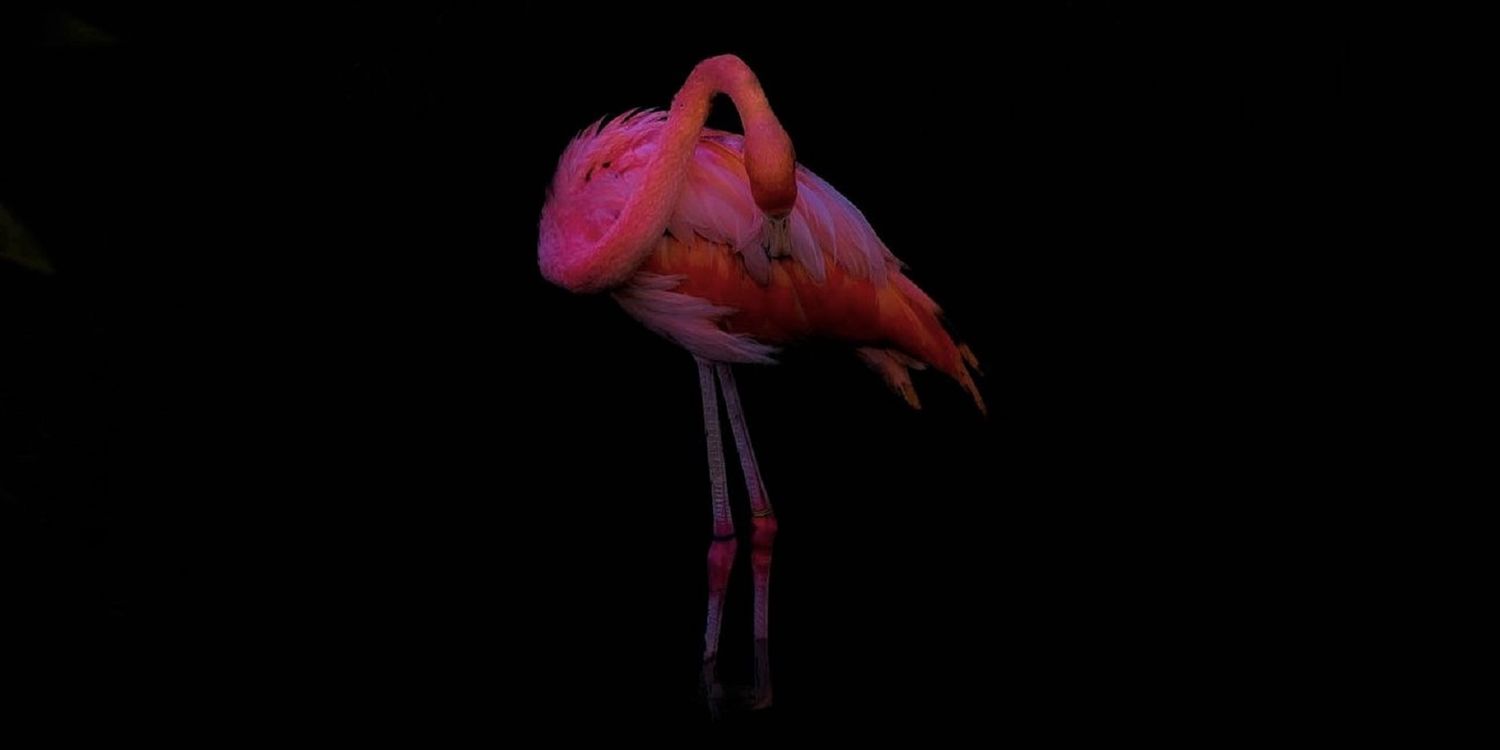
Negative space refers to the empty areas surrounding your subject. By incorporating negative space into your bird photos, you can create a sense of scale and emphasize the beauty and elegance of the bird. Experiment with different compositions by giving the bird room to "breathe" within the frame.
3. Leading Lines
Utilizing leading lines in your bird photography can guide the viewer's eye and create a sense of depth. Look for natural elements like tree branches, fences, or rivers that lead towards your subject. These lines add visual interest and draw attention to the bird, making it the focal point of the image.
4. Eye Contact
A bird's eyes are often the most captivating feature. When capturing bird photos, try to focus on the eyes and ensure they are sharp and in focus. The eyes should be the center of attention, drawing the viewer into the image and creating a connection with the subject.
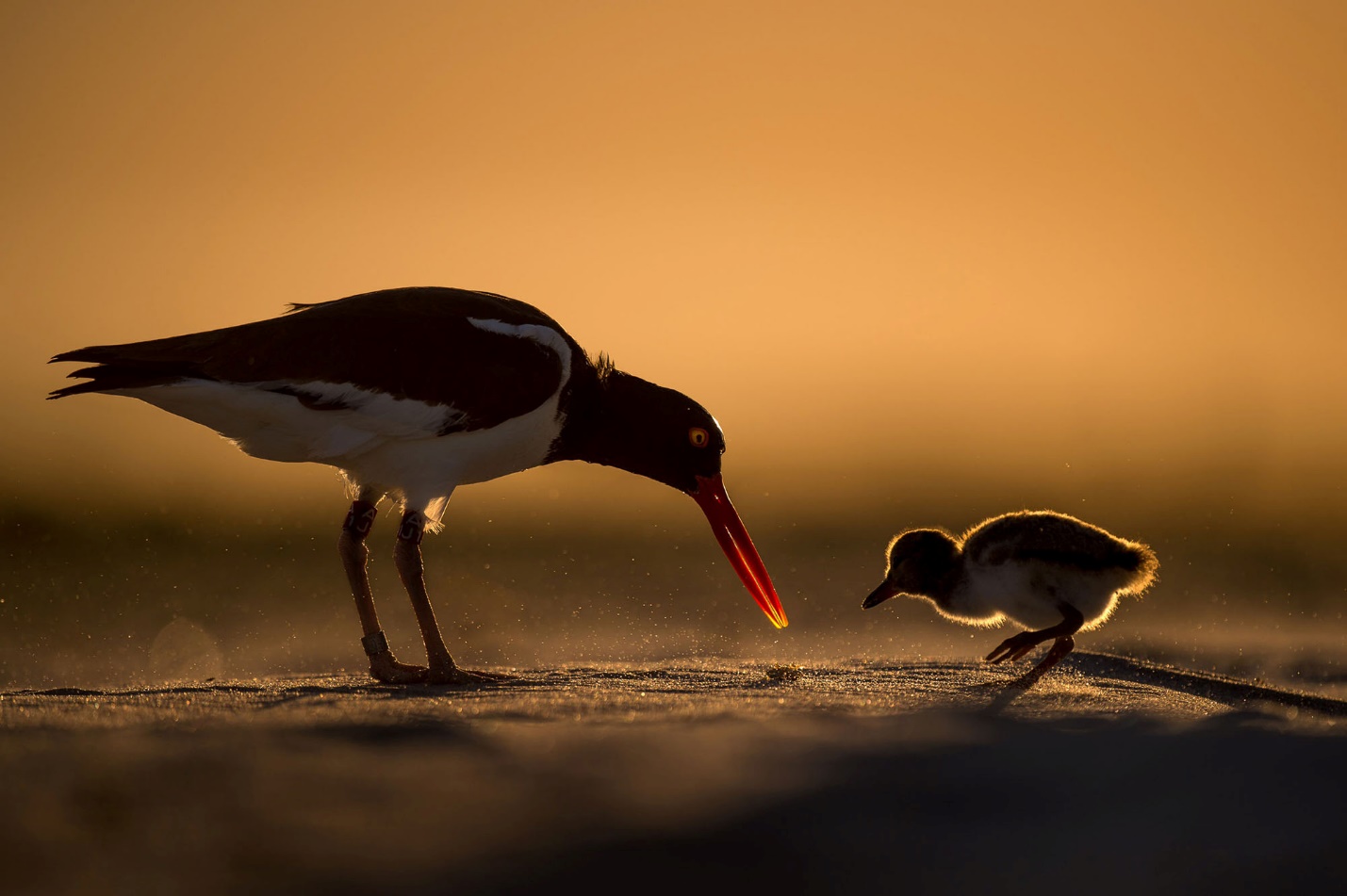
Tips for Taking Beautiful Bird Photos in Different Lighting Conditions
Lighting plays a crucial role in photography, and bird photography is no exception. Different lighting conditions can significantly impact the mood and quality of your bird photos. Here are some tips for capturing stunning bird images in various lighting situations:
1. Golden Hour Magic
The golden hour, which occurs during the first hour after sunrise and the last hour before sunset, offers the most beautiful and softest light for photography. During this time, the warm and golden tones add a magical touch to your bird images. Take advantage of this time of day to capture stunning silhouettes, backlit scenes, and warm color palettes.
2. Overcast Days
While bright sunshine is often preferred for bird photography, overcast days can provide a unique opportunity to capture birds without harsh shadows or blown-out highlights. The soft and diffused light on cloudy days enhances the details and colors of the birds, making for more even and balanced exposures.
3. Backlighting Drama
Experimenting with backlighting can add a dramatic and artistic touch to your bird photos. Position yourself so that the sun is behind the bird, and adjust your exposure to capture the silhouette or create a beautiful rim light effect. This technique can create stunning and ethereal images that highlight the bird's shape and contours.
4. High ISO in Low-Light Conditions
In low-light situations such as early mornings or late evenings, it may be necessary to increase your camera's ISO setting to maintain a fast enough shutter speed. While high ISO values can introduce noise in your images, the latest camera models handle noise exceptionally well. Don't be afraid to push the ISO limits to capture unique moments in challenging lighting conditions.
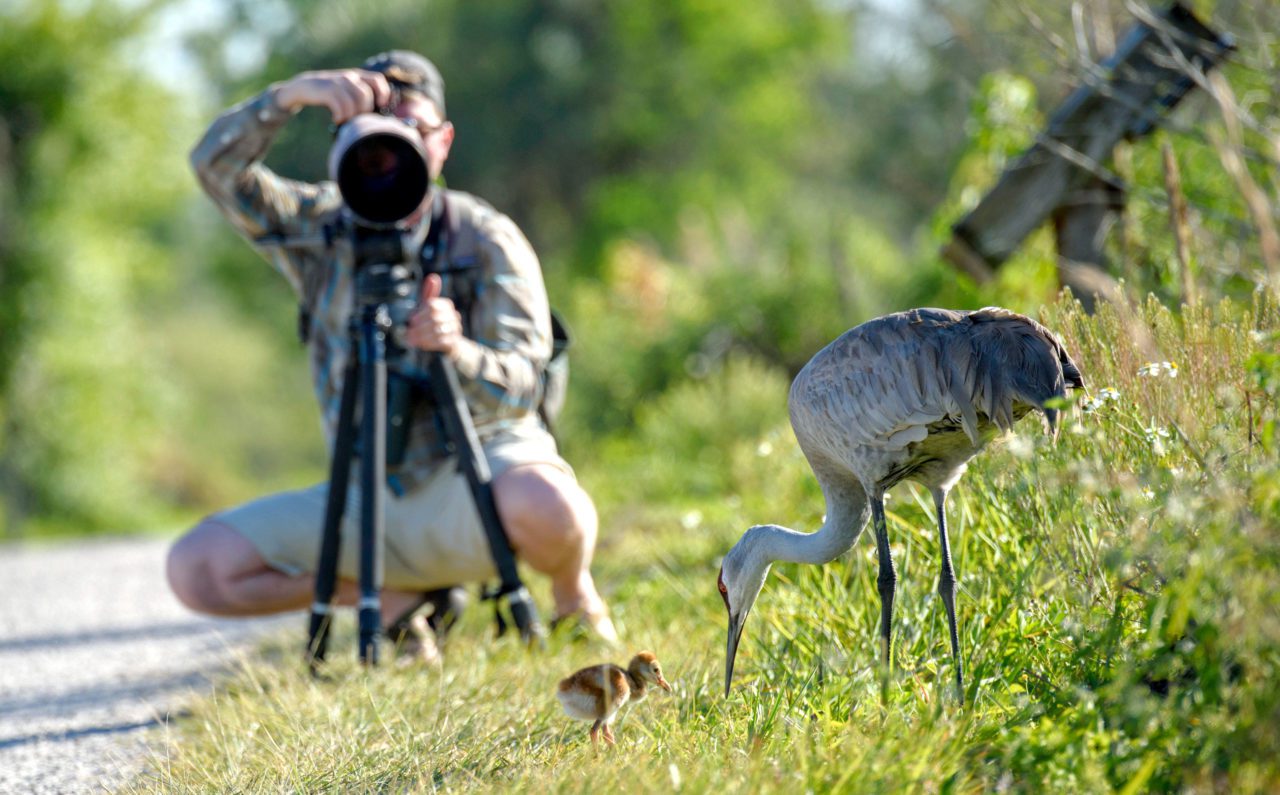
Tips for Attracting Birds and Finding the Right Locations
To capture stunning bird photos, you need to attract birds to your shooting location and find the right spots where they frequent. Here are some tips to help you attract birds and discover prime bird photography locations:
1. Create Bird-Friendly Habitats
Transforming your backyard into a bird-friendly habitat is a great way to attract a variety of bird species. Provide food sources such as bird feeders, nectar-rich flowers, and water baths. Consider incorporating birdhouses and perching spots to entice birds to visit your yard regularly.
2. Research Local Hotspots
Do some research to identify local hotspots for bird photography. Look for national parks, wildlife sanctuaries, and nature reserves in your area. These locations are often rich in bird biodiversity, offering ample opportunities for capturing unique species and behaviors. Online forums and birding communities can be excellent resources for discovering hidden gems.
3. Be Patient and Observant
Patience is key when it comes to bird photography. Settle in a comfortable position, observe your surroundings, and wait for the birds to come to you. Avoid sudden movements and loud noises that may startle the birds. By blending into the environment and being patient, you increase your chances of capturing candid and natural bird moments.
4. Be Mindful of Ethical Considerations
When photographing birds, it's essential to prioritize their welfare and well-being. Avoid disturbing nesting sites, keep a safe distance to avoid causing stress, and never bait or interfere with their natural behavior. Always respect the habitats and ecosystems you encounter while photographing birds.
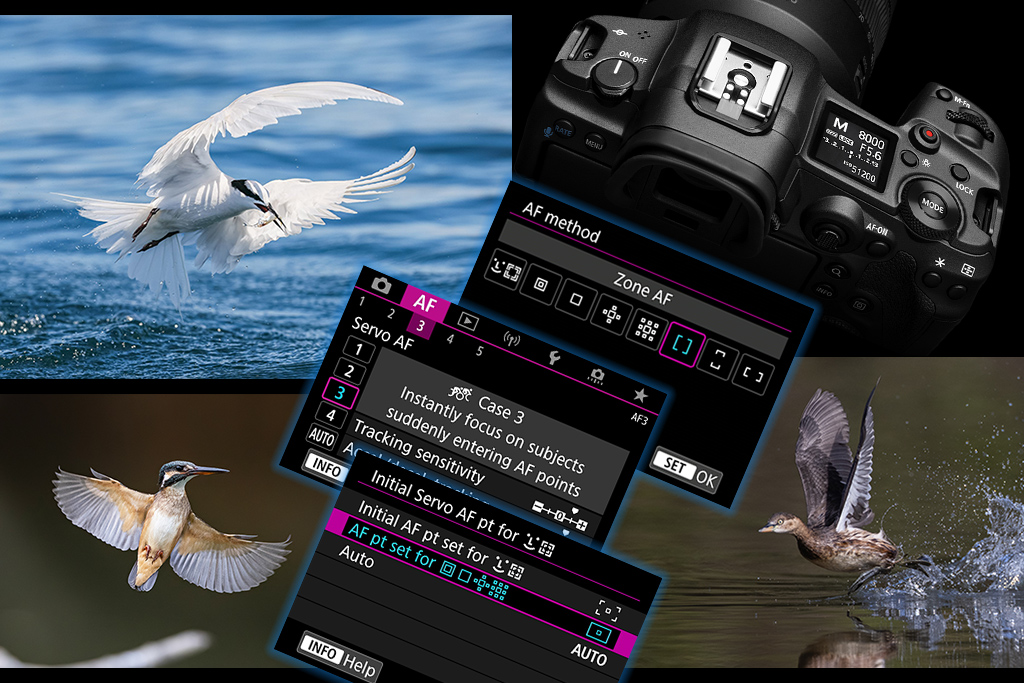
Camera Settings and Techniques for Bird Photography
To capture sharp and detailed bird photos, it's crucial to master your camera settings and employ specific techniques. Here are some camera settings and techniques to consider for successful bird photography:
1. Shutter Speed and Burst Mode
Birds are often fast-moving subjects, so using a fast shutter speed is essential to freeze their motion and capture sharp images. Aim for a minimum shutter speed of 1/1000th of a second or faster. Additionally, utilizing burst mode or continuous shooting allows you to capture a sequence of shots, increasing your chances of getting the perfect shot.
2. Aperture for Depth of Field
Choosing the right aperture setting can significantly impact the depth of field in your bird photos. A wide aperture (low f-stop value) like f/2.8 or f/4 creates a shallow depth of field, isolating the bird from the background and creating a pleasing bokeh effect. However, in situations where you want the entire bird and the background in focus, consider using a narrower aperture like f/8 or f/11.
3. Auto ISO and Exposure Compensation
Birds can quickly move from shaded areas to bright sunlight, making exposure challenging. Utilizing auto ISO can help you maintain proper exposure in changing lighting conditions. Additionally, using exposure compensation allows you to adjust the exposure according to the bird's specific lighting situation. Experiment with different exposure settings to achieve the desired results.
4. Focus Modes and Points
When it comes to focusing, different camera models offer various focus modes and autofocus points. For bird photography, it's often best to use continuous autofocus (AI Servo for Canon, AF-C for Nikon) to track moving birds accurately. Experiment with different autofocus modes and points to find what works best for your camera and shooting style.
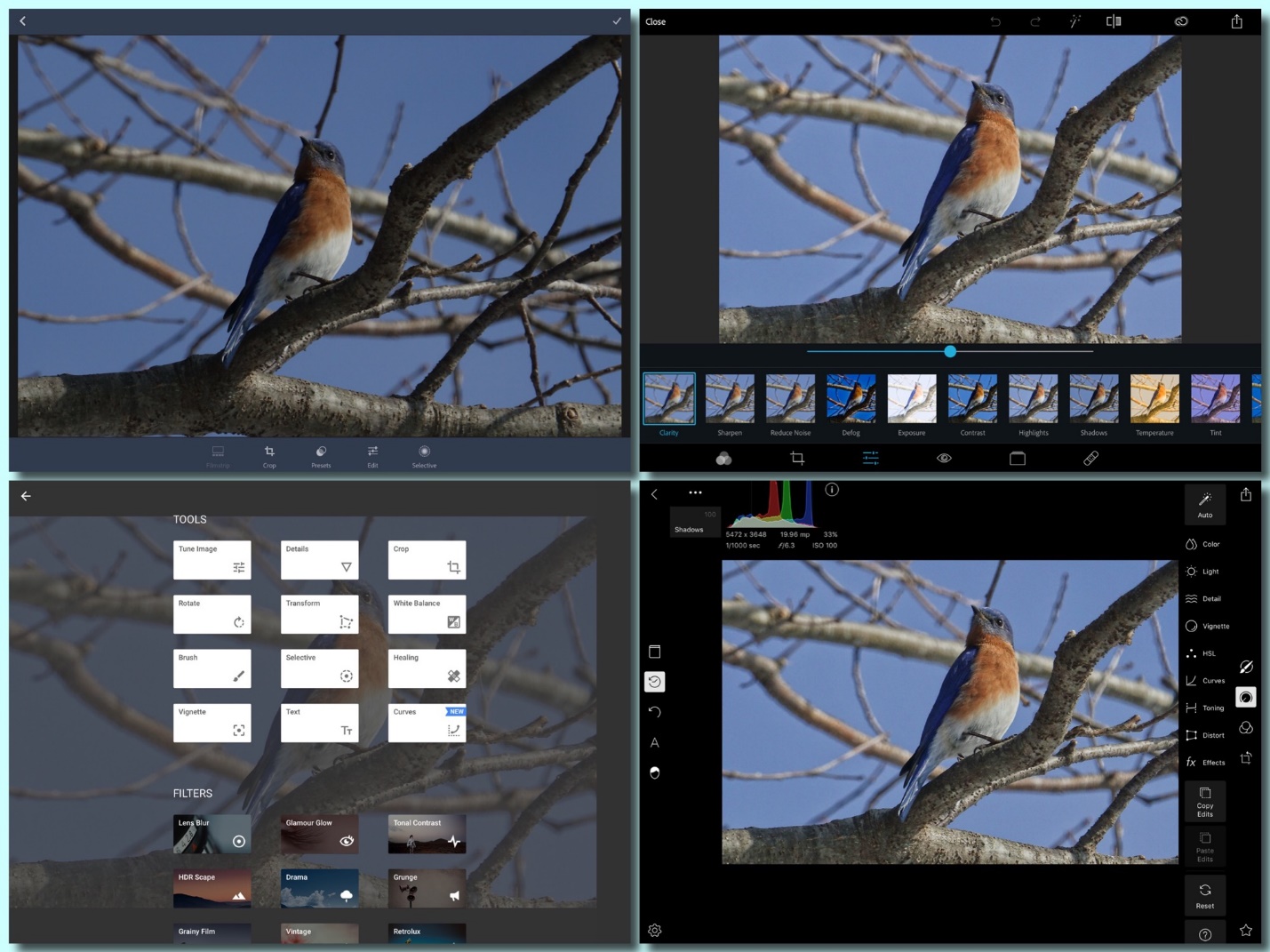
Post-Processing and Editing Tips for Bird Photos
Post-processing is an essential step in optimizing your bird photos and bringing out their full potential. Here are some post-processing and editing tips to enhance your bird images:
1. Shoot in RAW
Capture your bird photos in RAW format rather than JPEG. RAW files retain more information and provide greater flexibility during post-processing. This format allows you to adjust exposure, white balance, and other settings without compromising image quality.
2. Adjust White Balance
White balance affects the overall color temperature of your image. Experiment with different white balance settings to achieve accurate and pleasing colors in your bird photos. Alternatively, use the auto white balance setting as a starting point and fine-tune it during post-processing.
3. Enhance Details and Sharpness
During post-processing, utilize tools like the clarity slider, sharpening, and noise reduction to enhance the details and sharpness of your bird images. Be cautious not to overdo it, as excessive sharpening can lead to unnatural-looking photos.
4. Crop and Straighten
Cropping allows you to reframe your bird photos and emphasize specific details. Remove distracting elements and focus on the bird as the main subject. Additionally, straighten any horizon lines or tilted compositions to create a visually pleasing image.
Frequently Asked Questions (FAQs)
Q: What is the best time of day for bird photography?
A: The best time of day for bird photography is during the golden hour, which is the first hour after sunrise and the last hour before sunset. The soft and warm light during this time adds a magical touch to your bird photos.
Q: Do I need an expensive camera for bird photography?
A: While having a high-end camera can certainly enhance your bird photography, it's not a requirement. With the right techniques, composition, and understanding of bird behavior, you can capture stunning bird photos with any camera, even a smartphone.
Q: How do I attract birds to my backyard for photography?
A: To attract birds to your backyard, provide food sources such as bird feeders and nectar-rich flowers. Create a bird-friendly habitat with water baths and perching spots. Be patient and observant, and birds will soon find their way to your yard.
Q: How can I capture birds in flight?
A: Capturing birds in flight requires a fast shutter speed and continuous autofocus mode. Anticipate the bird's flight path, track it with your camera, and use burst mode to capture a sequence of shots. Practice and patience are key to mastering bird-in-flight photography.
Q: What camera lens is best for bird photography?
A: A telephoto lens with a long focal length, such as 300mm to 600mm, is ideal for bird photography. It allows you to bring distant birds closer and capture intricate details. However, make the most of the lens you have and learn to work within its limitations.
Q: How can I make my bird photos stand out?
A: To make your bird photos stand out, focus on composition, lighting, and capturing unique moments. Use techniques like the rule of thirds, negative space, and leading lines. Experiment with different lighting conditions and angles to create captivating and memorable images.
In conclusion, capturing beautiful bird photos requires a combination of technical skills, knowledge of bird behavior, and a creative eye. By understanding your subjects, using the right gear, mastering composition techniques, and being mindful of lighting conditions, you can elevate your bird photography to new heights. Remember to practice patience, respect the birds and their habitats, and continue to explore and learn. So grab your camera, head out into nature, and let your passion for bird photography soar!