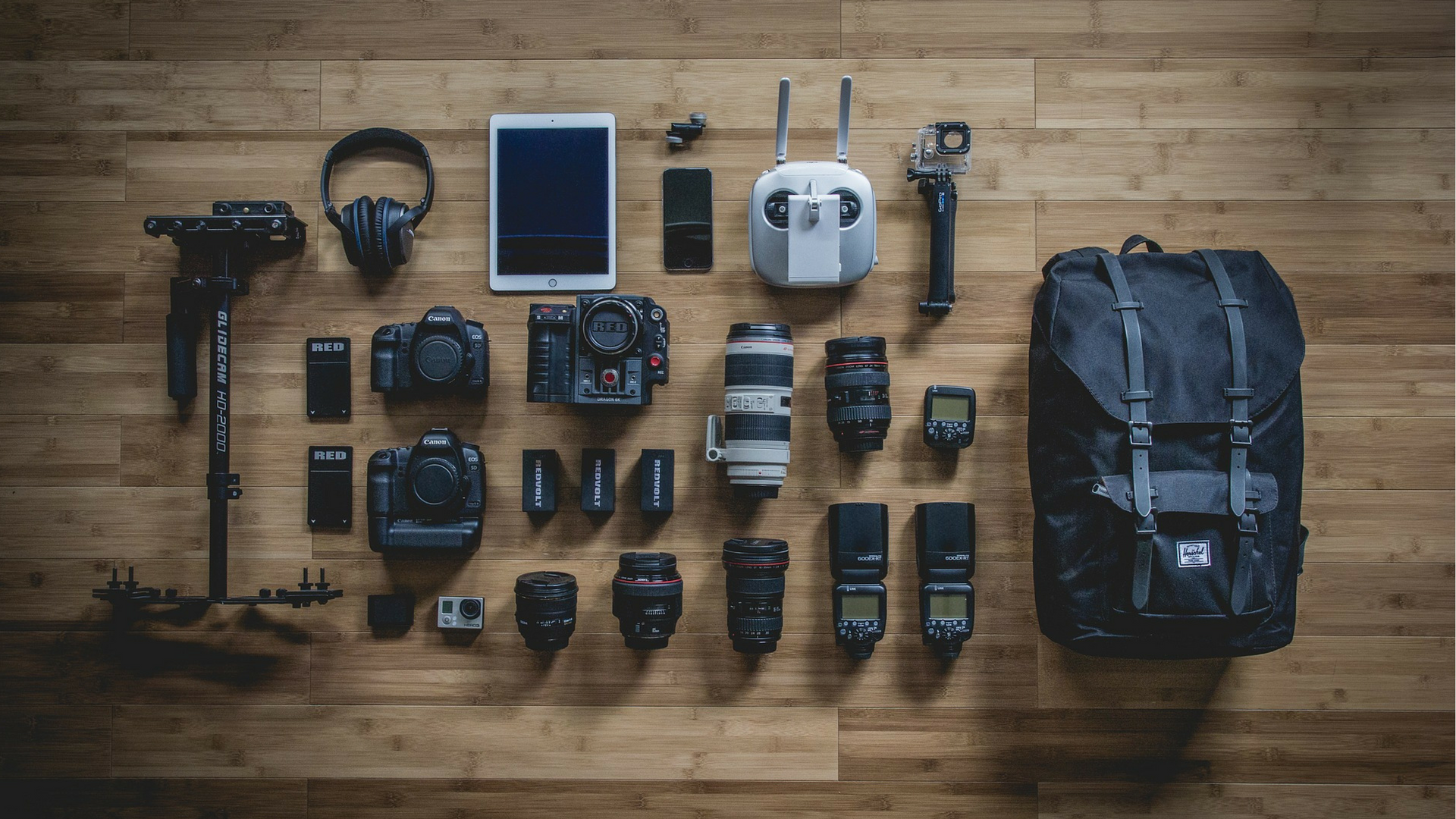
Tips to Get Started on Your Photography Path
-
 Loading...
 - dexter florence
- 09 Jun 2023
- 71 Views
- 0 Like
- 0 Comment
Photography is a captivating art form that allows you to capture and preserve moments in time. Whether you're an aspiring professional photographer or simply looking to enhance your skills as a hobbyist, getting started on your photography path can be an exciting and rewarding journey. In this article, we'll explore valuable tips and insights to help you embark on this creative endeavor and make the most out of your photography experience.
Tips to Get Started on Your Photography Path

1. Invest in a Good Camera
To kickstart your photography journey, it's essential to have a reliable camera. While smartphone cameras have improved significantly over the years, investing in a dedicated camera with manual controls will give you greater flexibility and control over your shots. Consider researching and selecting a camera that suits your budget and needs, whether it's a digital single-lens reflex (DSLR) camera or a mirrorless camera.
2. Learn the Basics of Photography
Before diving into the complexities of photography, it's crucial to grasp the fundamental concepts. Familiarize yourself with the exposure triangle, which consists of aperture, shutter speed, and ISO. Understand how these three elements work together to create well-exposed images. Additionally, learn about composition techniques, such as the rule of thirds and leading lines, to add visual interest to your photographs.
3. Experiment with Different Genres
Photography encompasses a wide range of genres, including landscape, portrait, street, wildlife, and macro photography, among others. Explore various genres to discover what sparks your interest and resonates with your creative vision. By experimenting with different styles, you'll not only expand your skillset but also gain a deeper understanding of the type of photography that inspires you the most.
4. Master the Art of Composition
Composition plays a crucial role in creating visually compelling photographs. Pay attention to the placement of your subject within the frame, and use leading lines, symmetry, and framing techniques to draw the viewer's eye. Remember the rule of thirds, where you divide the frame into nine equal parts and place your subject along the intersecting lines or at the points of interest.
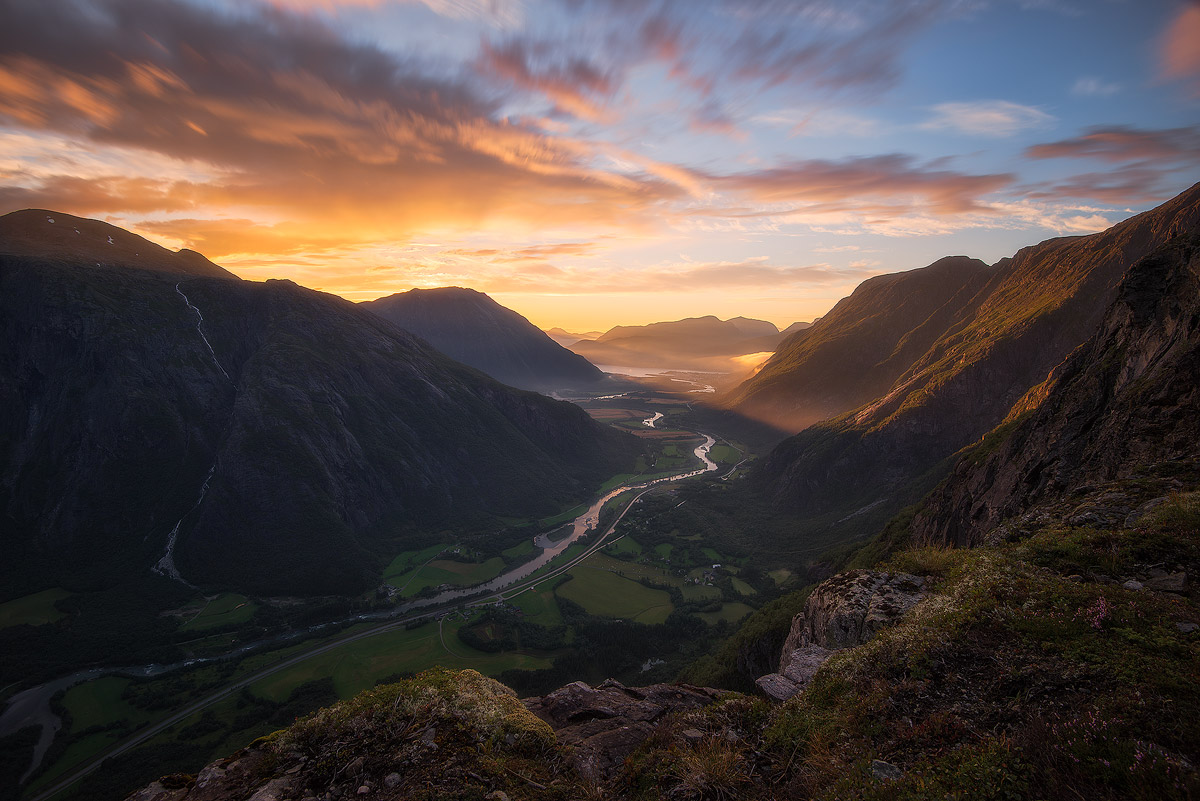
5. Understand Lighting and Exposure
Lighting is a fundamental element in photography, as it sets the mood and enhances the overall quality of your images. Learn to work with natural light, understanding how it changes throughout the day and affects the atmosphere of your photographs. Experiment with different lighting conditions, such as golden hour or backlighting, to add depth and dimension to your shots. Additionally, master exposure techniques to ensure your images are properly lit and well-balanced.
6. Practice Patience and Perseverance
Photography is an art that requires patience and perseverance. Not every shot will turn out as expected, but it's through practice and persistence that you'll improve your skills. Embrace the learning process, be open to constructive criticism, and never be afraid to try new techniques or experiment with creative ideas. Remember, every photographer starts somewhere, and dedication to your craft will yield rewarding results.
7. Develop Your Eye for Detail
One of the distinguishing factors of a great photographer is the ability to notice and capture small details that others may overlook. Train your eye to see the beauty in everyday scenes and objects. Look for interesting patterns, textures, colors, and unique perspectives that can elevate your photographs from ordinary to extraordinary. Developing your observational skills will enhance your photography and allow you to create captivating images.
8. Learn from Other Photographers
Immersing yourself in the works of other photographers can be a tremendous source of inspiration and knowledge. Study the portfolios of renowned photographers and analyze their techniques, composition choices, and use of lighting. Attend photography exhibitions, join online photography communities, and participate in workshops or photography classes to learn from professionals in the field. Emulating their work while finding your unique style will help you grow as a photographer.

9. Tell a Story with Your Photographs
Powerful photographs often convey a story or evoke emotions within the viewer. As you progress on your photography path, aim to capture images that tell a narrative. Consider the message you want to convey and the emotions you want to evoke with each photograph. Develop your storytelling skills by incorporating elements of composition, lighting, and subject matter that align with your intended narrative.
10. Experiment with Post-Processing
Post-processing is an integral part of digital photography, allowing you to enhance and fine-tune your images. Explore editing software such as Adobe Lightroom or Capture One to adjust exposure, contrast, colors, and other elements. However, it's essential to find a balance and avoid over-processing your photos. Remember that editing should enhance your vision rather than completely altering the original image.

11. Capture Candid Moments
Some of the most memorable photographs are candid shots that capture genuine emotions and interactions. Learn to observe and anticipate moments that unfold naturally, whether it's during a family gathering, a street scene, or a wildlife encounter. Candid photography adds authenticity and spontaneity to your portfolio, providing a glimpse into the essence of a moment.
12. Utilize Leading Lines
Leading lines are a powerful compositional technique that guides the viewer's eye through a photograph. They can be straight, curved, or diagonal lines within the frame. By incorporating leading lines into your composition, you create a sense of depth and movement, adding visual interest to your images. Look for natural or man-made elements such as roads, rivers, fences, or buildings that can serve as leading lines.
13. Embrace Minimalism
In photography, less is often more. Embracing minimalism involves simplifying your composition, removing any distractions, and focusing on the essence of your subject. Use negative space to draw attention to your main subject and create a sense of balance and tranquility in your photographs. Minimalistic images can evoke a sense of calm and allow the viewer to appreciate the beauty of simplicity.
14. Capture Different Perspectives
Don't be afraid to experiment with unique angles and perspectives to add visual interest to your photographs. Get down low or shoot from a higher vantage point to change the way your subject is perceived. Look for reflections, shadows, or interesting framing opportunities that can provide a fresh perspective. By exploring different viewpoints, you'll discover new creative possibilities and expand your photographic vision.
15. Create a Cohesive Portfolio
As you capture more photographs, aim to curate a cohesive portfolio that reflects your style and vision as a photographer. Select your best and most representative images across various genres and create a unified body of work. A well-organized portfolio showcases your skills and helps you make a strong impression when presenting your work to potential clients or for exhibition opportunities.
16. Master the Art of Focus
Achieving sharp focus in your photographs is essential to ensure your subject is clear and well-defined. Experiment with different focusing techniques, such as single-point autofocus or manual focus, to achieve the desired results. Understand depth of field and how aperture settings affect the area of focus in your images. Practice focusing on different subjects and distances to sharpen your skills.
17. Develop a Personal Style
As you gain experience in photography, you'll naturally develop a personal style that distinguishes your work from others. Embrace this evolution and focus on refining your unique artistic voice. Experiment with different techniques, subject matters, and editing styles, and pay attention to the aspects that resonate with you the most. Developing a personal style will make your photographs identifiable and leave a lasting impression on viewers.
18. Understand and Respect Ethical Photography Practices
As a photographer, it's crucial to understand and adhere to ethical practices when photographing people, animals, or culturally significant locations. Obtain necessary permissions when photographing individuals, especially in private or sensitive settings. Respect the environment and wildlife by maintaining a safe distance and avoiding disruptive behavior. Ethical photography ensures that you capture moments respectfully and responsibly.
19. Print and Display Your Work
Don't let your photographs remain hidden on a hard drive or social media platforms. Printing and displaying your work allows you to appreciate the physicality of your photographs and share them with others. Whether it's framing your favorite images, creating a photo book, or organizing an exhibition, tangible representations of your work provide a sense of accomplishment and allow you to connect with viewers on a deeper level.
FAQs
Q: How can I improve my photography skills?
A: Improving your photography skills requires practice, patience, and a willingness to learn. Invest in a good camera, understand the basics of photography, experiment with different genres, and seek inspiration from other photographers. Embrace feedback and constructive criticism, and most importantly, practice regularly to hone your skills.
Q: What camera equipment should I start with as a beginner?
A: As a beginner, consider starting with an entry-level DSLR or a mirrorless camera. These cameras offer manual controls and flexibility, allowing you to learn and grow as a photographer. Invest in a versatile lens, such as a standard zoom lens, to cover a wide range of focal lengths. As you progress, you can expand your gear based on your specific interests and needs.
Q: Is formal education necessary to become a professional photographer?
A: While formal education can provide a solid foundation and open doors to opportunities, it's not the only path to becoming a professional photographer. Many successful photographers are self-taught or have learned through workshops, mentorships, and online resources. What matters most is a combination of passion, dedication, continuous learning, and the ability to create compelling images.
Q: How do I find my photography niche?
A: Finding your photography niche involves exploring different genres, experimenting with various subjects, and reflecting on what excites you the most. Pay attention to the type of photography that brings you joy, resonates with your vision, and allows you to express yourself creatively. Over time, you'll discover your niche and develop a unique style that sets your work apart.
Q: How can I make money with photography?
A: There are various ways to monetize your photography skills. You can offer your services as a professional photographer for events, portraits, weddings, or commercial assignments. Selling prints of your work, licensing your images, teaching photography workshops, or collaborating with brands and businesses are also avenues to generate income. Building a strong portfolio, networking, and marketing yourself effectively are crucial in pursuing a photography career.
Q: What tips do you have for overcoming creative blocks in photography?
A: Creative blocks are natural and happen to every photographer at some point. To overcome them, try taking a break and stepping away from your camera for a while. Engage in other creative activities or seek inspiration from different art forms. Explore new locations or experiment with different techniques. Surround yourself with a supportive community of photographers who can provide feedback and encouragement. Remember, creative blocks are temporary, and they often lead to new breakthroughs and fresh perspectives.
Embarking on your photography path is an exciting and fulfilling endeavor. By following these tips and embracing your creativity, you'll develop the necessary skills and mindset to capture stunning photographs. Remember to practice regularly, seek inspiration, and never stop learning and experimenting. Whether it's capturing breathtaking landscapes, telling compelling stories through portraits, or exploring the intricate details of the world around you, photography has the power to convey emotions, inspire others, and preserve precious moments for generations to come.