Traditional Festivals in Chile: Celebrating Culture and Heritage
-
 Loading...
 - Tonette Brecke
- 15 Jul 2024
- 53 Views
- 0 Like
- 0 Comment
Chile is a country rich in cultural heritage and traditions, reflected in its vibrant festivals celebrated throughout the year. These festivals offer a glimpse into Chile's diverse history, customs, and community spirit. Here are some of the most significant traditional festivals in Chile.
1. Fiestas Patrias (National Holidays)
Overview
Fiestas Patrias, also known as "Dieciocho," celebrates Chile’s Independence Day on September 18th and the Day of the Glories of the Army on September 19th. This is one of the most important and widely celebrated holidays in Chile.
Highlights
- Parades: Military parades, including the Gran Parada Militar, are held across the country.
- Fondas and Ramadas: Traditional parties featuring music, dancing, food, and games.
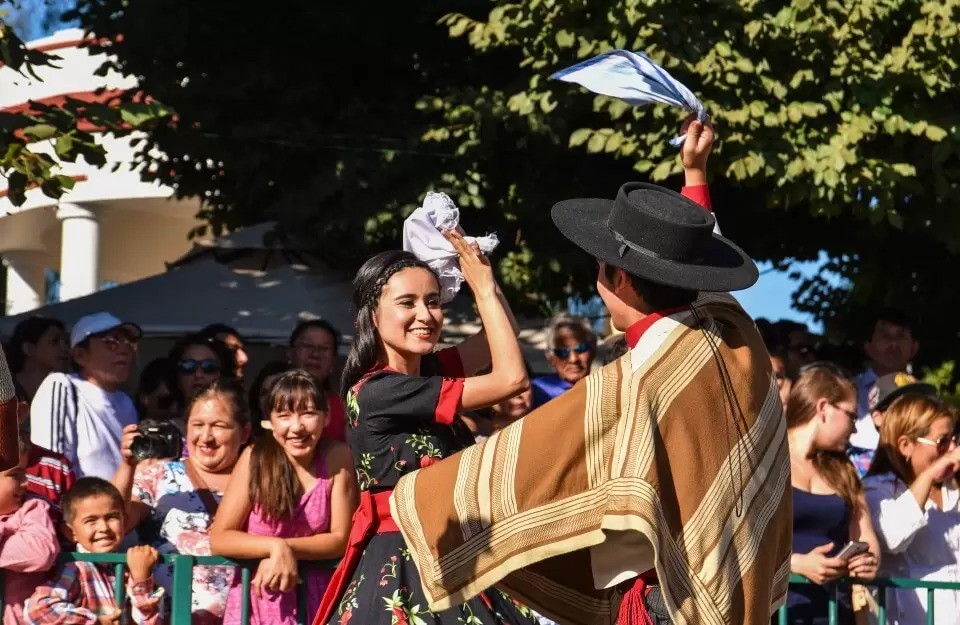
- Cueca Dancing: Chile’s national dance is performed everywhere, from homes to public squares.
- Barbecues and Traditional Foods: Families and friends gather for asados (barbecues) and enjoy empanadas, anticuchos, and other traditional dishes.
2. La Tirana Festival
Overview
La Tirana Festival is held in mid-July in the small town of La Tirana, located in the Atacama Desert. It is a religious festival dedicated to the Virgen del Carmen, Chile's patron saint.
Highlights
- Colorful Processions: Thousands of dancers and musicians parade through the streets in elaborate costumes and masks.
- Religious Ceremonies: Devotees attend masses and other religious events at the church of La Tirana.
- Traditional Dances: Dances such as Diablada, Morenada, and Caporales are performed.
3. Carnaval Andino con la Fuerza del Sol
Overview
Held in the northern city of Arica in February, this festival celebrates the Andean culture with a vibrant mix of music, dance, and colorful costumes.
Highlights
- Parades and Performances: Over 10,000 dancers and musicians participate, representing various cultural groups.
- Traditional Andean Music and Dance: Includes Tinku, Diablada, and other indigenous dances.
- Colorful Costumes: Participants wear intricate and colorful costumes reflecting Andean traditions.
4. Tapati Rapa Nui
Overview
Tapati Rapa Nui is an annual festival held in February on Easter Island (Rapa Nui) to celebrate the island's Polynesian heritage.
Highlights
- Cultural Competitions: Islanders compete in traditional sports, music, and dance competitions.
- Body Painting and Costumes: Participants adorn themselves with traditional body paint and costumes.
- Haka Pei: A thrilling tobogganing competition where participants slide down steep hills on banana trunks.
5. Semana Valdiviana
Overview
Semana Valdiviana, celebrated in late February in the city of Valdivia, marks the end of the summer season with a week-long festival.
Highlights
- Fluvial Parade: Decorated boats parade along the Valdivia River, culminating in a fireworks display.
- Music and Dance Performances: Various cultural performances take place throughout the week.
- Local Cuisine: Food stalls offer a variety of local delicacies, including seafood and craft beers.
6. Fiesta de La Vendimia (Grape Harvest Festival)
Overview
Held in March in wine-producing regions such as the Colchagua Valley, the Fiesta de La Vendimia celebrates the grape harvest and Chile’s wine industry.
Highlights
- Wine Tasting: Visitors can sample a wide range of Chilean wines.
- Traditional Grape Stomping: A fun and interactive activity for participants.
- Music and Dance: Live performances featuring traditional Chilean music and folk dances.
7. Festival Internacional de la Canción de Viña del Mar
Overview
This internationally renowned music festival takes place in Viña del Mar in late February and early March. It’s one of the most significant music festivals in Latin America.
Highlights
- Live Performances: Features both local and international artists from various genres.
- Competition: Singers compete in different categories, including international and folk music.
- Star-Studded Event: Attracts celebrities and music enthusiasts from around the world.
8. Fiesta de San Pedro
Overview
Celebrated on June 29th, Fiesta de San Pedro honors Saint Peter, the patron saint of fishermen, with festivities in coastal towns and cities.
Highlights
- Maritime Processions: Boats are decorated and paraded on the water in honor of Saint Peter.
- Religious Ceremonies: Masses and blessings of the fishing boats are held.
- Folk Music and Dance: Coastal communities celebrate with traditional music and dance.
9. Festival de la Pampilla
Overview
Held in the city of Coquimbo during Fiestas Patrias, this festival is one of the largest in Chile, attracting thousands of visitors.
Highlights
- Music and Dance: Features live performances of traditional and popular music.
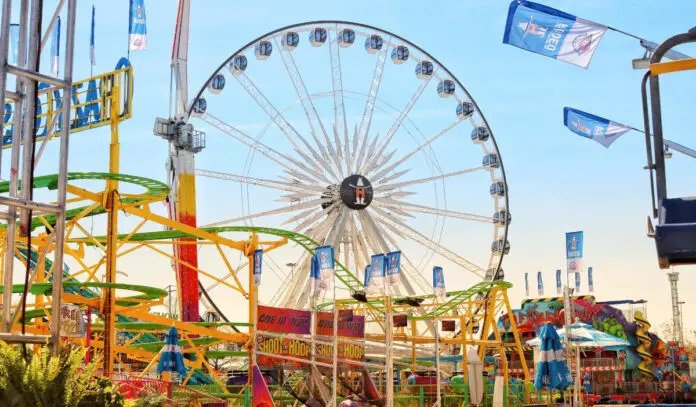
- Carnival Rides and Games: Family-friendly activities and amusement rides.
- Food Stalls: A variety of traditional Chilean foods and beverages are available.
10. Noche de San Juan
Overview
Celebrated on June 23rd, Noche de San Juan is a traditional festival marking the winter solstice with various customs and superstitions.
Highlights
- Bonfires: Bonfires are lit, and people gather to celebrate the longest night of the year.
- Rituals and Games: Participants engage in traditional rituals believed to bring good luck.
- Music and Dance: Folk music and dancing are an integral part of the festivities.
Conclusion
Chile’s traditional festivals are a testament to the country's rich cultural heritage and vibrant community spirit. Whether you’re enjoying the lively Fiestas Patrias, the colorful La Tirana Festival, or the unique Tapati Rapa Nui, these celebrations offer a captivating insight into Chilean customs and traditions.