Type 2 Error Explained: How to Avoid Hypothesis Testing Errors
-
 Loading...
 - Frank Anim
- 24 Apr 2023
- 54 Views
- 0 Like
- 0 Comment
As you test hypotheses, there’s a potentiality you might interpret your data incorrectly. Sometimes people fail to reject a false null hypothesis, leading to a type 2 (or type II) error. This can lead you to make broader inaccurate conclusions about your data. Learn more about what type 2 errors are and how you can avoid them in your statistical tests.
What Is a Type 2 Error?
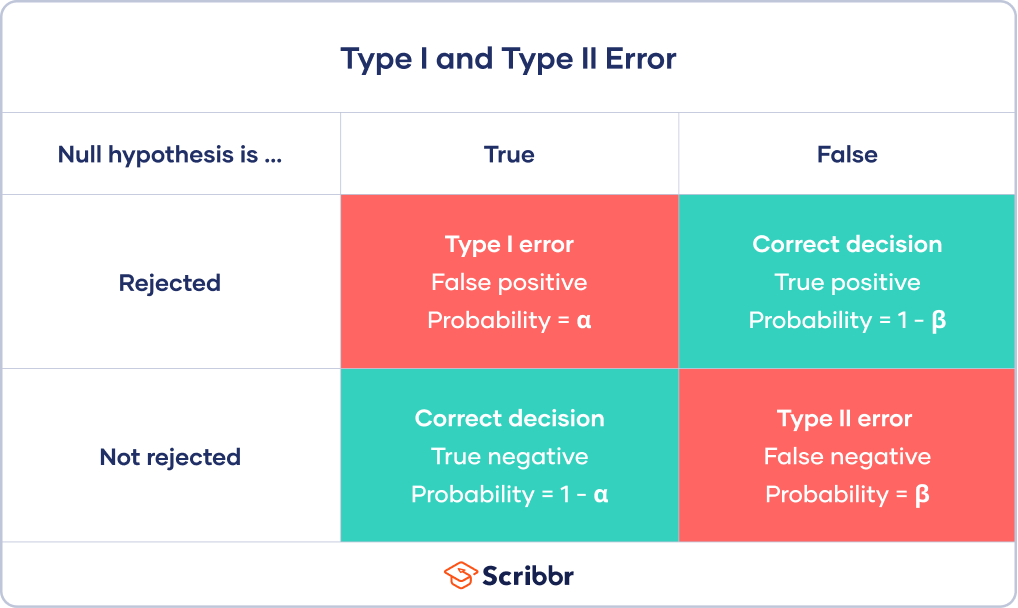
A type 2 error (or type II error) means you’ve accepted a false null hypothesis and prematurely disregarded your alternative hypothesis. Type 2 errors convey whether or not the statistical power of the test was high or low enough in your initial examination of a dataset.
Keep in mind this might not mean you have a true positive when it comes to your alternative, just that you’ve returned a false negative result for the null. You likely thought your alternative hypothesis did not return a statistically significant result when it actually did, at least to the point at which you can question the null hypothesis.
What Is a Type 1 Error?
Type 1 errors (or type I errors) return false positive results for alternative hypotheses, leading researchers to disregard and reject true null hypotheses. In other words, you incorrectly believe your statistical experiment was a success. According to statisticians, type 1 errors happen at the alpha level (or statistical significance level) of your results. Read More…