Uganda on track in the fight against malaria
-
 Loading...
 - Glory Selemani
- 05 May 2023
- 73 Views
- 0 Like
- 0 Comment
On Wednesday April 25, the world commemorated World Malaria Day 2023 under the theme Time to Deliver Zero Malaria: Invest, Innovate, Implement. Although the goal to deliver zero malaria faces a number of challenges, we look at where Uganda is in the fight and what more needs to be done.
In July 2022, the Minister of Health, Dr Jane Ruth Aceng, revealed plans to eliminate Malaria from Uganda by 2030. According to the minister, the prevalence rate of the malaria parasite has reduced from 42 percent in 2009 (about 13 million cases) to nine per cent in 2019 (about four million cases) reported per year. This reduction is attributed to five years of sustained indoor residual spraying (IRS) with insecticide.
However, the country experienced a new burden of malaria since January 2022 and the cases are said to have risen higher as the year ended. A surge was reported, where more than 300,000 cases per week were reported during the peak.
Malaria is common in more than 95 percent of the total population in the country. According to a recent report by the World Health Organisation (WHO), Uganda has the world’s highest malaria incidence rate of 478 cases per 1,000 population per year. It is also the leading cause of sickness and death in Uganda and is responsible for up to 40 percent of all outpatient visits, 25 percent of hospital admissions and 14 percent of all hospital deaths. The malaria death rate in Uganda is estimated to be between 70,000 and 100,000 deaths per year; a toll that exceeds that of HIV/Aids.
What caused the surge?
Different regions of the country reported different numbers of cases but Eastern Uganda was the most affected.
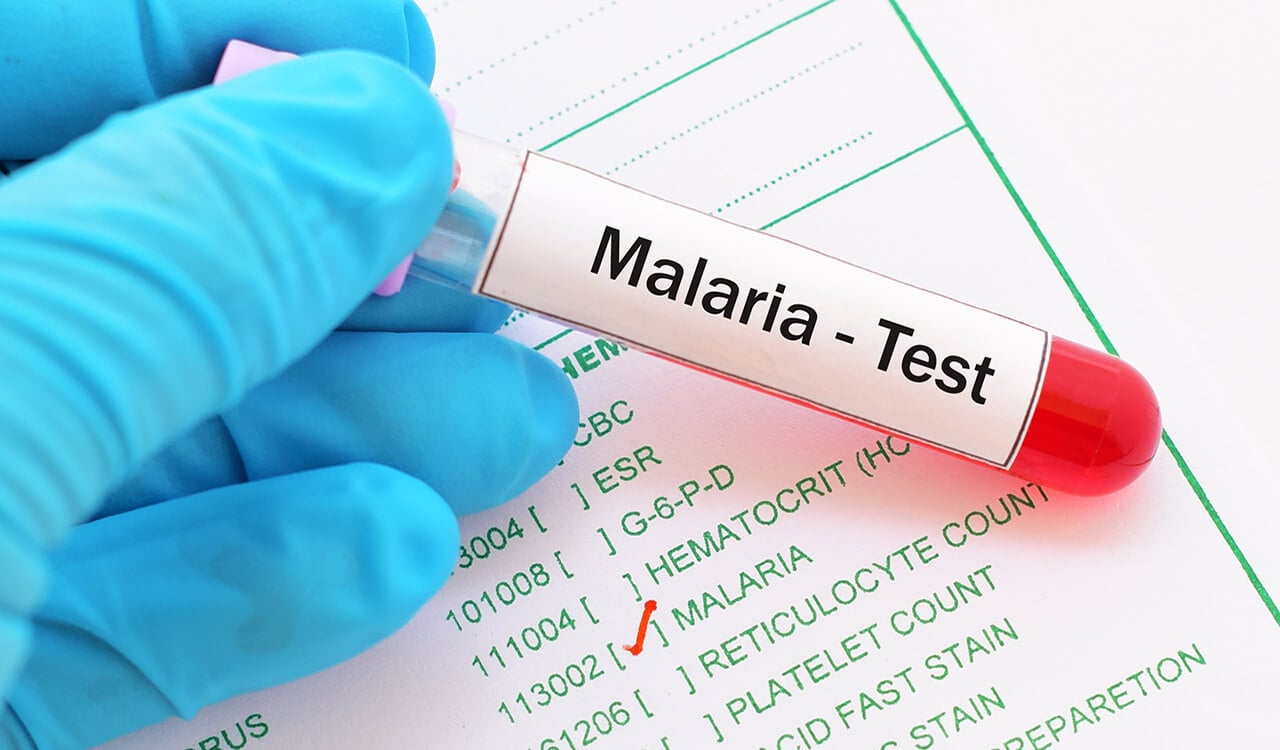
Ignatius Asasira, a public health advocate at Makerere University, says there is under and overdosing because many people, especially those in urban areas, buy over the counter medicines when they notice some symptoms without getting a proper diagnosis and prescription.
“The body then becomes resistant to the treatment. This is why some people get treatment but get a relapse after a short time. We always advise people to seek proper diagnosis from a qualified health-worker,” Asasira says.
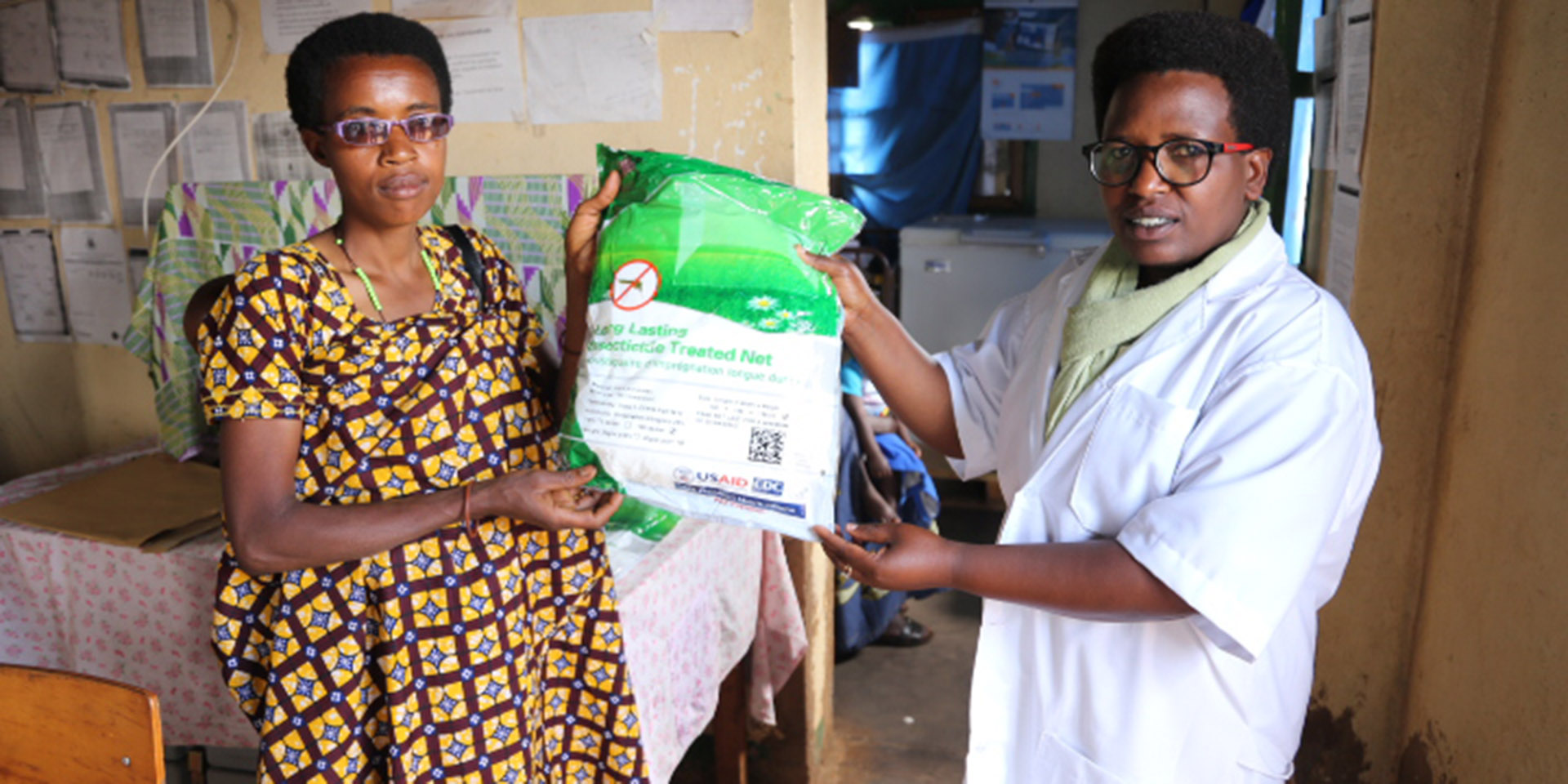
Dr Jimmy Opigo, the programme manager National Malaria Control Division, attributes the surge in rural areas to improper use of the mosquito nets.
“Some people use the government-issued nets to grow vegetables while others use them to rear chicken,” he states adding; “In areas where indoor residual spraying was supposed to be done, people used the chemicals for their crops instead of spraying their houses. The mosquitoes then became resistant to the chemicals, hence the rise in the number of malaria infections in some regions.” Read More…