Unlocking the Mystery: How Mosquitoes Smell Humans

Between a variety of mosquito-borne diseases, most notably malaria, nearly one million deaths each year can be traced back to simple mosquito bites. Therefore, curbing the deadly attraction between mosquitoes and humans is a significant public health priority. Unfortunately, attempts to do so by interfering with how mosquitoes pick up our scent have proven fruitless thus far.
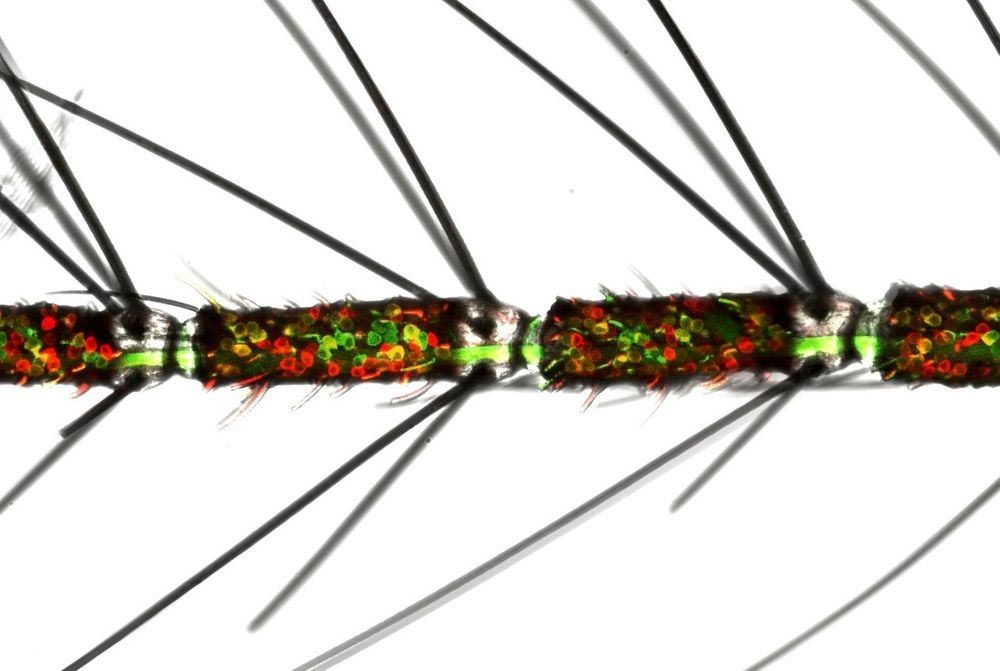
Now, an enlightening new scientific study explains why the mosquito’s sense of smell is so difficult to disrupt. The research, published recently in the journal Cell, reveals an exquisitely complex olfactory system that empowers Aedes aegypti mosquitoes to specialize in hunting humans and spread viruses such as dengue, Zika, chikungunya, and yellow fever. Longstanding assumptions about how mosquitoes sense and interpret odors are upended by data presented in the paper.
“At first glance, mosquito olfaction makes no sense. The way the mosquito organizes its sensation of smell is completely unexpected,” says Leslie Vosshall, the Robin Chemers Neustein Professor at The Rockefeller University and Chief Scientific Officer of the Howard Hughes Medical Institute. “But for the mosquito it makes perfect sense. Every neuron that interprets smell is redundant in such a way that the olfactory system is essentially unbreakable. This may explain why we haven’t found a way to break mosquitoes’ attraction to humans.”
Violating the laws of olfaction
From insects to mammals, scientists generally assume the brain processes smells through a 1:1:1 system. Each olfactory neuron expresses one odor receptor that communicates with one cluster of nerve endings, known as a glomerulus. Among the evidence for the one-neuron-one-receptor-one-glomerulus model in insects is the observation that many species have almost the exact same number of olfactory receptors as glomeruli. Fruit flies have about 60 receptors and 55glomeruli; honeybees, 180:160; tobacco hornworms, 60:70. Read More...