Ugandan scientists build low-cost air quality monitoring system
-
 Loading...
 - Jude Mbabazi
- 22 Jun 2022
- 229 Views
- 0 Like
- 0 Comment
In a tiny workshop at Uganda's top university, Makerere University, tech-savvy youths develop a low cost air quality monitoring system that experts say will influence decision-making regarding the increasing air pollution in the east African country.
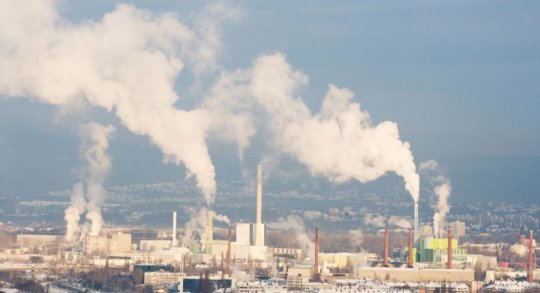
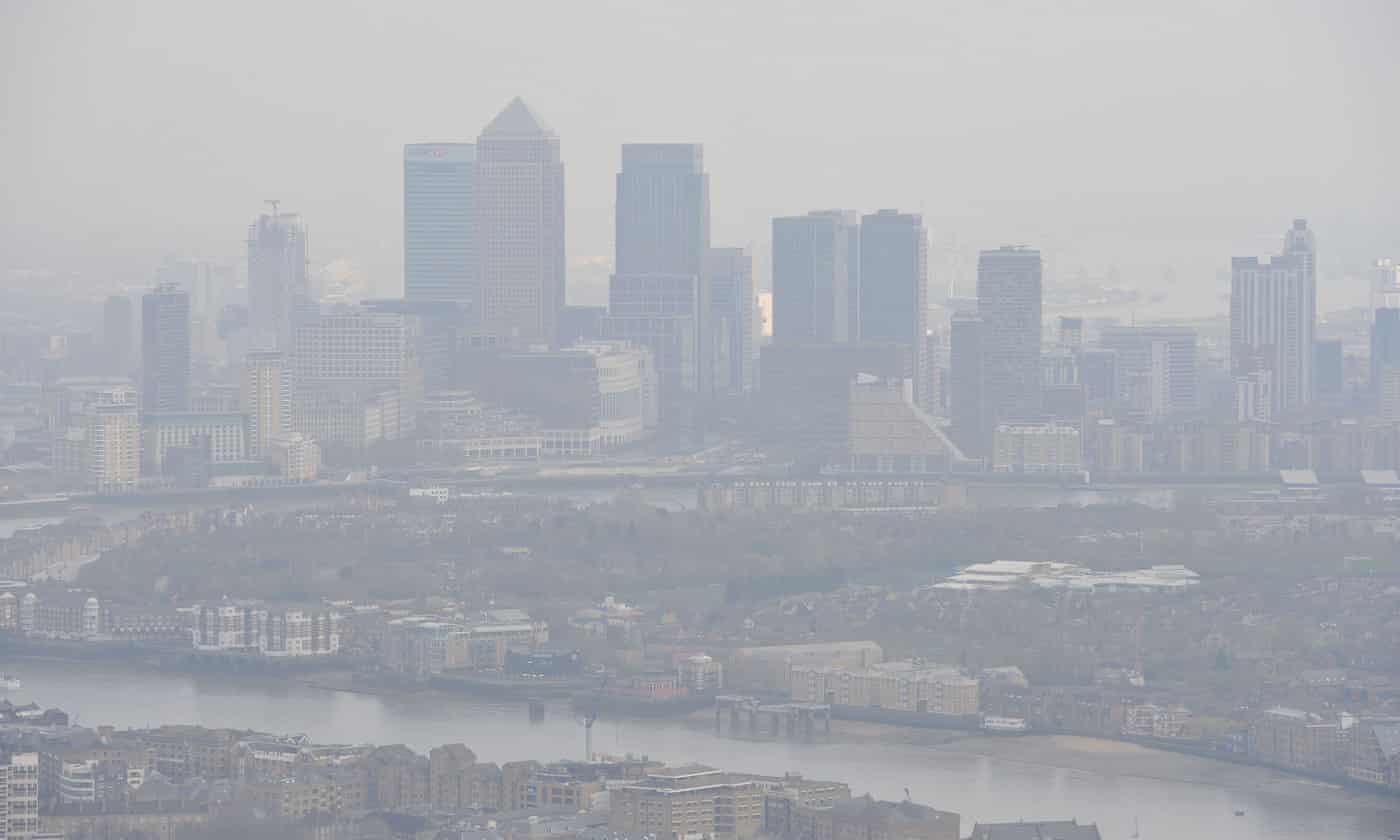
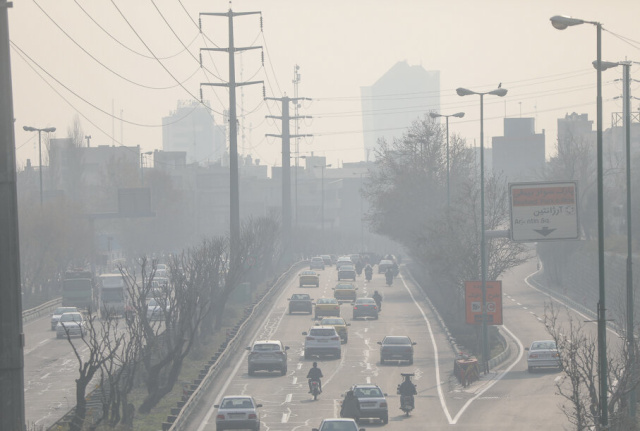
According to the 2021 World Air Quality Report, Uganda's capital Kampala was ranked among the most polluted cities, with pollution levels exceeding World Health Organization (WHO) cutoffs 5 to 7 times.
Key drivers of air pollution in Kampala, according to environmentalists, are unpaved roads, domestic solid biomass energy uses, exhaust and non-exhaust emissions from vehicles, industrial emissions, and open burning of solid waste.
This exposure to hazardous air pollution has health related threats. According to WHO, about 7 million people die of air pollution every year; 4.2 million die from outdoor air pollution and about 3.8 million from indoor air pollution. According to Global burden of disease studies, air pollution ranks second driver of death. In Uganda alone, over 26,000 deaths are attributed to air pollution alone annually.
With the new innovation of a low cost air quality monitoring system, experts say the real-time data would be used to influence decisions at a personal, local council and at country level regarding policies to be enacted to reduce air pollution.
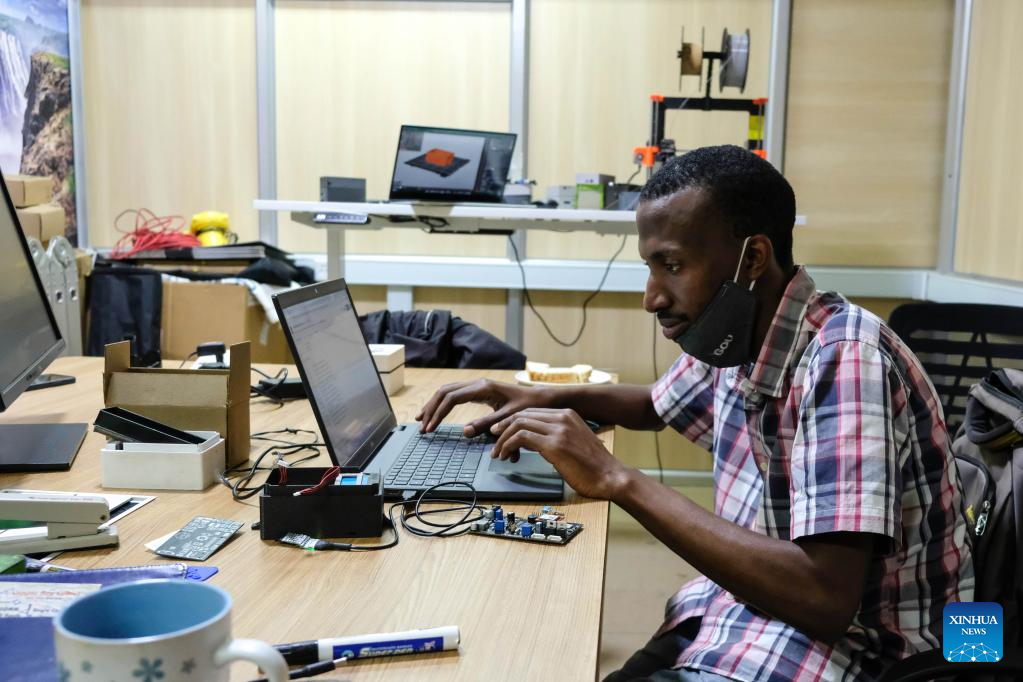
The system is designed by AirQo, a software company bringing together 15 scientists at the university. It has two components, the hardware and software. The hardware has a palm size metallic box, with air sensors attached. The box is fixed at a desired place, from where it sends data to the cloud through the internet.
The box is connected to the grid in order for it to run and according to Marvin Banda, a systems developer at AirQo, there are plans to connect the boxes to a solar system especially in areas that are not connected to the national power grid.
Banda told Xinhua that the data collected by the device is uploaded onto a cloud system from which a consumer can download real time air quality data of a place of choice using the AirQo application.
"The application can also advise accordingly, for example, if the air quality in a given area is not good, and you have children who are athematic, the application will advise that children stay indoors until the hazardous air is not anymore," Banda said.
Authorities can also use the air quality information to make informed decisions regarding control of air pollution, according to Banda.
Authorities, for instance in the capital Kampala, have been trained on how to analyze, interpret and understand air quality data thereby taking informed policies and actions, according to AirQo. Read More…