Uganda sets sights on reducing aflatoxin burden
-
 Loading...
 - Abel Okello
- 22 Jun 2022
- 216 Views
- 0 Like
- 0 Comment
The government of Uganda has started a campaign to tackle the high levels of aflatoxin in food.
The call, supported by Oxfam, the Uganda National Bureau of Standards (UNBS), the Grain Council of Uganda and the International Institute for Tropical Agriculture, came ahead of World Food Safety Day this year.
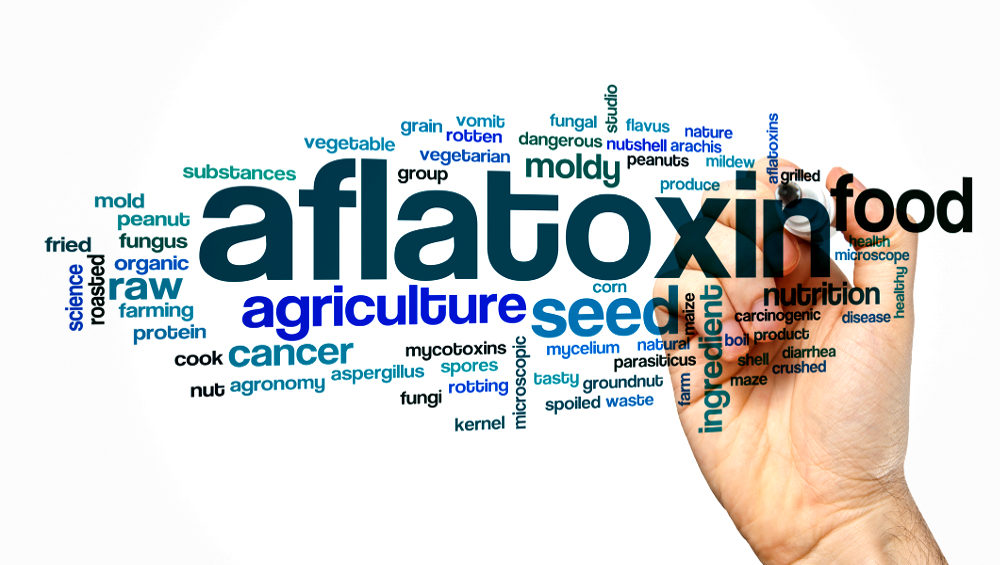
Aflatoxins are mycotoxins produced by molds and can affect produce that is not well-dried. High levels can also contaminate food crops like cereals, legumes, oil crops and others, posing a serious health risk to humans and livestock. Based on past research, consuming foods with high aflatoxin levels increases the risk of liver cancer and other related diseases.
High aflatoxin limits were also described as a “major barrier” to the export of Uganda’s agricultural produce to the East African region and internationally. Contamination can also cause crop loss, contributing to hunger.
The campaign is aimed at creating awareness and training all stakeholders in the value chain, from the farm to the final consumer, on how to handle food to avoid contamination.
Roles for different stakeholders
Officials said farmers are key stakeholders in the fight and they should adopt good agricultural practices to ensure the right moisture content in food to eliminate high aflatoxin levels. This includes ensuring food crops are harvested when dry, storing food on pallets and not on the floor and covering harvested food during the rainy season.
Traders and manufacturers should test moisture content of produce to ensure it is not more than the recommended 13 percent, and use an aflatoxin testing kit to ensure that levels do not exceed 10 parts per billion, before in putting it in the production chain.
Transporters were told to protect produce from rain and dust and offload it as soon as possible, upon delivery. They should also ensure it is dried to the required moisture content before transportation.
Consumers were advised to buy and consume foods certified by UNBS and report any distributor or dealer of expired or sub-standard products to the police. Read More…