UK government under fire for investing overseas aid in fossil fuel firms
-
 Loading...
 - Antonio keila
- 08 Jun 2023
- 79 Views
- 0 Like
- 0 Comment
The UK government is facing criticism for allocating taxpayers' funds to fossil fuel companies, a Kenyan hospital accused of imprisoning patients unable to afford treatment, and a business in the Democratic Republic of the Congo that exposed workers to hazardous chemicals and dumped untreated industrial waste.
Members of Parliament (MPs) raised concerns about these investments during a two-hour session in parliament on Tuesday. Andrew Mitchell, the minister for development, received strong criticism for providing overseas aid to a company owned by Africa's wealthiest individual, which is suspected of causing significant environmental harm.
British International Investment (BII), owned by the Foreign, Commonwealth, and Development Office, has made investments worth tens of millions of pounds. BII's purpose, as stated on its website, is to provide funds for addressing major global development challenges, including the impact of the climate crisis, unemployment, and poverty reduction in Africa, Asia, and the Caribbean.
During his tenure as the minister for development, Mitchell emphasized placing BII at the forefront of development finance. However, the international development committee of MPs revealed that BII has at least 20 investments in fossil fuel companies, as reported by Open Democracy last year. The committee also discovered that BII, through a third party, has invested in Dangote Industries, owned by Africa's richest person, Aliko Dangote.
Mitchell defended the investments, stating that the wealth of Mr. Dangote should not hinder business opportunities or investment cooperation. He believed that if Mr. Dangote co-invests with BII in various industries, his affluence can be seen as encouraging.
Sarah Champion, chair of the international development committee, condemned the investment, stating that development funds should not be used to partner with extremely wealthy individuals at the outset. She viewed such funds as pioneering capital intended to attract other investors.
Dangote Industries is a conglomerate that owns Dangote Cement, the leading cement producer in Africa, and operates Nigeria's largest coal mining operation.
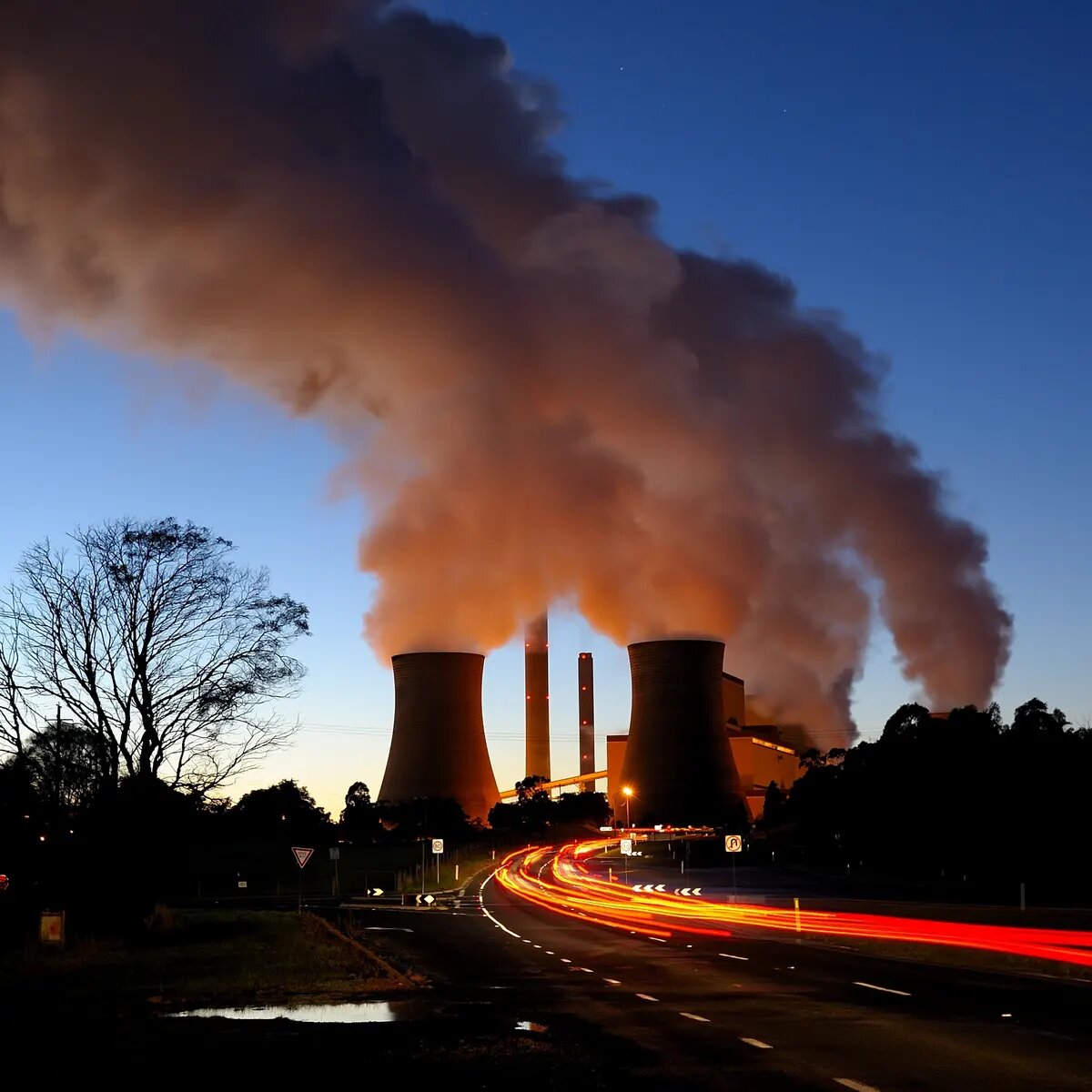
MPs raised questions about the compatibility of investments in major polluters with the UK's commitment to the Paris Agreement of 2015. This agreement aims to limit global warming to 1.5 degrees Celsius or below by 2030, a commitment the UK has pledged to uphold.
Mitchell acknowledged that investments were made based on instructions from the shareholder at the time, and he couldn't determine if they would be permissible under current circumstances. He emphasized the expectation that all investments must align with the goals of the Paris Agreement.
MPs also expressed concerns about funds provided to the China National Investment and Guaranty Corporation, which is associated with China's Belt and road initiative. This initiative aims to develop new trade routes connecting China with other parts of the world. The project has been viewed with suspicion in the UK and other countries, including the US, raising significant concerns about future security, according to Chris Law, a member of the international development committee.
Questions were also raised about BII's investments in Feronia, a palm oil business in the Democratic Republic of the Congo (DRC). Feronia has been accused of various human rights abuses, including exposing workers to dangerous chemicals and pesticides while dumping untreated industrial waste. Mitchell acknowledged that the investment in Feronia was extremely complex and difficult, but he believed that BII no longer held it.
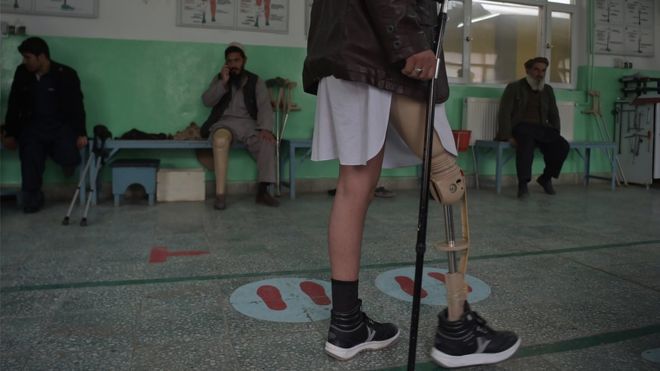
The committee also inquired about BII's investment in a women's hospital in Nairobi accused of detaining patients who couldn't afford medical bills and charging impoverished women over £1,300 for childbirth. Mitchell admitted that there had been a significant issue but assured the committee that steps had been taken to rectify the situation.
MPs noted that journalists and charities had uncovered both of these situations, raising concerns about safeguarding and transparency. Mitchell expressed support for scrutiny and expressed hope for further emphasis on transparency.