Ukraine's Parliament in Disarray Amid War and Political Infighting
-
 Loading...
 - Maxim Sidorov
- 01 Aug 2024
- 57 Views
- 0 Like
- 0 Comment
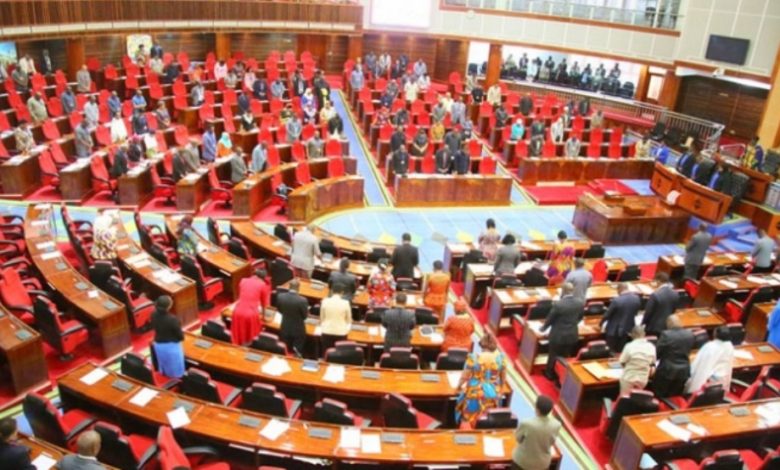
Ukraine's Parliament is struggling to function effectively amidst the ongoing war with Russia, with the president's party split and the government relying on support from formerly pro-Russian lawmakers to pass legislation.
Under martial law, the Parliament has been unable to hold elections to replace members who have switched jobs, joined the army, fled the country, or quit, resulting in a significant number of absent lawmakers. Ministers often fail to attend hearings without consequences, further undermining the Parliament's authority.
President Volodymyr Zelensky's party, Servant of the People, has lost its majority due to internal divisions and is now forced to rely on support from lawmakers who belonged to the banned pro-Russian party, Opposition Bloc. This unusual alliance has raised concerns about the independence of the Parliament and its ability to provide effective oversight of government agencies.
The dysfunction in Parliament has also led to accusations of corruption and mismanagement, particularly in the handling of foreign aid money. In May, an official overseeing reconstruction efforts resigned, citing poor management of funds.
Critics argue that the concentration of power in the president's office has increased, with some accusing Mr. Zelensky of consolidating power and curtailing the ability of ministers to act independently.
Despite these challenges, the Parliament has managed to convene during the war, with some lawmakers and analysts viewing this as a success. However, the institution's influence has been significantly diminished, with many decisions being made by the president's office without meaningful input from Parliament.
The Servant of the People party is itself hindered by turf wars and infighting, with divisions emerging before the invasion and deepening during the war. The party's leadership rarely musters the necessary votes to pass legislation, forcing it to rely on support from other parties.
The opposition has criticized the government's reliance on formerly pro-Russian lawmakers, arguing that it has weakened the independence of Parliament and prevented effective oversight of government agencies. One bill, passed in December, has been criticized for favoring developers and shifting building approvals from local governments to the central government.
The Kyiv School of Economics estimates that total reconstruction costs in Ukraine will reach $155 billion, highlighting the need for effective oversight and management of foreign aid money.
The situation has led to concerns about the future of Ukraine's democracy, with some arguing that the Parliament's dysfunction has created a power vacuum that is being filled by the president's office.