Ukraine's Surprise Advance into Russia Creates a Dilemma for Biden
-
 Loading...
 - Julia Gibson
- 16 Aug 2024
- 53 Views
- 0 Like
- 0 Comment
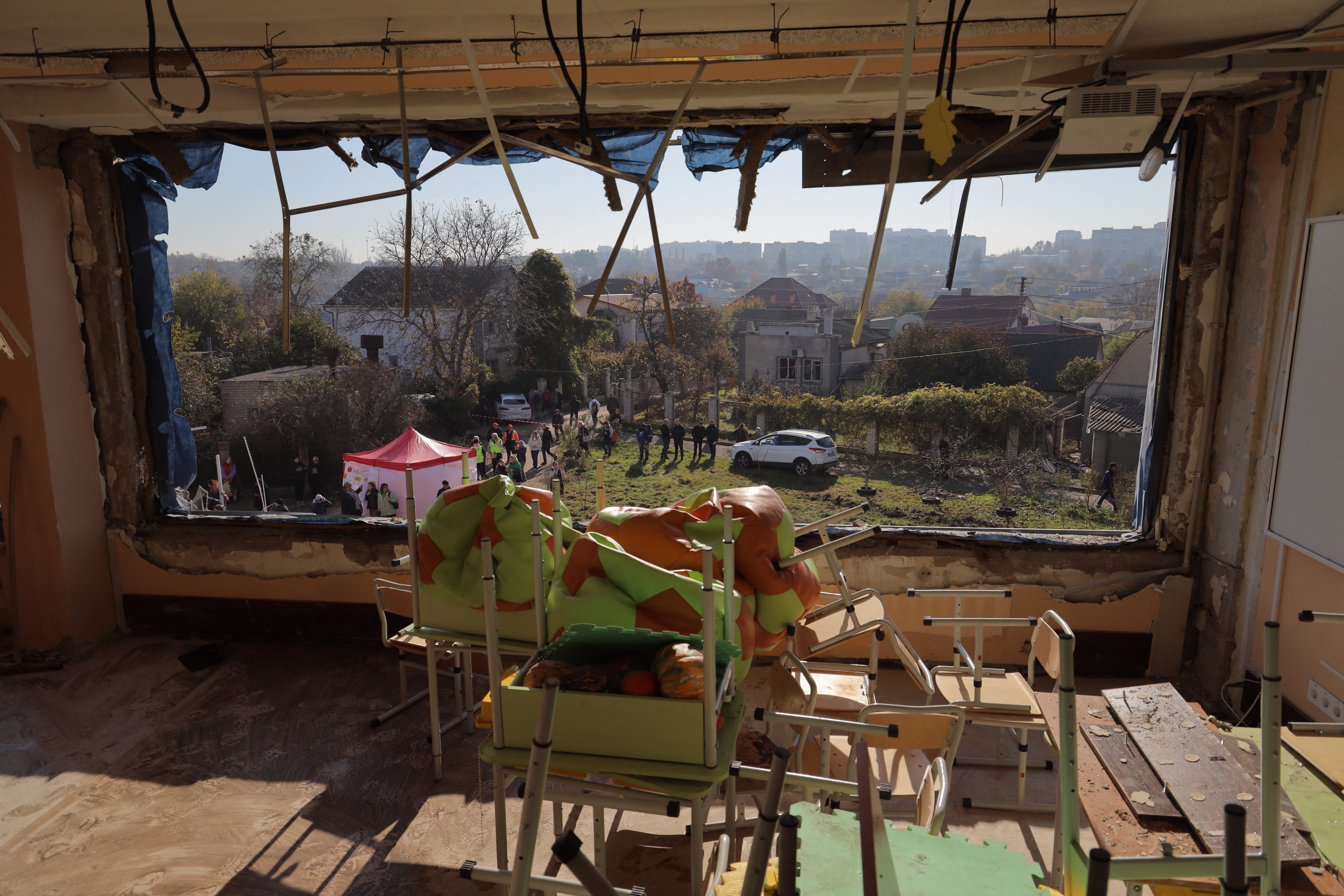
Ukraine's recent lightning assault into Russia's Kursk region has caught both Russian and Western leaders by surprise, and has raised a series of urgent questions for the White House. The incursion, which is the largest into Russia by a foreign military since World War Two, has highlighted one of the riskiest dilemmas for the Western-backed defense of Ukraine: how to empower Kyiv to push back Russia's invasion without risking an American escalation with Moscow.
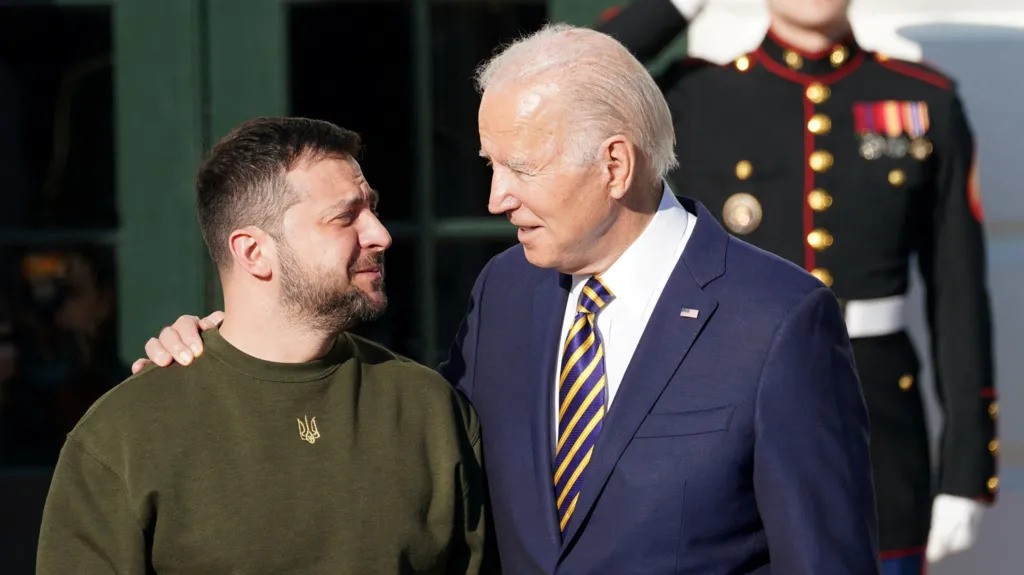
President Biden has consistently tried to put clear limits on US policy to deflate the narrative that the conflict is a war between Russia and the West, and to prevent a conflagration. However, Ukraine's Kursk assault has raised questions about whether the US will rapidly expand the boundaries of its set limits for how Ukraine can use American and NATO weapons systems, and whether it will risk crossing Russia's red lines over Western involvement in the war.
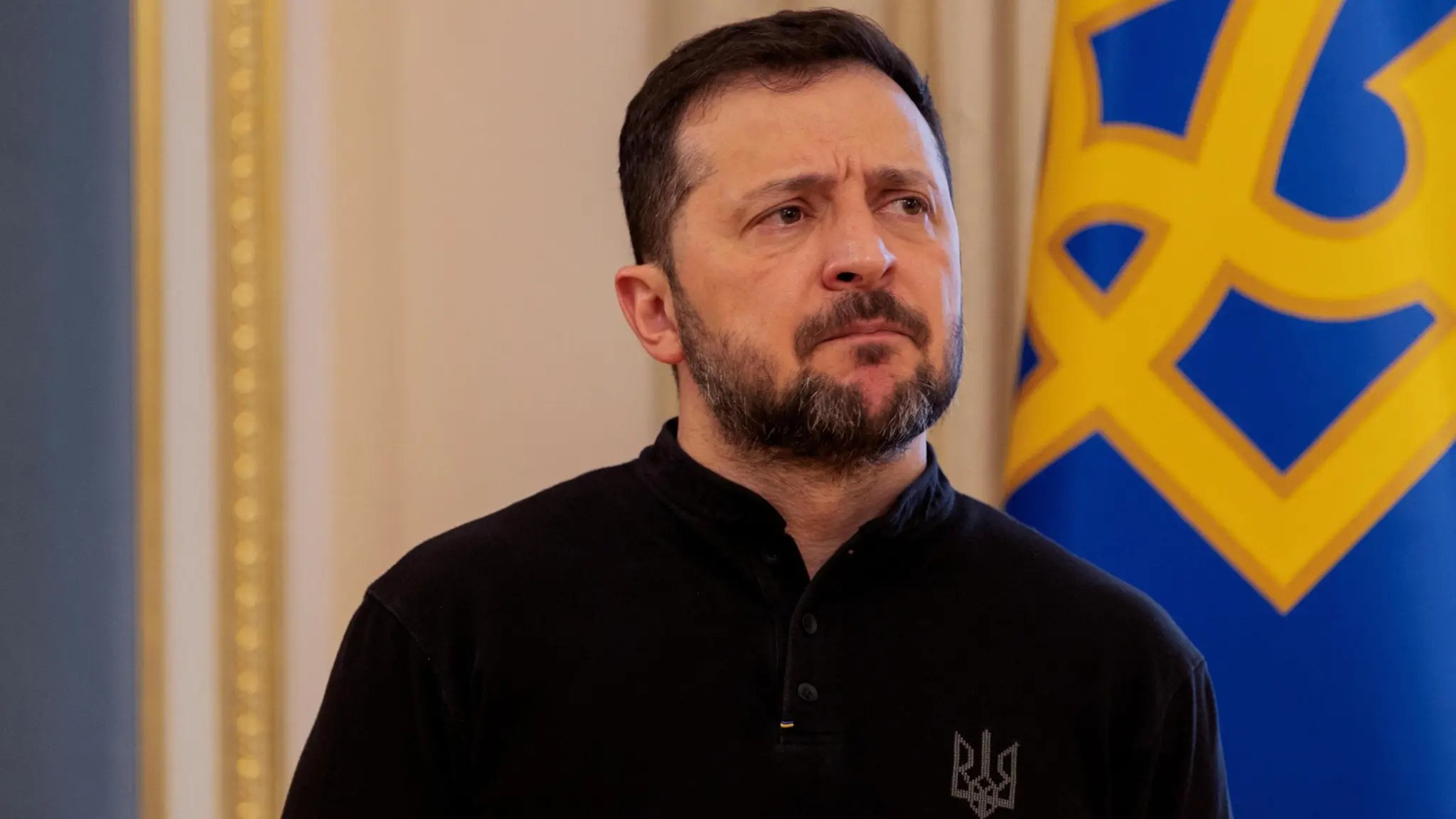
Despite the risks and uncertainty, there is a sense of surprised admiration among some in Washington at President Zelensky's move. The administration insists that Ukraine gave it no advance warning of the assault, and that the US had "nothing to do" with it. However, it is clear that US-provided weapons, including HIMAR rocket launchers, were critical to the advance.
The US is the single biggest arms supplier to Ukraine, and has authorized its 63rd tranche of equipment in three years, including Stinger missiles and artillery shells. However, President Biden's approach has been characterized by a refusal to send more advanced weapons, including HIMARS rockets, Patriot missile defense systems, and F-16 fighter jets, before later changing his mind.
The White House policy on Ukrainian attacks into Russian territory has also been evolving. In May, President Biden authorized the use of US weapons to strike across the border into Russia, but only in a limited range from the Kharkiv region. The permission was later extended to any point along the border where Russian forces were preparing to attack Ukraine.
However, President Zelensky has urged the US to further "untie" Ukraine's hands, specifically to use American-provided ATACMS or long-range missiles to fire deep into Russia to take out drone or missile launch sites. Washington has refused, citing concerns about escalating the conflict.
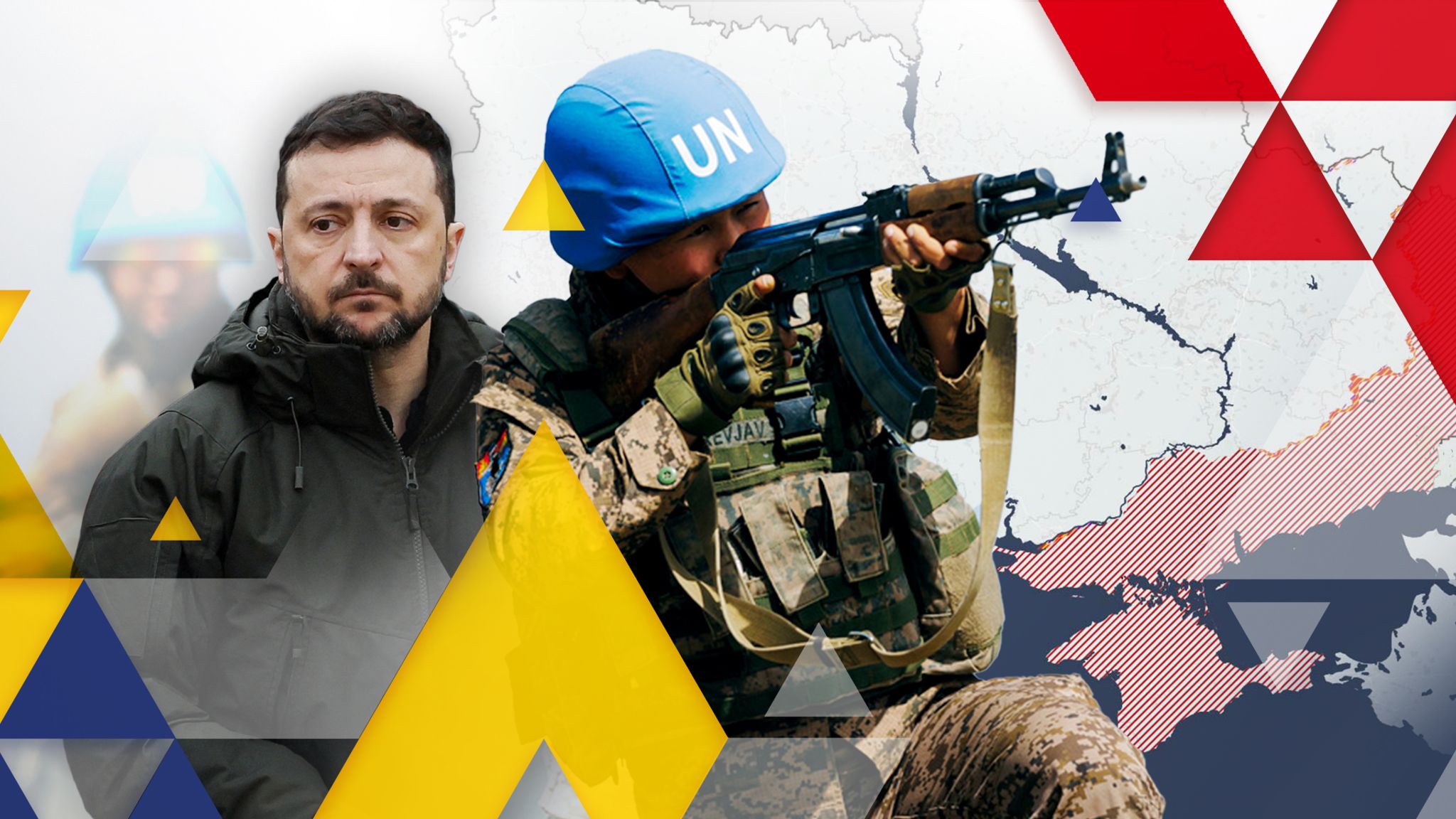
The Kursk offensive has taken America's dilemma into unexpected territory, literally and figuratively. Ukraine's incursion is a cross-border ground assault, reportedly involving anywhere between 5,000 to 12,000 troops. The US is still working out what it means for the state of the battlefield, the future of the war, and how this is affecting Putin's calculations.
Ultimately, President Biden's stance could be summed up as this: Ukraine can decide how best to defend itself using American weapons, including strikes across the border, but within very clear limits - including not using long-range missiles. The Kursk offensive has raised questions about whether these limits will be expanded, and what the consequences will be for the conflict and for US-Russia relations.