Ukraine war: Five of the most viral misinformation posts and false claims since the conflict began
-
 Loading...
 - Ingrid Crecelius
- 04 Oct 2022
- 63 Views
- 0 Like
- 0 Comment
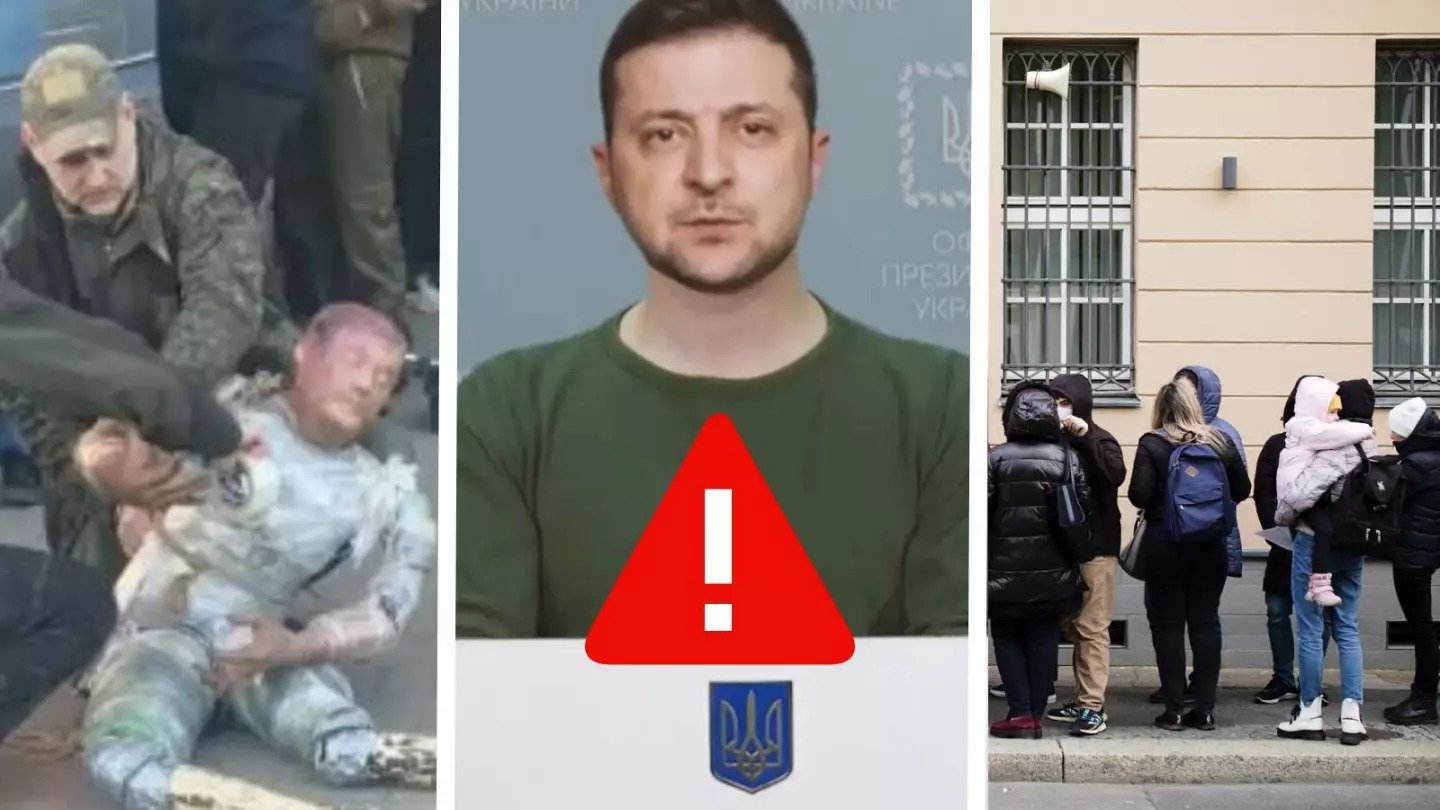
As with any conflict or international crisis, Russia's war in Ukraine has provided fertile ground for online misinformation to grow and spread.
False claims were being spread by pro-Russian and even pro-Ukrainian accounts even before Moscow launched its full-scale invasion on 24 February.
Amid an online war of propaganda, both state authorities and individual social media users continue to share misleading rumours.
And the subject of misinformation has appeared to evolve over the last six months of fighting. Euronews' social media newsdesk, The Cube, takes a look at five of the most viral false claims.
1. Outdated clips and the 'Ghost of Kyiv'
Within hours of Russia launching its invasion, misleading videos of unrelated explosions were watched by thousands of people.
A number of users quickly shared footage of blasts in Tianjin, China, and Beirut, Lebanon — claiming it showed Russian bombs hitting "Ukrainian headquarters".
The clips were widely spread on Facebook, Twitter, TikTok, and other platforms, with the dramatic — but unrelated — footage capturing users' attention.
At the same time, other social media users began sharing unfounded folk stories about Ukrainian acts of bravery.
Arguably the most famous of these concerns the so-called "Ghost of Kyiv" fighter ace, who is claimed to have single-handedly destroyed six Russian planes in a matter of hours at the very start of the invasion.
Outdated footage from video games or military exercises was shared alongside the rumour, garnering millions of views. Read More...