Ukrainians Demand Their Place in Art History
-
 Loading...
 - Tanit Ramses
- 24 Jan 2023
- 66 Views
- 0 Like
- 0 Comment
No one would call an artist from India “British” or an artist from Peru “Spanish,” so why do museums continue to label Ukrainian artists as “Russian”?
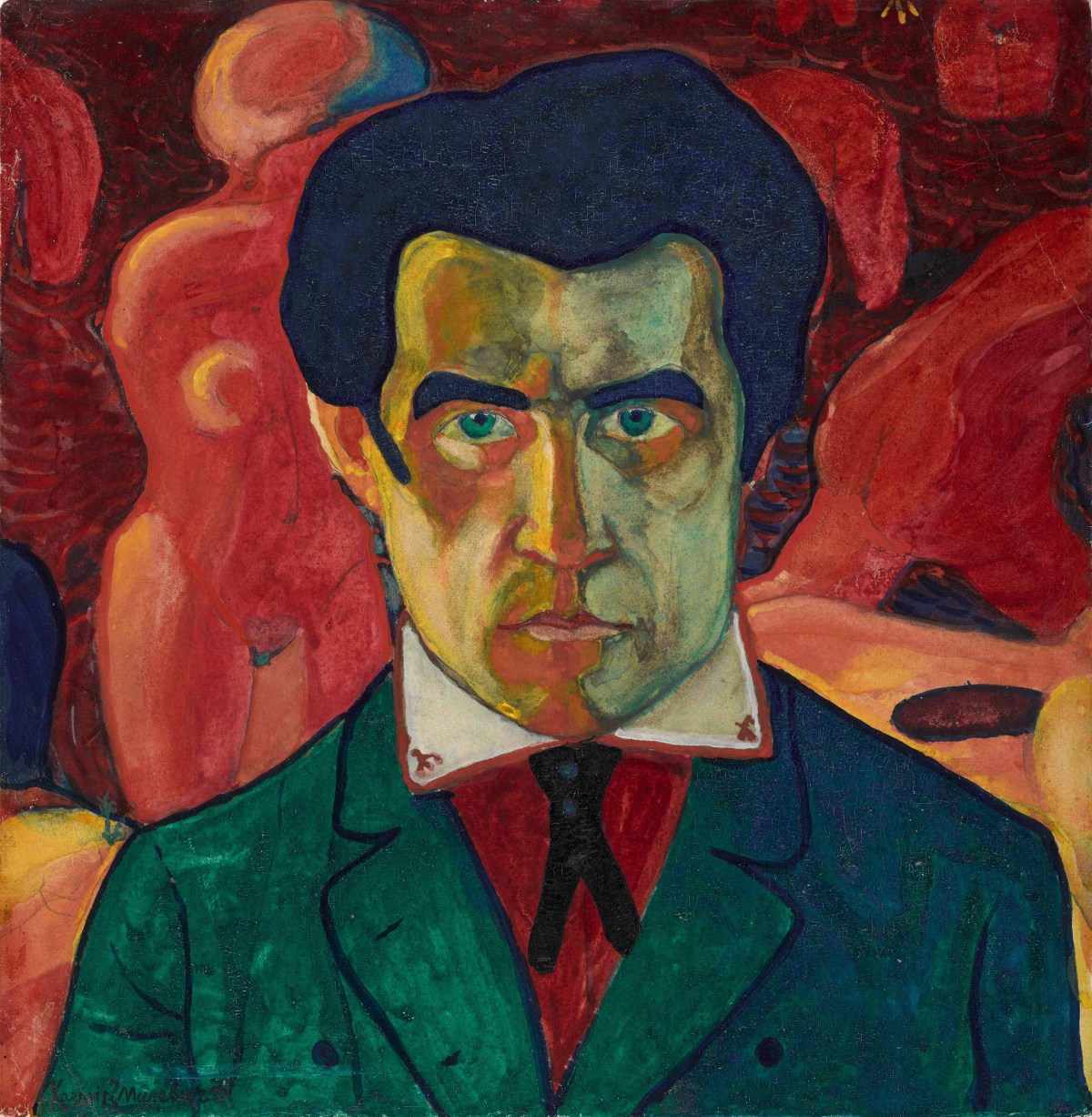
When Eastern Europeans visit an art museum abroad, they are, by default, forced to admit that things they consider native do not belong to them. The power to call their cultural heritage theirs is stripped away. Whenever they venture into a gallery space somewhere in the United States, they find out, much to their dismay, that expressionist Oskar Kokoschka was British; modernist Marc Chagall was French; avantgardists Oleksandra Ekster and Kazymyr Malevych were Russian, and so on.
That is exactly what happened to me, an art journalist from Ukraine who recently enrolled at the School of the Art Institute of Chicago (SAIC), when I first visited the Art Institute last fall. The thrill of recognizing works by Malevych and Ekster in the permanent collection of one of the world’s biggest and most important museums was poisoned by captions indicating their national origin.
On display at the AIC, Ekster was identified as “Russian, born Poland,” and her biography on the museum website read: “A pioneering figure in the Russian avant-garde, Polish-born Alexandra Exter was a painter and designer active in Moscow and Kiev before settling in Paris ….” Kazymyr Malevych was “Russian, born Kiev (now Ukraine)” and on the museum’s website “Russian, born Ukraine” (italics are mine.) Read More…