Understanding Industry Best Practices, Guidelines, and Ethics for Collaborative and Industrial Robots
-
 Loading...
 - David Bozic
- 23 Sep 2022
- 79 Views
- 0 Like
- 0 Comment
Many people think about the robotic arm or humanoid robot at the mention of robotics. However, robotics is extensive, with applications in nearly every essential domain such as defense, aerospace, medical, automotive, space, and industrial.
A large percentage of these applications are mission or safety-critical. As a result, both manufacturers and users should consider the security and safety of these robots to protect humans from injury and businesses from losses.
Robots are categorized according to their application types. For example, there are service robots and industrial robots. Service robots often assist human beings in the household, educational, and defense fields, while industrial robots are used in manufacturing and logistics. Read on for more insights on industrial robots.
Industrial Robots
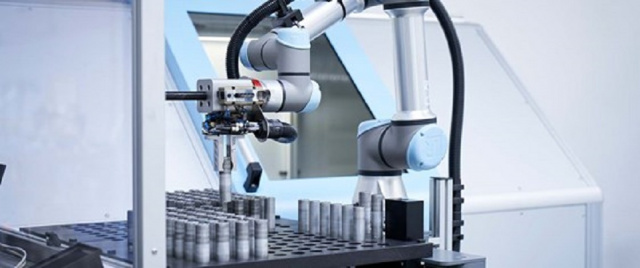
Industrial robots are used in industrial automation to facilitate automatic rotation, movement, and control around different axes. These robots can be fixed or mobile. An example, in this case, would be serial manipulators and hand-guided robots. The collaborative robot is an improved version of industrial robots. They interact with humans and operate alongside them through end effectors.
Importance of Software Standards
The robotics industry has been evolving tremendously. So, manufacturers and users must learn from past mistakes, seeing that robots failed following power disruption, mechanical failure, environmental factors, and software problems. Project managers must establish strategies to avoid robot failure to protect humans from injury.
Sometimes robotic failure occurs due to avoidable errors like failure to countercheck the allocated memory range in the object constructor. Still, some software problems are rare, even though some studies suggest that software is more susceptible to failure than hardware.
Developers should consider numerous security and safety issues to build reliable software. For instance, they must adhere to the laid down industry standards, which allow them to uphold best practices and avert bugs when writing robotics software. Read More...