Unofficial TikTok Downloads Surge in the US
-
 Loading...
 - Ahmad Salah
- 13 Feb 2025
- 41 Views
- 0 Like
- 0 Comment
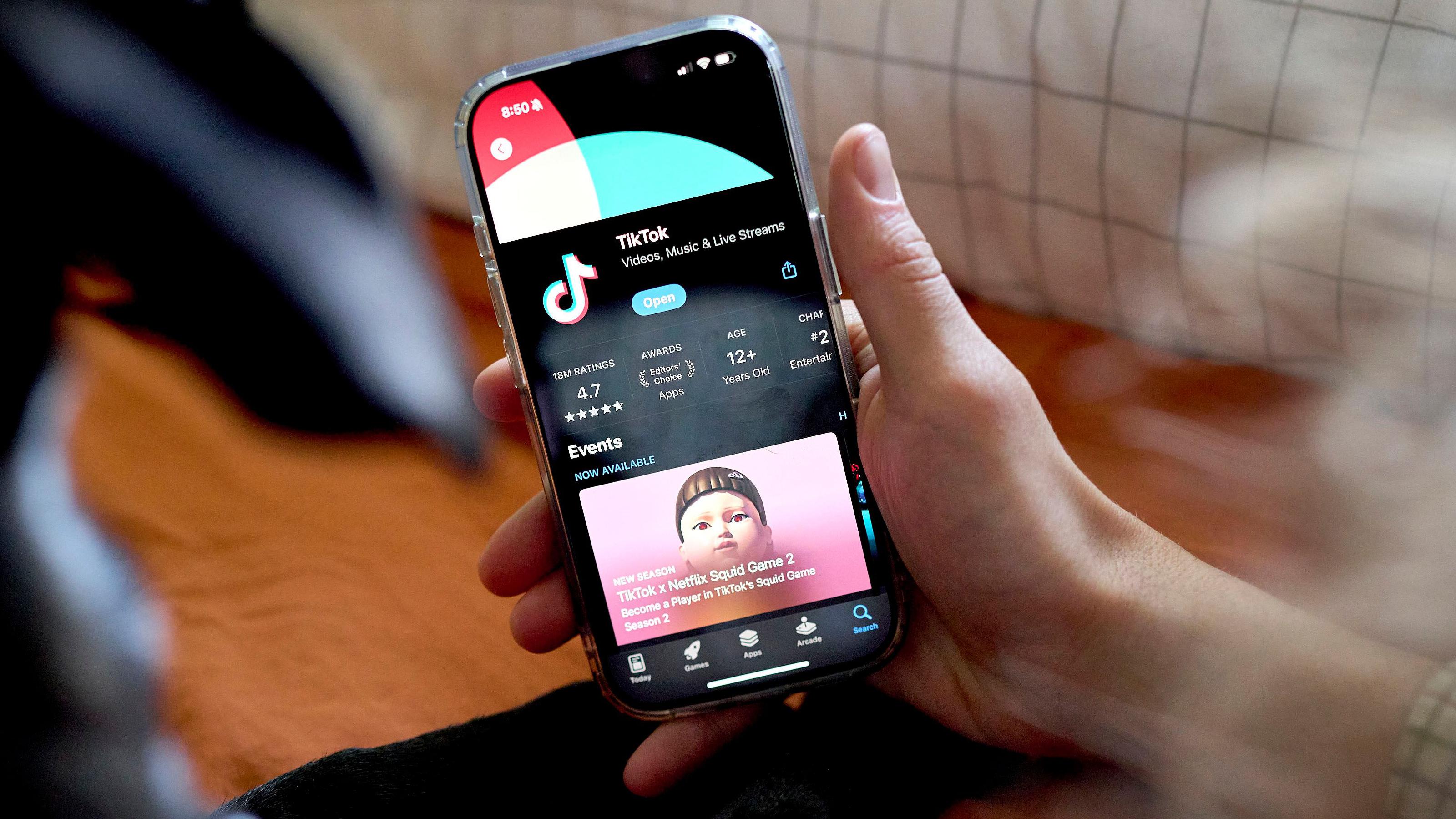
The uncertain future of TikTok in the United States has led to a significant increase in users downloading the app through unofficial means. Despite an executive order from President Donald Trump allowing the app to remain operational, the Supreme Court's upholding of a law that could lead to its sale or ban has created confusion among users. As a result, both Apple and Google have restricted new downloads of TikTok, prompting many to resort to "sideloading" the app.
Sideloading involves downloading apps from third-party sites rather than official app stores, often referred to as black markets. One such service, Signulous, reported that around 120,000 users have utilized its platform to install TikTok on iPhones, with downloads peaking at over 2,000 per hour at times. Neil Pomperleau from Signulous noted that the demand for sideloading has surged, reflecting the challenges users face in accessing the app through traditional channels.
In addition to sideloading, many users are turning to virtual private networks (VPNs) to bypass restrictions, allowing them to appear as if they are in countries where TikTok is not banned, such as Canada. Google data indicates that searches for "VPN" reached an all-time high last month, highlighting the lengths to which users are going to access the platform.
Experts suggest that enforcing a ban on TikTok would be difficult, especially given the current legal landscape. While it is not illegal to download TikTok, distributing it has been ruled against by US lawmakers. However, both Trump and his successor, Joe Biden, have indicated that they would not enforce this ruling. This creates a legal gray area for unofficial app shops, which often charge fees to guide users through the sideloading process, albeit with increased risks of downloading faulty or malicious software.
Pomperleau acknowledges the precarious nature of his business, stating, "We're sort of operating on this pinky swear from two different US presidents that they won't enforce this law." TikTok itself seems to be adapting to the situation; it recently released a download kit to facilitate sideloading for Android users, recognizing the growing trend.
Another sideloading service, AppDB, has also seen a surge in activity, with nearly 95,000 TikTok downloads and a doubling of its membership since the ban was discussed. Users like Dewayne Puckett, who sideloaded TikTok, report that the app functions normally despite the unconventional installation method.
Apple has long argued that sideloading poses security risks, emphasizing the importance of vetting apps through its official App Store. The company charges a commission for app usage on its platform, which it claims is necessary for consumer protection. However, this fee has sparked controversy, especially as Apple faces pressure to allow alternative app stores in the EU due to new regulations aimed at increasing competition.
As the situation with TikTok continues to evolve, it remains clear that users are determined to find ways to access the app, regardless of the challenges posed by official restrictions.