Home Upload Photo Upload Videos Write a Blog Analytics Messaging Streaming Create Adverts Creators Program
Bebuzee Afghanistan Bebuzee Albania Bebuzee Algeria Bebuzee Andorra Bebuzee Angola Bebuzee Antigua and Barbuda Bebuzee Argentina Bebuzee Armenia Bebuzee Australia Bebuzee Austria Bebuzee Azerbaijan Bebuzee Bahamas Bebuzee Bahrain Bebuzee Bangladesh Bebuzee Barbados Bebuzee Belarus Bebuzee Belgium Bebuzee Belize Bebuzee Benin Bebuzee Bhutan Bebuzee Bolivia Bebuzee Bosnia and Herzegovina Bebuzee Botswana Bebuzee Brazil Bebuzee Brunei Bebuzee Bulgaria Bebuzee Burkina Faso Bebuzee Burundi Bebuzee Cabo Verde Bebuzee Cambodia Bebuzee Cameroon Bebuzee Canada Bebuzee Central African Republic Bebuzee Chad Bebuzee Chile Bebuzee China Bebuzee Colombia Bebuzee Comoros Bebuzee Costa Rica Bebuzee Côte d'Ivoire Bebuzee Croatia Bebuzee Cuba Bebuzee Cyprus Bebuzee Czech Republic Bebuzee Democratic Republic of the Congo Bebuzee Denmark Bebuzee Djibouti Bebuzee Dominica Bebuzee Dominican Republic Bebuzee Ecuador Bebuzee Egypt Bebuzee El Salvador Bebuzee Equatorial Guinea Bebuzee Eritrea Bebuzee Estonia Bebuzee Eswatini Bebuzee Ethiopia Bebuzee Fiji Bebuzee Finland Bebuzee France Bebuzee Gabon Bebuzee Gambia Bebuzee Georgia Bebuzee Germany Bebuzee Ghana Bebuzee Greece Bebuzee Grenada Bebuzee Guatemala Bebuzee Guinea Bebuzee Guinea-Bissau Bebuzee Guyana Bebuzee Haiti Bebuzee Honduras Bebuzee Hong Kong Bebuzee Hungary Bebuzee Iceland Bebuzee India Bebuzee Indonesia Bebuzee Iran Bebuzee Iraq Bebuzee Ireland Bebuzee Israel Bebuzee Italy Bebuzee Jamaica Bebuzee Japan Bebuzee Jordan Bebuzee Kazakhstan Bebuzee Kenya Bebuzee Kiribati Bebuzee Kuwait Bebuzee Kyrgyzstan Bebuzee Laos Bebuzee Latvia Bebuzee Lebanon Bebuzee Lesotho Bebuzee Liberia Bebuzee Libya Bebuzee Liechtenstein Bebuzee Lithuania Bebuzee Luxembourg Bebuzee Madagascar Bebuzee Malawi Bebuzee Malaysia Bebuzee Maldives Bebuzee Mali Bebuzee Malta Bebuzee Marshall Islands Bebuzee Mauritania Bebuzee Mauritius Bebuzee Mexico Bebuzee Micronesia Bebuzee Moldova Bebuzee Monaco Bebuzee Mongolia Bebuzee Montenegro Bebuzee Morocco Bebuzee Mozambique Bebuzee Myanmar Bebuzee Namibia Bebuzee Nauru Bebuzee Nepal Bebuzee Netherlands Bebuzee New Zealand Bebuzee Nicaragua Bebuzee Niger Bebuzee Nigeria Bebuzee North Korea Bebuzee North Macedonia Bebuzee Norway Bebuzee Oman Bebuzee Pakistan Bebuzee Palau Bebuzee Panama Bebuzee Papua New Guinea Bebuzee Paraguay Bebuzee Peru Bebuzee Philippines Bebuzee Poland Bebuzee Portugal Bebuzee Qatar Bebuzee Republic of the Congo Bebuzee Romania Bebuzee Russia Bebuzee Rwanda Bebuzee Saint Kitts and Nevis Bebuzee Saint Lucia Bebuzee Saint Vincent and the Grenadines Bebuzee Samoa Bebuzee San Marino Bebuzee São Tomé and Príncipe Bebuzee Saudi Arabia Bebuzee Senegal Bebuzee Serbia Bebuzee Seychelles Bebuzee Sierra Leone Bebuzee Singapore Bebuzee Slovakia Bebuzee Slovenia Bebuzee Solomon Islands Bebuzee Somalia Bebuzee South Africa Bebuzee South Korea Bebuzee South Sudan Bebuzee Spain Bebuzee Sri Lanka Bebuzee Sudan Bebuzee Suriname Bebuzee Sweden Bebuzee Switzerland Bebuzee Syria Bebuzee Taiwan Bebuzee Tajikistan Bebuzee Tanzania Bebuzee Thailand Bebuzee Timor-Leste Bebuzee Togo Bebuzee Tonga Bebuzee Trinidad and Tobago Bebuzee Tunisia Bebuzee Turkey Bebuzee Turkmenistan Bebuzee Tuvalu Bebuzee Uganda Bebuzee Ukraine Bebuzee United Arab Emirates Bebuzee United Kingdom Bebuzee Uruguay Bebuzee Uzbekistan Bebuzee Vanuatu Bebuzee Venezuela Bebuzee Vietnam Bebuzee World Wide Bebuzee Yemen Bebuzee Zambia Bebuzee Zimbabwe
Blog Image

Unusual gene evolution in bacteria

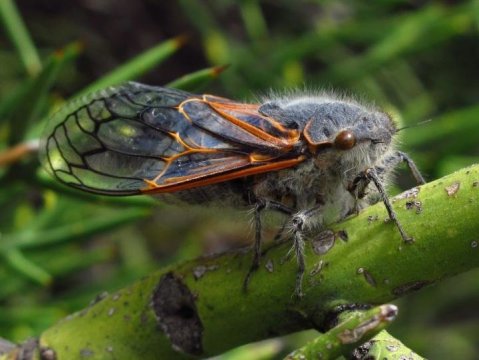
A Chilean cicada, which hosts particularly unusual symbiotic bacteria. Credit: Piotr Lukasik

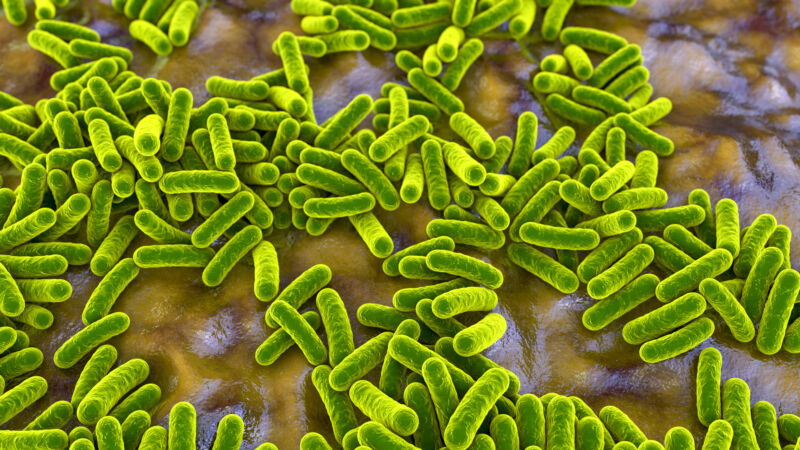
University of Montana researchers have made another discovery at the cellular level to help understand the basic processes of all life on our planet -- this time within the unusual bacteria that has lived inside cicada insects since dinosaurs roamed Earth.

During the past 70 million years, the bacteria underwent extreme adaptations to live within the insects' bodies, losing between an estimated 95 to 97 percent of their genes and resulting in some of the smallest genomes known to any organisms. In the process, they lost the ability to live anywhere outside of cicadas.

"Cicada symbiotic complexes are very different from any other known organism," said Matt Campbell, a UM graduate student who studies cicadas in UM biology Associate Professor John McCutcheon's lab, based in the Division of Biological Sciences.

Many insects live in very close associations with beneficial, or "symbiotic," bacteria. These bacterial symbioses are critically important for insects that consume only one type of food that is missing some essential nutrients. Examples include blood-feeding lice as well as insects that feed on plant sap -- aphids, leafhoppers and cicadas.

The UM research has shown that cicadas' symbiotic bacteria produce amino acids and vitamins that their insect hosts require to grow and reproduce. During three field seasons studying a South American cicada, UM postdoctoral researcher Piotr Lukasik found many of the species' single symbiotic bacterium evolved into complexes of several different types of bacterium in the same cicada.

"Through that process, individual bacteria have lost many genes and now depend on each other because every type contains unique, essential genes," Lukasik said. "The different types must all work together to provide the amino acids and vitamins their cicada host requires."

A different species of cicada, located in the eastern U.S., contains dozens of small, rapidly evolving types of bacterium. Individual types typically contain few recognizable genes and are distributed among different cellular compartments within a cicada in a way that is not fully understood.

"Cicadas host symbiotic complexes rather than a single, well-behaved bacteria, which could be a challenge for the species," Lukasik said. "After all, when you need a meal -- whether it is a vitamin required by a cicada or a pizza craved by a hungry student -- it's easier to obtain it from a single source rather than cobbling it together from several different sources."

The researchers believe this evolution of bacterium happened by chance, and despite not being helpful to the cicada, the microscopic creatures must stay for the long haul because the cicada now requires them to survive.

"Indeed, the cicadas with the longest life cycles are also those with the craziest bacterial symbionts," Lukasik said.


Previous Post

First direct proof of ozone hole recovery due to chemicals ban

Next Post

Agricultural fungicide attracts honey bees

Comments