US Concerns Over China's Risky Actions in South China Sea: Blinken Warns ASEAN
-
 Loading...
 - Christina Bruce
- 11 Oct 2024
- 40 Views
- 0 Like
- 0 Comment
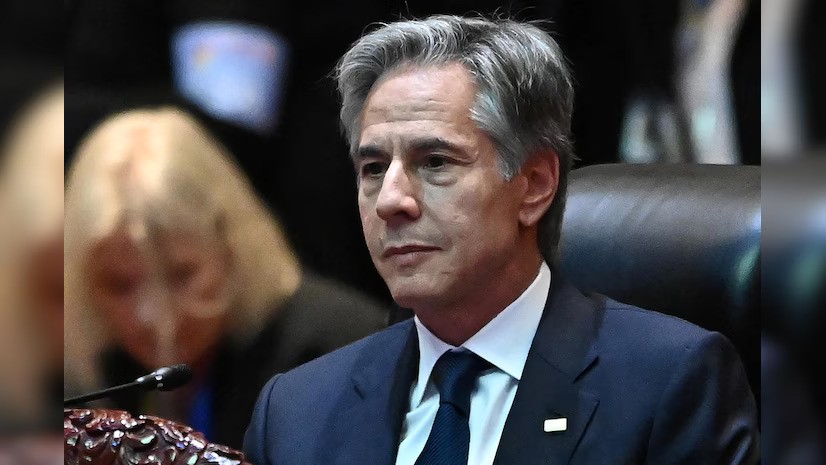
At the annual Association of Southeast Asian Nations (ASEAN) summit, US Secretary of State Antony Blinken expressed serious concerns about China's aggressive and unlawful actions in the disputed South China Sea, vowing that the United States would continue to uphold freedom of navigation and overflight in this critical sea trade route. Blinken, filling in for President Joe Biden, highlighted growing tensions following violent confrontations between Chinese vessels and those from ASEAN members Vietnam and the Philippines, which have raised fears of an escalating conflict.
China claims nearly the entire South China Sea, an area that is vital for global trade, accounting for about a third of global shipping. The region is also rich in fishing stocks, gas, and oil reserves. However, these claims overlap with those of ASEAN members Vietnam, the Philippines, Malaysia, Brunei, and Taiwan. In 2016, an international arbitration ruling in The Hague invalidated China's expansive claims, but Beijing has refused to recognize the ruling, further building up and militarizing islands in the contested waters.
In his opening remarks at the summit, Blinken condemned China’s "increasingly dangerous and unlawful activities" in the South China Sea, noting that such actions have injured people and damaged vessels belonging to ASEAN nations. He accused China of contradicting its commitments to peaceful dispute resolution and called on China to adhere to international law. Blinken reaffirmed the US's role in maintaining freedom of navigation in the Indo-Pacific, emphasizing its support for freedom of overflight and safe passage through the region.
Although the US has no territorial claims in the South China Sea, it frequently conducts naval and aerial patrols to challenge China's assertions of sovereignty over the waters. These operations, aimed at preserving the rules-based order, often spark friction between the two powers.
This year, Chinese and Philippine vessels have repeatedly clashed, escalating tensions in the region. Last week, Vietnam reported that its fishermen had been assaulted by Chinese forces in the disputed waters. Additionally, China has dispatched patrol vessels to areas claimed by Indonesia and Malaysia as exclusive economic zones, further exacerbating the situation.
The US has reiterated its defense commitment to the Philippines, a key treaty ally in Asia. The Mutual Defense Treaty obligates the US to defend Filipino forces, ships, or aircraft if they come under attack, including in the South China Sea. Philippine President Ferdinand Marcos Jr. voiced his frustrations during the summit, noting that China’s harassment and intimidation of Filipino vessels had left the South China Sea "tense and unchanged." He urged ASEAN and China to accelerate talks on a code of conduct to govern the disputed waters.
ASEAN members have been negotiating with China for years to establish a binding code of conduct for the South China Sea. While officials have agreed to finalize the code by 2026, talks have been stalled due to disagreements over whether the pact should be legally binding and enforceable. With Malaysia set to chair ASEAN next year, it is expected to push for quicker progress on these negotiations.
Singaporean leader Lawrence Wong warned earlier in the week of the "real risks of an accident spiraling into conflict" if the dispute is not resolved soon. He stressed the need for clear rules to avoid further confrontations.
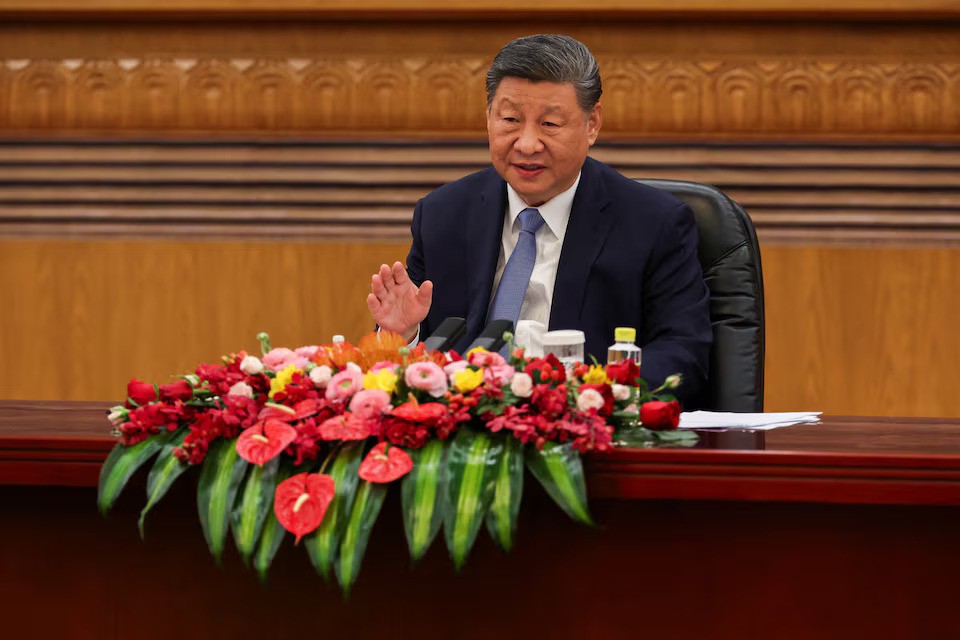
During the summit, Chinese Premier Li Qiang stood firm on Beijing’s stance, calling the South China Sea a shared home but defending China’s actions as a defense of its sovereign rights. Li also accused external forces—without directly naming the US—of meddling in regional affairs and stirring bloc confrontation.
In a strong response, Blinken underscored the importance of protecting stability across the Taiwan Strait, a point likely aimed at curbing China's influence over Taiwan, which Beijing claims as its territory. The US continues to stress its commitment to freedom of navigation in the strait, despite China’s objections to foreign patrolling in the waters separating it from Taiwan.
The summit also saw discussions on other regional issues, including the civil war in Myanmar, North Korea’s destabilizing activities, and Russia’s aggression in Ukraine. Blinken reaffirmed the US's role as the top foreign investor in Southeast Asia, emphasizing its long-term commitment to ASEAN and the broader Indo-Pacific region.
The growing tensions in the South China Sea remain a significant point of contention between China, its ASEAN neighbors, and the United States. While ASEAN members have to carefully navigate their relationship with China—both their largest trading partner and a major investor—they are also facing increasing pressure to address China’s aggressive actions in the region. Blinken’s warnings underscore the US’s stance on maintaining peace, stability, and the rules-based order in Southeast Asia, particularly through the protection of navigation rights and regional alliances. However, as ASEAN moves forward in its negotiations with China, it will need to balance economic interests with security concerns to avoid potential conflicts in these disputed waters.