US Senators Accuse Frontier & Spirit of Using Personal Information to Charge Higher Fees
-
 Loading...
 - Fiona Cullen
- 27 Jan 2025
- 188 Views
- 0 Like
- 0 Comment
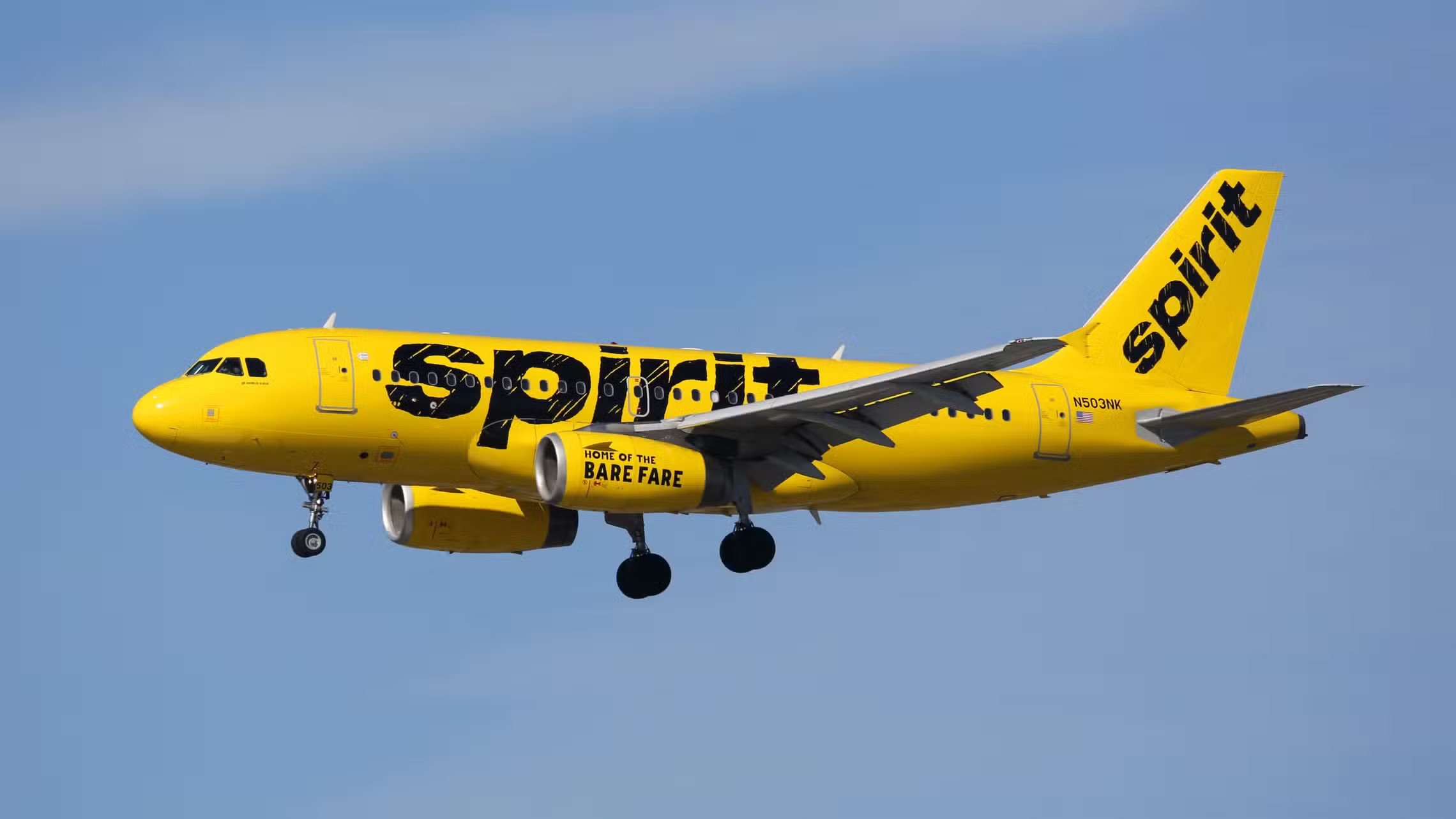
Two of the largest low-cost carriers in the United States, Frontier Airlines and Spirit Airlines, are facing scrutiny from U.S. Senators following a recent hearing where airline executives were evasive about how passenger data is utilized in determining ticket prices and fees. The inquiry raises significant concerns about transparency and potential misuse of personal information.
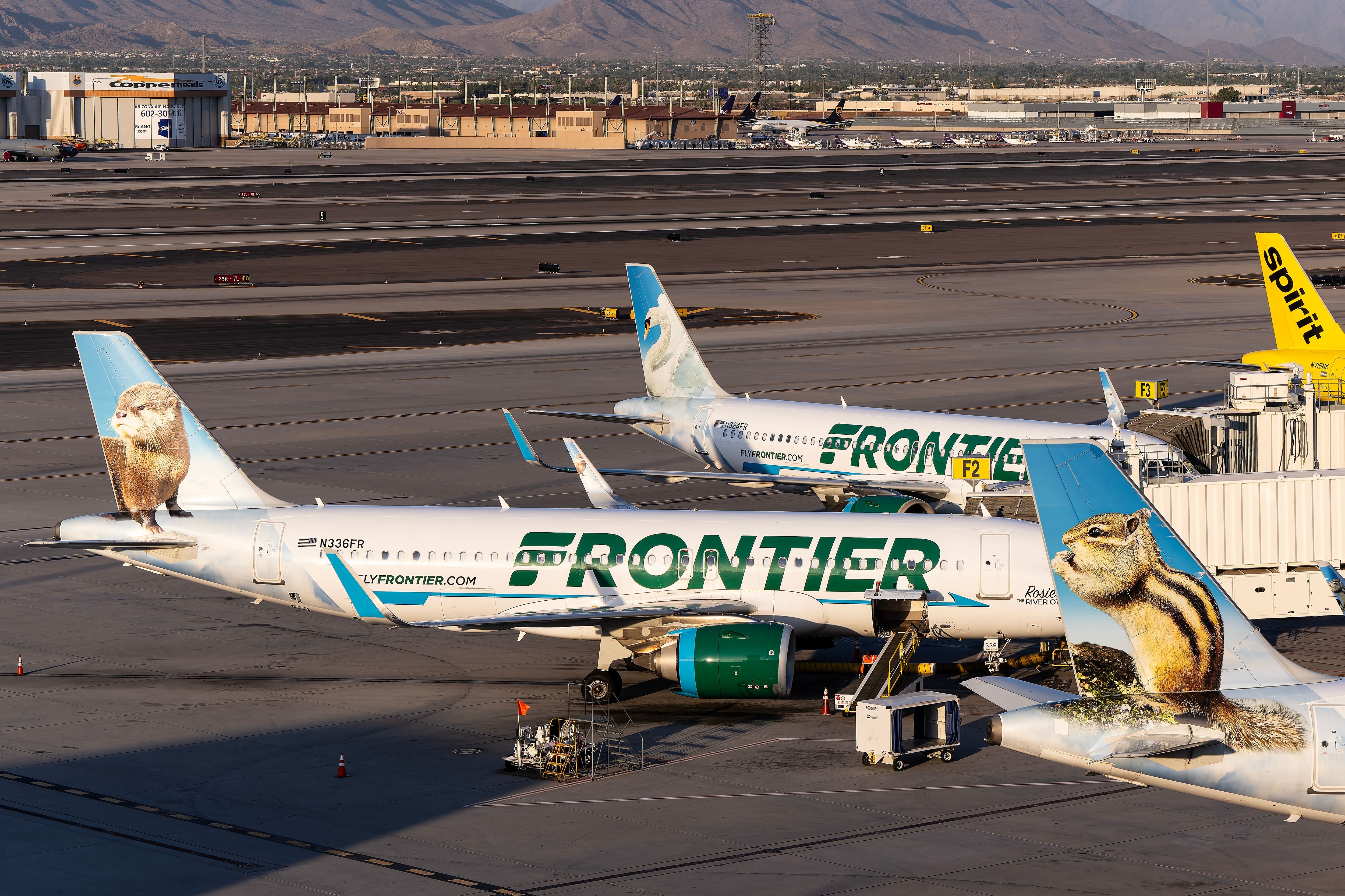
On January 23, Senators Maggie Hassan, Josh Hawley, and Richard Blumenthal sent a letter to Edward M. Christie III of Spirit Airlines and Barry L. Biffle of Frontier Airlines, questioning their testimony during a December 2024 hearing held by the Senate Permanent Subcommittee on Investigations. The senators expressed frustration that the executives did not adequately address concerns regarding the potential for passengers to be charged different fees for the same seat on the same flight, despite being booked in the same fare class.
The letter highlighted alarming evidence suggesting that the airlines may be using customers' personal information to manipulate pricing strategies. The senators noted, "Your lack of transparency raises concerns that your airlines use customers' personal information to manipulate seat pricing." They pointed out that while the airlines claimed not to use "personally identifiable information," they could still be leveraging non-personally identifiable data—such as ZIP codes, browser cookies, location information, or search history—to influence pricing.
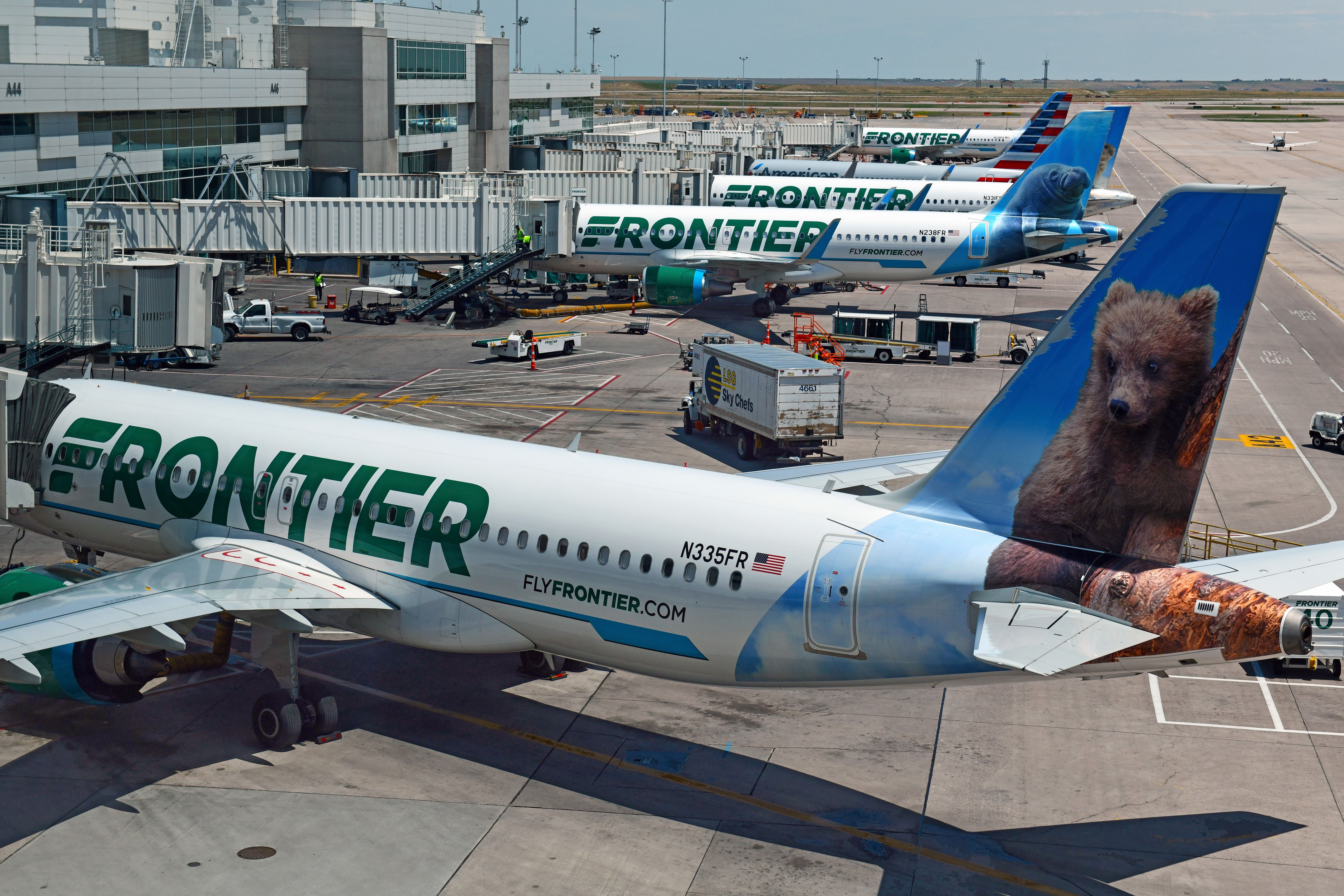
During the hearing, Frontier Airlines executives failed to clarify why passengers are required to provide personal information before seat fees are disclosed on their website. When pressed about the necessity of collecting data such as age, geographic location, and gender, the executives did not provide satisfactory explanations. Senator Hawley specifically questioned the relevance of such data for a flight from New York City to Atlanta, highlighting the seemingly arbitrary nature of the information being collected.
Both airlines declined to comment on whether they would cease the practice of requiring personal information before revealing seat prices. This raises concerns about whether the use of personal data could be contributing to the rising costs associated with budget airlines in the U.S.
The December 4 hearing revealed bipartisan frustration among lawmakers regarding the practices of low-cost carriers. Senator Blumenthal expressed the discontent of constituents who feel that the airlines' practices conflict with their expectations of fairness, particularly regarding the use of personal information to set varying fees for the same flight.
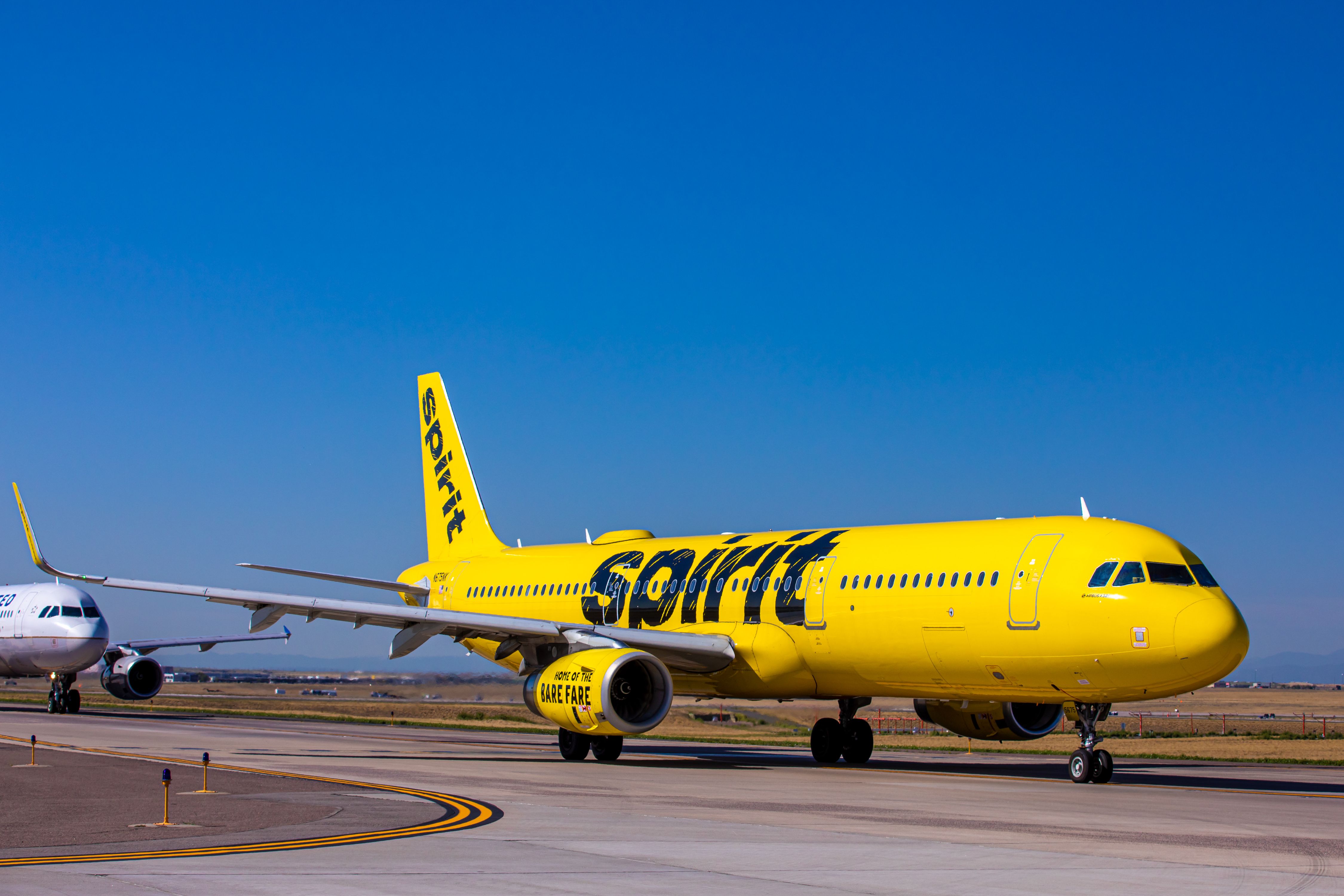
The U.S. Senate has given Spirit and Frontier Airlines until February 24 to respond to five key questions, including:
- Their commitment to not requiring personal information before providing seat and ticket prices, and an explanation if they refuse to commit.
- The rationale behind requiring customers' personal information before revealing seat fares.
- The types of customer information used in algorithms that determine ticket prices.
- Whether either airline utilizes Navitaire, a software used by many airlines to enhance revenue through data collection.
- The safeguards in place to prevent discrimination if passenger data is used to influence ticket prices.
- The estimated cost for Spirit and Frontier to change their purchasing pathways to allow customers to view seat fees without providing personal information.
While the collection of personal information by airlines raises concerns, it is a common practice across many industries, particularly in digital marketing. Companies often gather data to tailor advertisements and improve customer targeting. However, the implications of such practices in the airline industry, particularly regarding pricing transparency and fairness, are now under intense scrutiny.
As the situation unfolds, the responses from Frontier and Spirit Airlines will be closely monitored, as they could have significant implications for consumer rights and the future of pricing practices in the airline industry.