Venezuelan scientists warn that ocean warming will increase the frequency of the Niño Costero phenomenon
-
 Loading...
 - ronnie evelyn
- 09 May 2023
- 98 Views
- 0 Like
- 0 Comment
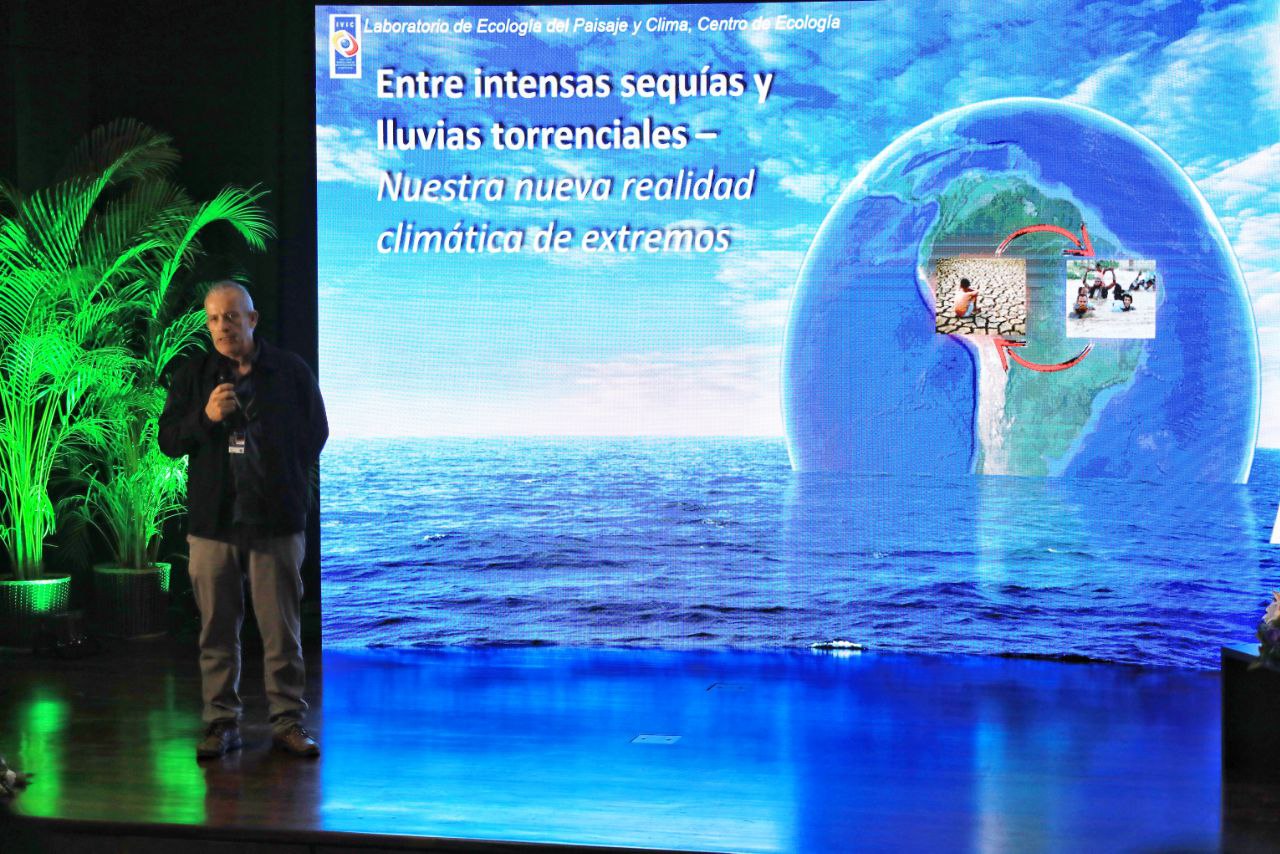
According to scientists from the Venezuelan Institute for Scientific Research (IVIC), the warming of the ocean is causing an increase in the frequency of the Coastal Child phenomenon in South America. Dr. Dirk Thielem, the head of the Laboratory of Landscape Ecology and Climate at the IVIC Ecology Center, delivered this warning during the conference called "Between intense droughts and torrential rains: our new extreme climatic reality" at the Ministry of Popular Power for Science and Technology (MinCyT) in Caracas.
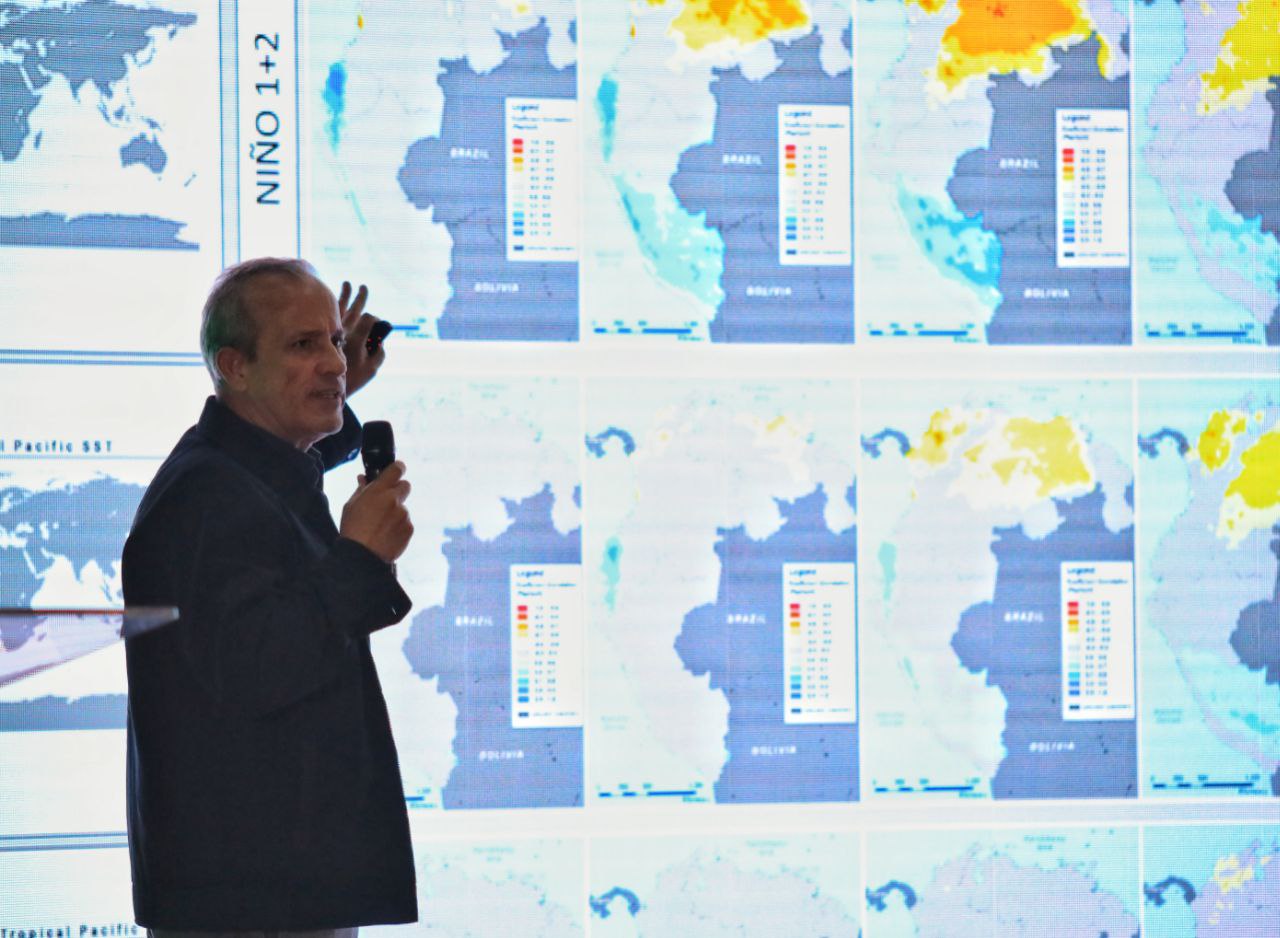
Thielem explained that the current planetary climate crisis is leading to an increase in the frequency, intensity, and duration of heat waves in different oceanic regions, and the Coastal Child phenomenon is a part of this. He stated that the models show that as a result of global ocean warming, the frequency and severity of the Coastal Child will continue to increase.
The Coastal Child phenomenon is already happening, and while it was reported timidly in 2017, it is now occurring more severely. The problem, according to Thielem, is the speed at which it develops, which is faster than what can be predicted or anticipated. In just a few days or weeks, the Coastal Child can occur with its severity and implications.
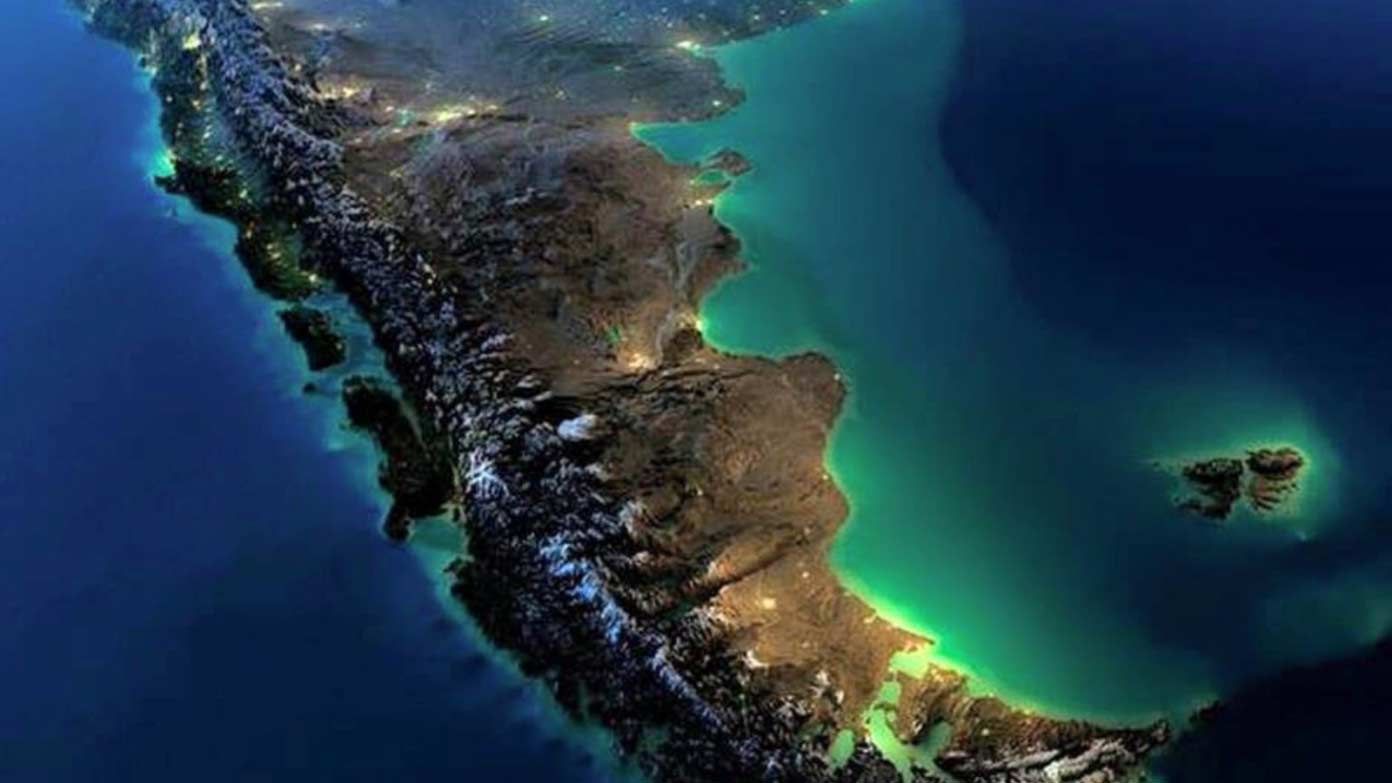
Thielem noted that this phenomenon occurs in the central zone of the Pacific, and while El Niño generates only a rainfall deficit in South America, if the warming moves to the South American coasts, countries like Ecuador and Peru will have an immediate impact, which could also affect Colombia and Venezuela.
Thielem also reported that since 2019, there has been a megadrought in the region, affecting the largest wetland on the planet, Pantanal, which spreads between Bolivia, Brazil, and Paraguay. The forecast, according to Thielem, is a continuation of the drought for Pantanal, which will affect food production and other issues for humanity.
Thielem emphasized the importance of disseminating the information obtained from these studies massively, beyond just scientists and experts, so that the population as a whole can give a social response. This information is public and freely accessible in indexed journals, and Thielem hopes that it will be used to create a response not only in Venezuela but also in the rest of the region and the world.
The conference was attended by several high-ranking officials, including the Vice Minister for the Communalization of Science for Production, Danmarys Hernández, the Vice Minister for Information and Communication Technologies, Gloria Carvalho, and the Vice Minister for Research and Application of Knowledge, Francisco Durán.