Video games and children: A guide for parents
-
 Loading...
 - Chunhua Dong
- 07 Aug 2024
- 57 Views
- 0 Like
- 0 Comment
As a parent, it's natural to have concerns about the impact of video games on your child's physical, emotional, and social well-being. With the gaming industry growing exponentially, it's essential to stay informed about the benefits and risks associated with video games and to establish a healthy gaming environment for your child.
The Benefits of Video Games
While excessive gaming can have negative effects, moderate gaming can have several benefits for children:
1. Improved cognitive skills: Video games can enhance problem-solving, critical thinking, and multitasking abilities.
2. Enhanced creativity: Sandbox games like Minecraft can foster creativity, imagination, and building skills.
3. Better social skills: Multiplayer games can promote teamwork, communication, and social interaction.
4. Stress relief: Games can provide a healthy outlet for stress and anxiety.
The Risks of Video Games
However, excessive gaming can lead to:
1. Addiction: Spending too much time playing games can lead to addiction, negatively impacting daily life and relationships.
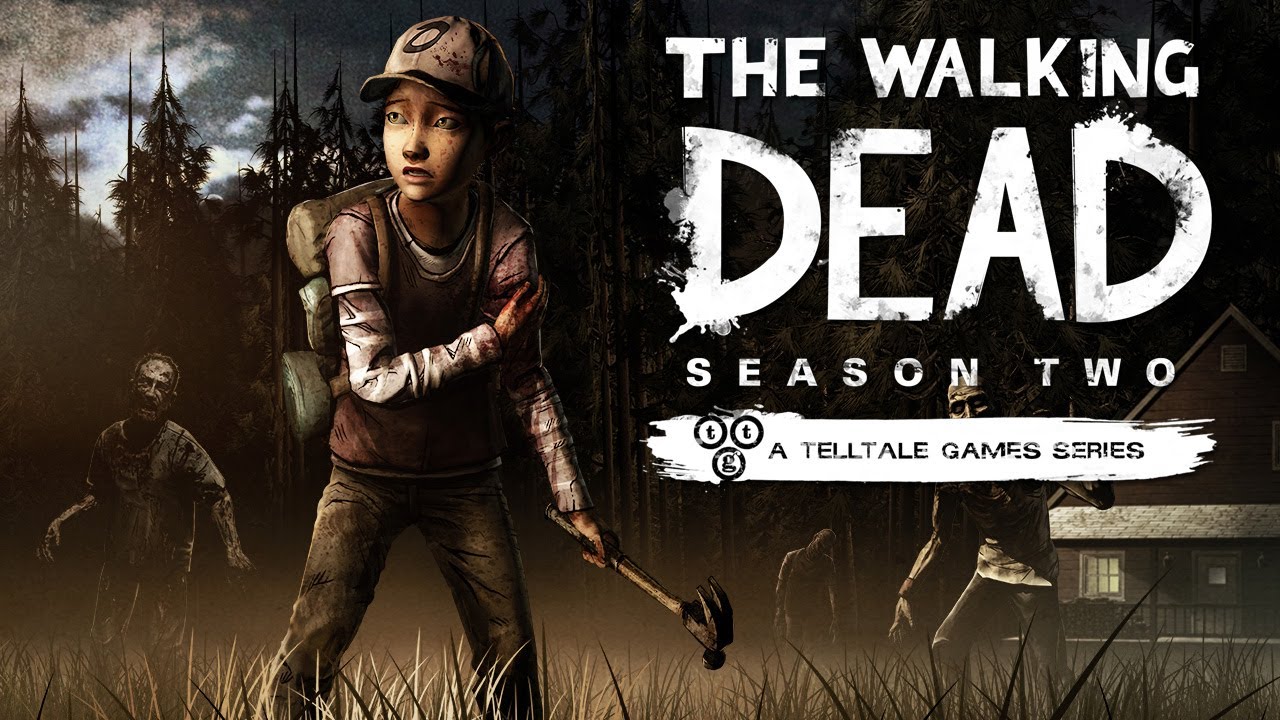
2. Violence and aggression: Exposure to violent games can increase aggressive behavior and desensitize children to violence.
3. Sleep deprivation: Playing games close to bedtime can disrupt sleep patterns and lead to sleep deprivation.
4. Social isolation: Excessive gaming can lead to social isolation, reducing face-to-face interaction and deepening feelings of loneliness.
Setting Boundaries and Guidelines
To ensure a healthy gaming environment for your child, establish the following boundaries and guidelines:
1. Set limits: Establish a daily time limit for gaming, and ensure it doesn't interfere with homework, outdoor play, or family time.
2. Monitor content: Check the ESRB rating (Entertainment Software Rating Board) to ensure the game is age-appropriate, and review the game's content to ensure it aligns with your values.
3. Encourage balance: Promote a balance between gaming and other activities, such as sports, reading, or creative pursuits.
4. Communicate: Engage in open conversations with your child about gaming, its benefits, and its risks.
Additional Tips for Parents
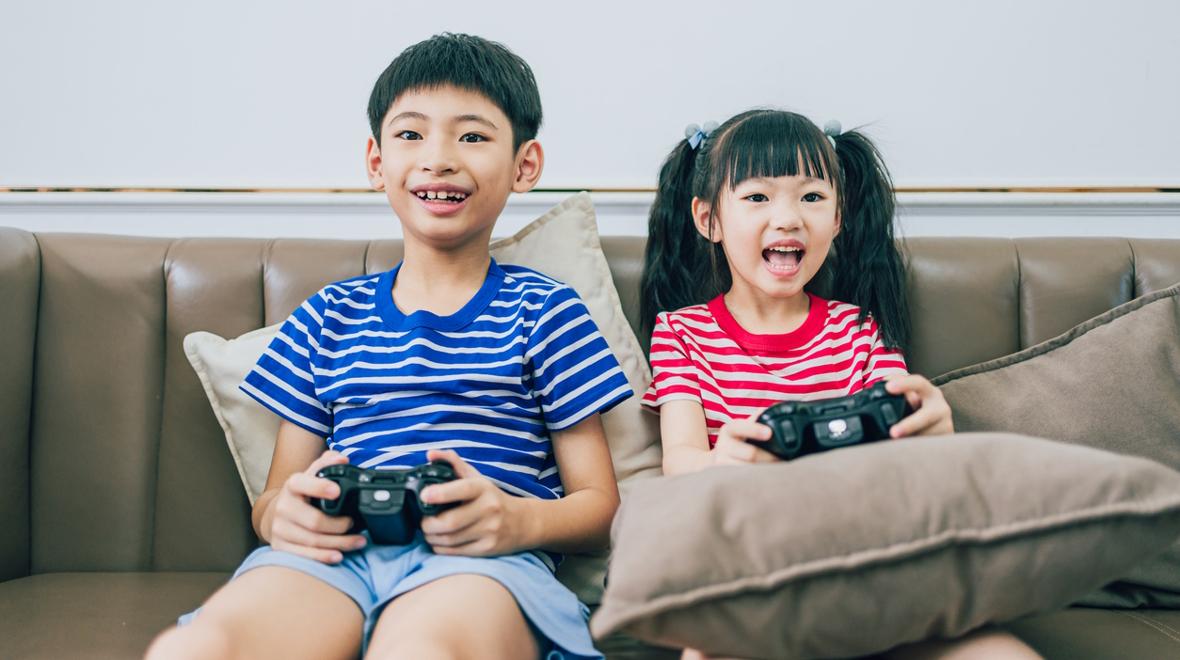
- Play with your child: Engage in gaming activities with your child to understand their interests and concerns.
- Set a good example: Model responsible gaming behavior yourself, as children often mimic their parents' actions.
- Stay informed: Stay up-to-date with the latest gaming trends, releases, and research to make informed decisions.
- Encourage offline activities: Support and encourage offline activities, such as outdoor play, sports, or hobbies, to promote a healthy balance.
Video games can be a fun and engaging part of a child's life, but it's essential to establish boundaries and guidelines to ensure a healthy gaming environment. By understanding the benefits and risks associated with video games, setting limits, and promoting balance, you can help your child develop a positive and responsible relationship with gaming.