Videography is Poised to End Traditional Event Photography
-
 Loading...
 - Vicente Gonzalez
- 28 Jun 2022
- 157 Views
- 0 Like
- 0 Comment
Photography has been the most standard way to capture events for decades. If you want an event documented, you hire a photographer. However, in the next few years, that could all change.
As video equipment has merged with photo cameras, videography has become an additional method of capture, but it is almost always an addition on top of photography. Whether weddings, family gatherings, corporate events, or anything in between, very rarely does videography actually replace photography. But it’s highly likely that videography will become the dominant method of capture as we move forward, and likely not for the reason you may expect.
There has been a conversation for years if cell phone cameras will ultimately replace traditional cameras with solid arguments to be heard on both sides. But as easy of a target as phones are, they likely are not the biggest threat to the business of professional event photographers. No, videographers are.
This is not because people will stop wanting still images for their events, but because technology is on the cusp of making traditional photographs irrelevant for event work.
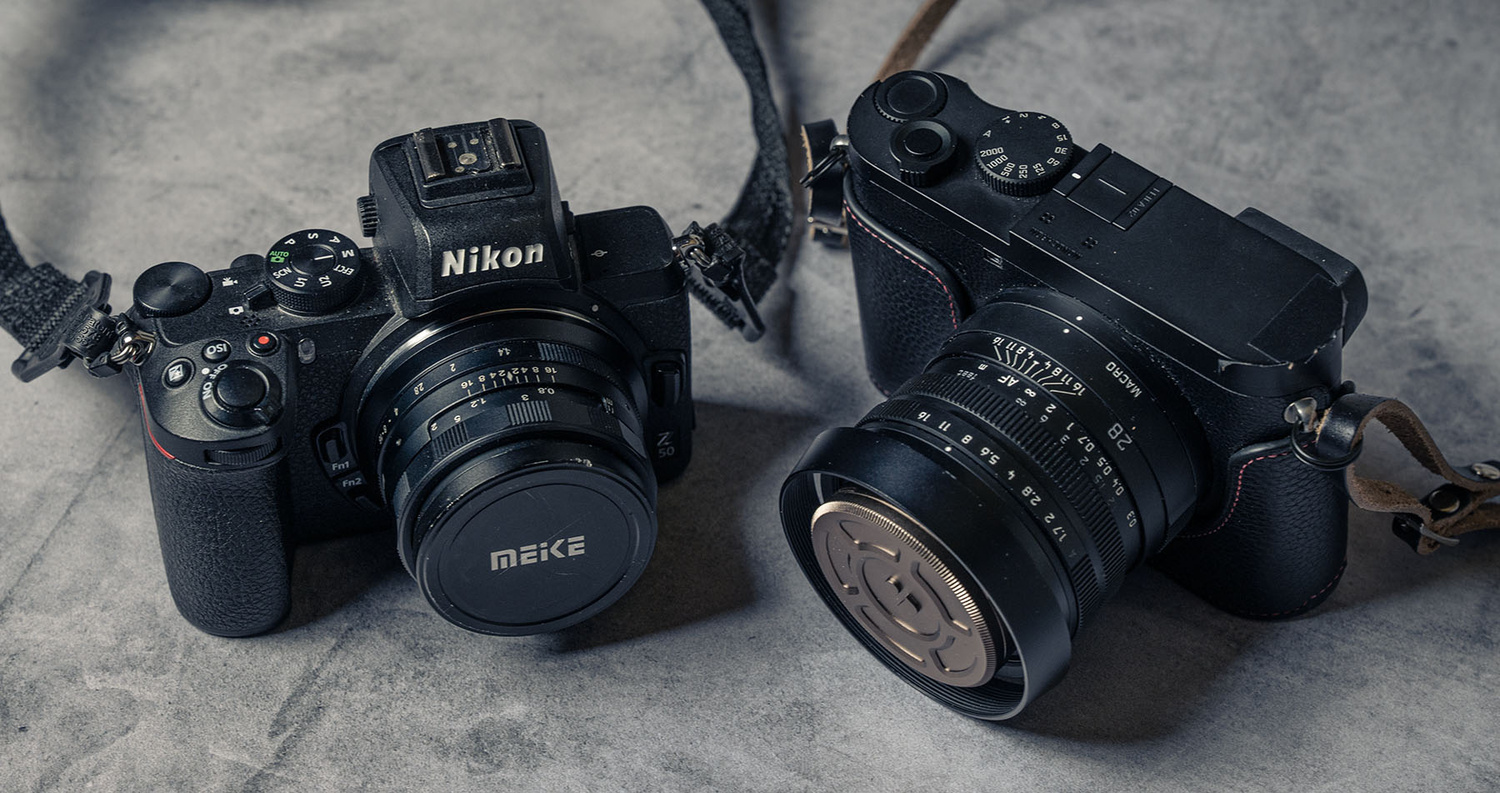
Most event photographers use cameras that have a sensor capability between 20 megapixels and 36 megapixels; cameras like the Canon 5D Mark IV and R6, Sony Alpha 7 IV, Fujifilm XT-4, and Panasonic S1 all fall into that range. These cameras offer event photographers enough resolution to be able to crop or print however they may need, while also offering relatively small file sizes and large buffers.
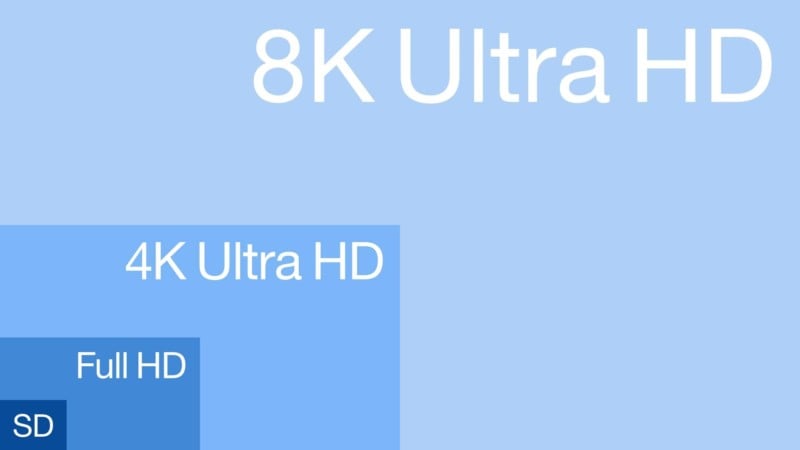
Arguably the current “standard” for event videography is 4K resolution with a 10-bit codec, which is available in a variety of cameras now. A 4K image is about 8 megapixels; enough for most digital screens, but not large enough to print large images without the resolution loss starting to be noticeable. 8K resolution event-capable cameras exist in the likes of the Canon R5 and R5 C, Sony Alpha 1, and Nikon Z9, but most event videographers don’t yet use that high resolution for a variety of reasons. Overheating issues and extremely large file sizes have kept 8K from fully being embraced as the go-to resolution across the event industry so far, but that will likely change.
8K as a Standard is Coming
8K video resolution is equivalent to just over 33 megapixels, which means an 8K frame is actually a higher resolution than most event photography cameras and certainly more than typical client expectations. Even 6K is large enough to compete with its equivalent 21.2 megapixels. Editing a 10-bit codec is not nearly as flexible as a RAW photo, but it is better than an 8-bit JPEG.
Ask any experienced videographer about the color grading flexibility between 8-bit 4:2:0 and 10-bit 4:2:2 and they will likely speak volumes about the latter’s flexibility. That said, both are put to shame by what can be done with RAW video which is becoming a lot more common. The file sizes are currently massive, but with Canon now offering multiple RAW formats and ProRes RAW coming to more cameras every year, RAW video at an event level isn’t far from being mainstream.
Let me paint a picture of what is likely to come. We will skip ahead of this current generation of cameras and look at what will likely be coming in the next generation, two to four years from now. We will use the theoretical Alpha 7S IV as the camera of choice because of the impact that the Alpha 7S II and Alpha 7S III have both had on the event videography industry from the moment they were released.
Of course this camera does not yet exist and given Sony’s camera cycle timeline, the Alpha 7S IV is likely a few years away still. But even so, the specifications it will bring aren’t too difficult to take a stab at.
Given what we know Sony can do with cameras like the Alpha 1 and what we’ve seen from Canon, Nikon, Fujifilm, and Panasonic, Sony’s Alpha 7S IV will offer at least 8K, probably as high as 60 frames per second if not more, and some type of RAW codec. It will probably be able to do this with limited to no overheating issues while also providing unlimited recording times and class-leading low light performance as has been the case with the previous iterations of the Alpha 7S line.
The technology to make that camera basically already exists, it’s just in cameras that aren’t necessarily considered the go-to for the majority of event videographers. Even for the small percentage of those that do, many aren’t comfortable using the 8K 60p mode for long events.
The Canon R5 and R5 C, for example, already offer these core specifications, but the harsh reality is that many event shooters don’t trust the long-term record time out of the R5 due to overheating concerns at 8K 60p. And despite the fact that Canon recently put its Cinema RAW Light codec into the R5 C (which shows how serious it is about trying to make 8K 60p files more workable) and while it also has a fan that mitigates the overheating, it lacks the in-body stabilization which many event shooters now consider essential.
But obviously, the tech isn’t just something to look forward to, it’s something that is already available.
The Technology is Already Here
With all this in mind, we’re not talking about when photographers could start to be replaced since, realistically, that can already happen. No, we’re talking about when photographers will actually start to feel the pressure of being replaced by their video-capturing counterparts. And that time is very soon.
Earlier this year, photojournalist Tom Palmaers explained how he has already transitioned to using a video camera for his work and is extracting stills from the footage that is being used in newspapers while retaining the video footage. Two birds, one stone.
Like Palmaers, I’m already regularly asked by event clients to pull 4K 10-bit stills for them from my video footage for social media and web applications. So it’s not that it can’t already be done, but the stark reality for event photographers is that the mainstream hit of an Alpha 7S IV may mean that seemingly overnight their biggest competition is not from other photographers, but from the videographers who would usually shoot beside them. Read More...