Vienna’s Tourism Board Is Using Cat-Themed A.I. Spin-Offs of Famous Artworks to Urge People to Go See the Real Thing
-
 Loading...
 - Nikias Pichler
- 09 May 2023
- 93 Views
- 0 Like
- 0 Comment
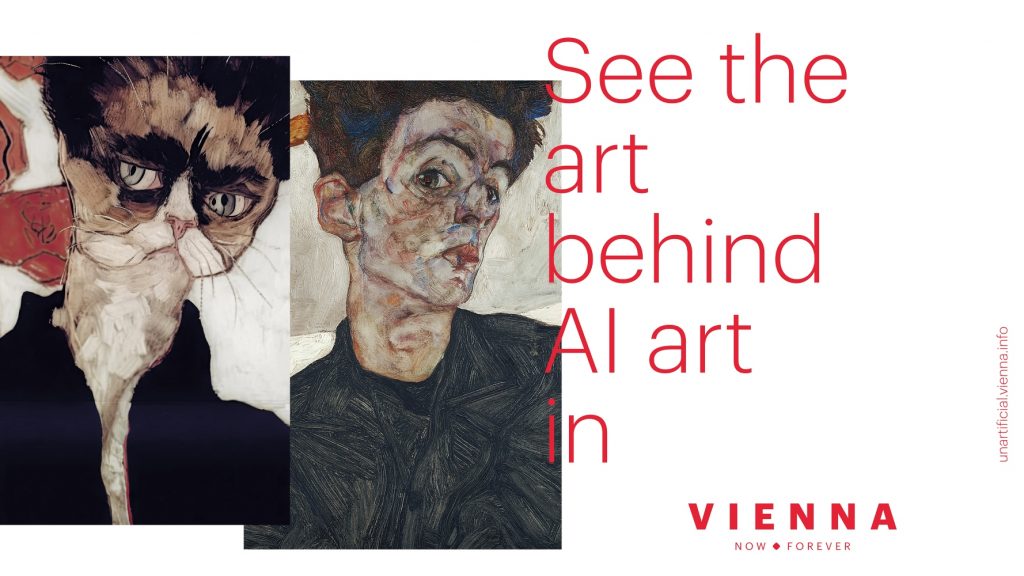
Vienna's tourism board has created a series of peculiar AI-generated spin-offs of Austria's most iconic artworks, featuring the internet's favorite animal, the cat. It's astonishing to think that the tourism board is responsible for these virally-ready images. Nevertheless, they are inviting visitors to Vienna to "witness the art behind A.I. art." The CEO of the tourist board, Norbert Kettner, stated in a press release that Vienna desires to remind visitors of who made all of this possible in the first place, particularly with so much artificial intelligence pervading our lives, as seen in programs such as DALL-E or Midjourney that enable anyone to create "works of art."
The marketing campaign, which is tongue-in-cheek, runs the risk of significant backlash, as have other cultural institutions that have dabbled in AI, such as the San Francisco Ballet and the Mauritshuis in the Netherlands. The board chose to address each modernist master by their first name, and they issued a slightly offhand apology for mutating their work. One Schiele-style image depicts a feline that looks decidedly despondent with the caption, "Sorry Egon, but your art made A.I. art possible." Another image, which rips off Gustav Klimt's The Kiss (1907-08), offers heartfelt condolences to Gustav.
Art historian Markus Hübl presents Vienna's world-famous masterpieces by Schiele, Klimt, and Bruegel in a video, before offering a comically far-fetched scholarly analysis of their AI-generated derivative. The board hopes that the campaign will encourage the growing audience for AI-generated images to redirect their attention to the genuine article, which can be found at Vienna's renowned cultural institutions, such as the Belvedere, Kunsthistoriches, Albertina, and Leopold Museum, to name a few. There, they can learn about the radical accomplishments of the Vienna Secession, which Klimt co-founded in 1897.
Kettner said, "The Viennese Modernism movement, which revolutionized the art world over a century ago, continues to live on and influence today's art through the algorithms that guide A.I. creations." However, the campaign's intentions may not be well received, as people may criticize the use of AI to manipulate and transform renowned artworks.
It is indeed a wonder that the tourism board of Vienna, the city of art, has taken it upon themselves to create a series of peculiar A.I.-generated spin-offs of some of Austria's most cherished artworks, featuring the internet's beloved feline creature. While these eye-catching images may have successfully grabbed our attention, Vienna is now inviting us to "witness the art behind A.I. art" by visiting the city and experiencing the original masterpieces themselves.
Norbert Kettner, the CEO of the tourist board, expressed that in light of the ever-growing prevalence of artificial intelligence in our daily lives, especially with the rise of programs such as DALL-E or Midjourney, which allow anyone to create "works of art," Vienna seeks to remind visitors of the creators who made it all possible. However, this tongue-in-cheek marketing campaign may face serious opposition, similar to other cultural institutions that have ventured into the world of A.I., like the San Francisco Ballet or the Mauritshuis in the Netherlands.
Despite their good intentions, the campaign has chosen to address each modernist master by their first name, accompanied by a somewhat casual apology for altering their art. For instance, one image styled after Schiele features a sad-looking feline with the caption "Sorry Egon, but your art made A.I. art possible," while another image apologizes to Gustav (Klimt) for imitating his famous work, The Kiss (1907-08).
The board has also released a video wherein art historian Markus Hübl introduces viewers to Vienna's world-renowned masterpieces by Schiele, Klimt, and Bruegel, followed by a hilariously exaggerated scholarly analysis of their A.I.-generated counterparts.
Should this campaign be successful, it could encourage the fast-growing audience for A.I.-generated images to redirect their attention to the authentic art found at Vienna's celebrated cultural institutions, including the Belvedere, Kunsthistoriches, Albertina, and Leopold Museum, among others. Here, they can learn about the radical achievements of the Vienna Secession, a movement co-founded by Klimt in 1897, whose lasting impact on today's art can be seen in the algorithms that guide A.I. creations.
As Kettner remarked, "Viennese Modernism, which rocked the art world over a century ago, continues to thrive and influence contemporary art through the use of algorithms that govern A.I. creations."