Virgin Atlantic ad banned over Flight 100 ‘sustainable’ fuel claim
-
 Loading...
 - Ivan Ivanov
- 07 Aug 2024
- 87 Views
- 0 Like
- 0 Comment
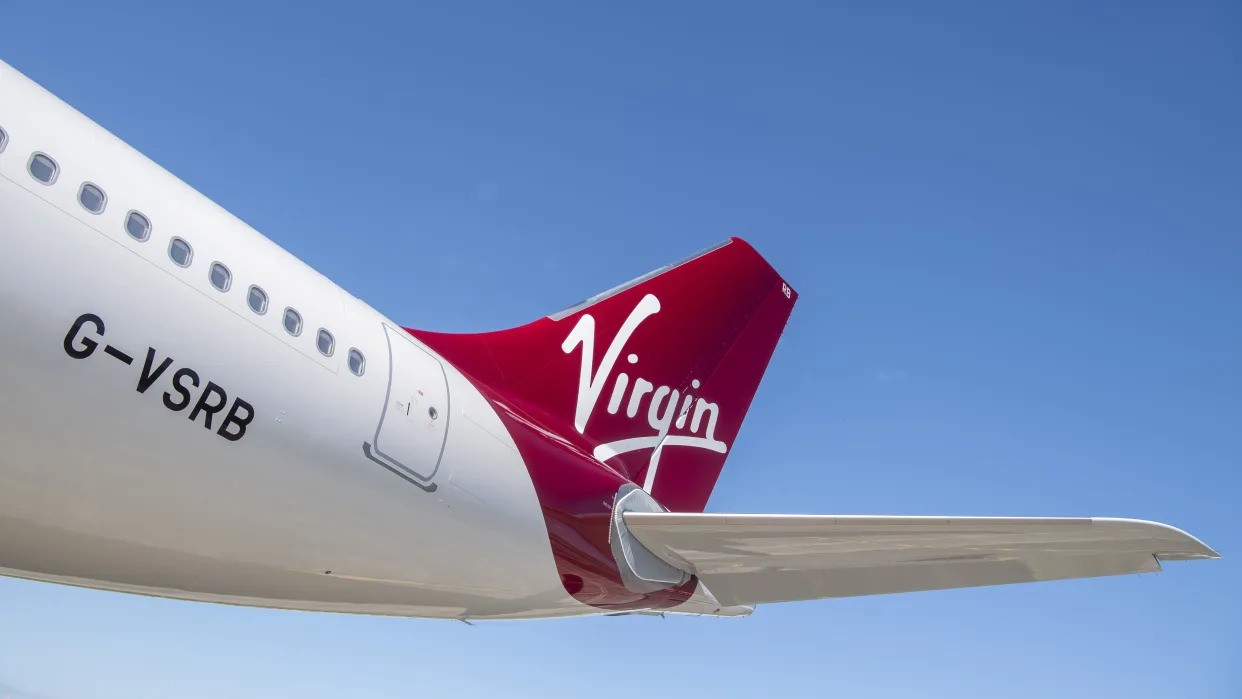
Virgin Atlantic has been directed to include qualifying information about the environmental impact of sustainable aviation fuel (SAF) in future advertisements, following a ruling by the Advertising Standards Authority (ASA). This decision comes after a radio advert promoting a flight using "100% sustainable aviation fuel" was deemed misleading.
The advert in question celebrated a one-off "Flight 100" from Heathrow to New York, operated using SAF. Virgin Atlantic had won a Department for Transport competition aimed at achieving the first net-zero transatlantic flight using 100% SAF within a year. However, complaints were filed arguing that the claim "100% SAF" gave a misleading impression of the fuel's environmental impact.
Virgin Atlantic acknowledged that while SAF produces the same level of CO2 emissions as traditional jet fuel during flight, the CO2 savings are significant since SAF uses carbon recently captured from the atmosphere, as opposed to fossil fuels. They also highlighted additional savings from reduced lifecycle emissions in extraction, processing, manufacturing, transportation, and operational efficiencies. Overall, the airline stated that Flight 100 achieved a 64% lifecycle CO2 emissions saving, with lower non-CO2 emissions.
The ASA upheld the complaints, noting that listeners might interpret "100% sustainable aviation fuel" as implying the fuel is completely sustainable, without adverse environmental impacts. They acknowledged that the ad was for a unique, non-commercial flight but stressed that it built an impression of Virgin Atlantic's ongoing commitment to reducing aviation's environmental impact.
The ASA concluded that the unqualified claim was misleading and instructed Virgin Atlantic to include qualifying information in future advertisements explaining the environmental impact of SAF. Virgin Atlantic expressed disappointment with the ruling but reiterated its commitment to achieving net-zero CO2 emissions by 2025.
The term "sustainable aviation fuel" is widely used by governments, industry bodies, and airlines, including Virgin Atlantic, to denote fuel made from renewable sources rather than fossil fuels. Despite this common usage, the ASA's ruling underscores the importance of clarity and transparency in environmental claims to ensure consumers are accurately informed about the benefits and limitations of new technologies.
This decision highlights the regulatory challenges companies face in promoting sustainable practices while maintaining accurate and transparent communication with consumers.