Home Upload Photo Upload Videos Write a Blog Analytics Messaging Streaming Create Adverts Creators Program
Bebuzee Afghanistan Bebuzee Albania Bebuzee Algeria Bebuzee Andorra Bebuzee Angola Bebuzee Antigua and Barbuda Bebuzee Argentina Bebuzee Armenia Bebuzee Australia Bebuzee Austria Bebuzee Azerbaijan Bebuzee Bahamas Bebuzee Bahrain Bebuzee Bangladesh Bebuzee Barbados Bebuzee Belarus Bebuzee Belgium Bebuzee Belize Bebuzee Benin Bebuzee Bhutan Bebuzee Bolivia Bebuzee Bosnia and Herzegovina Bebuzee Botswana Bebuzee Brazil Bebuzee Brunei Bebuzee Bulgaria Bebuzee Burkina Faso Bebuzee Burundi Bebuzee Cabo Verde Bebuzee Cambodia Bebuzee Cameroon Bebuzee Canada Bebuzee Central African Republic Bebuzee Chad Bebuzee Chile Bebuzee China Bebuzee Colombia Bebuzee Comoros Bebuzee Costa Rica Bebuzee Côte d'Ivoire Bebuzee Croatia Bebuzee Cuba Bebuzee Cyprus Bebuzee Czech Republic Bebuzee Democratic Republic of the Congo Bebuzee Denmark Bebuzee Djibouti Bebuzee Dominica Bebuzee Dominican Republic Bebuzee Ecuador Bebuzee Egypt Bebuzee El Salvador Bebuzee Equatorial Guinea Bebuzee Eritrea Bebuzee Estonia Bebuzee Eswatini Bebuzee Ethiopia Bebuzee Fiji Bebuzee Finland Bebuzee France Bebuzee Gabon Bebuzee Gambia Bebuzee Georgia Bebuzee Germany Bebuzee Ghana Bebuzee Greece Bebuzee Grenada Bebuzee Guatemala Bebuzee Guinea Bebuzee Guinea-Bissau Bebuzee Guyana Bebuzee Haiti Bebuzee Honduras Bebuzee Hong Kong Bebuzee Hungary Bebuzee Iceland Bebuzee India Bebuzee Indonesia Bebuzee Iran Bebuzee Iraq Bebuzee Ireland Bebuzee Israel Bebuzee Italy Bebuzee Jamaica Bebuzee Japan Bebuzee Jordan Bebuzee Kazakhstan Bebuzee Kenya Bebuzee Kiribati Bebuzee Kuwait Bebuzee Kyrgyzstan Bebuzee Laos Bebuzee Latvia Bebuzee Lebanon Bebuzee Lesotho Bebuzee Liberia Bebuzee Libya Bebuzee Liechtenstein Bebuzee Lithuania Bebuzee Luxembourg Bebuzee Madagascar Bebuzee Malawi Bebuzee Malaysia Bebuzee Maldives Bebuzee Mali Bebuzee Malta Bebuzee Marshall Islands Bebuzee Mauritania Bebuzee Mauritius Bebuzee Mexico Bebuzee Micronesia Bebuzee Moldova Bebuzee Monaco Bebuzee Mongolia Bebuzee Montenegro Bebuzee Morocco Bebuzee Mozambique Bebuzee Myanmar Bebuzee Namibia Bebuzee Nauru Bebuzee Nepal Bebuzee Netherlands Bebuzee New Zealand Bebuzee Nicaragua Bebuzee Niger Bebuzee Nigeria Bebuzee North Korea Bebuzee North Macedonia Bebuzee Norway Bebuzee Oman Bebuzee Pakistan Bebuzee Palau Bebuzee Panama Bebuzee Papua New Guinea Bebuzee Paraguay Bebuzee Peru Bebuzee Philippines Bebuzee Poland Bebuzee Portugal Bebuzee Qatar Bebuzee Republic of the Congo Bebuzee Romania Bebuzee Russia Bebuzee Rwanda Bebuzee Saint Kitts and Nevis Bebuzee Saint Lucia Bebuzee Saint Vincent and the Grenadines Bebuzee Samoa Bebuzee San Marino Bebuzee São Tomé and Príncipe Bebuzee Saudi Arabia Bebuzee Senegal Bebuzee Serbia Bebuzee Seychelles Bebuzee Sierra Leone Bebuzee Singapore Bebuzee Slovakia Bebuzee Slovenia Bebuzee Solomon Islands Bebuzee Somalia Bebuzee South Africa Bebuzee South Korea Bebuzee South Sudan Bebuzee Spain Bebuzee Sri Lanka Bebuzee Sudan Bebuzee Suriname Bebuzee Sweden Bebuzee Switzerland Bebuzee Syria Bebuzee Taiwan Bebuzee Tajikistan Bebuzee Tanzania Bebuzee Thailand Bebuzee Timor-Leste Bebuzee Togo Bebuzee Tonga Bebuzee Trinidad and Tobago Bebuzee Tunisia Bebuzee Turkey Bebuzee Turkmenistan Bebuzee Tuvalu Bebuzee Uganda Bebuzee Ukraine Bebuzee United Arab Emirates Bebuzee United Kingdom Bebuzee Uruguay Bebuzee Uzbekistan Bebuzee Vanuatu Bebuzee Venezuela Bebuzee Vietnam Bebuzee World Wide Bebuzee Yemen Bebuzee Zambia Bebuzee Zimbabwe
Blog Image

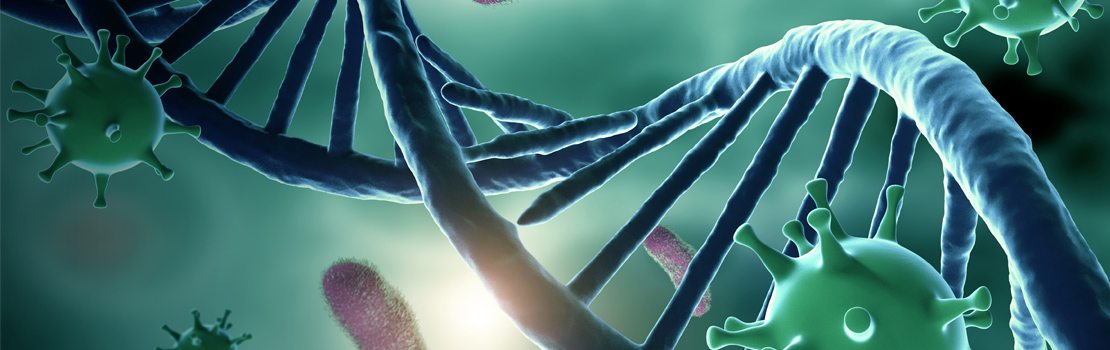
We finally have a fully complete human genome

About 8 percent of the genome was missing from earlier versions of the genetic instruction book

Researchers have finally deciphered a complete human genetic instruction book from cover to cover.

The completion of the human genome has been announced a couple of times in the past, but those were actually incomplete drafts. “We really mean it this time,” says Evan Eichler, a human geneticist and Howard Hughes Medical Institute investigator at the University of Washington in Seattle.

The completed genome is presented in a series of papers published online March 31 in Science and Nature Methods.

An international team of researchers, including Eichler, used new DNA sequencing technology to untangle repetitive stretches of DNA that were redacted from an earlier version of the genome, widely used as a reference for guiding biomedical research.  

Deciphering those tricky stretches adds about 200 million DNA bases, about 8 percent of the genome, to the instruction book, researchers report in Science. That’s essentially an entire chapter. And it’s a juicy one, containing the first-ever looks at the short arms of some chromosomes, long-lost genes and important parts of chromosomes called centromeres — where machinery responsible for divvying up DNA grips the chromosome.

“Some of the regions that were missing actually turn out to be the most interesting,” says Rajiv McCoy, a human geneticist at Johns Hopkins University, who was part of the team known as the Telomere-to-Telomere (T2T) Consortium assembling the complete genome. “It’s exciting because we get to take the first look inside these regions and see what we can find.” Telomeres are repetitive stretches of DNA found at the ends of chromosomes. Like aglets on shoelaces, they may help keep chromosomes from unraveling.

Data from the effort are already available for other researchers to explore. And some, like geneticist Ting Wang of Washington University School of Medicine in St. Louis, have already delved in. “Having a complete genome reference definitely improves biomedical studies.… It’s an extremely useful resource,” he says. “There’s no question that this is an important achievement.”

But, Wang says, “the human genome isn’t quite complete yet.”

To understand why and what this new volume of the human genetic encyclopedia tells us, here’s a closer look at the milestone.

What did the researchers do?

Eichler is careful to point out that “this is the completion of a human genome. There is no such thing as the human genome.” Any two people will have large portions of their genomes that range from very similar to virtually identical and “smaller portions that are wildly different.” A reference genome can help researchers see where people differ, which can point to genes that may be involved in diseases. Having a view of the entire genome, with no gaps or hidden DNA, may give scientists a better understanding of human health, disease and evolution. Read More…

Previous Post

US astronaut returns to Earth with Russian cosmonauts after record-breaking mission

Next Post

Hubble telescope finds most distant star ever, giving glimpse into early stages of universe

Comments