‘We were told our brothers were dead': Chile's lost tribe reclaims identity
-
 Loading...
 - Clarissa Gataki
- 01 Jul 2022
- 140 Views
- 0 Like
- 0 Comment
One of José Vásquez Chogue’s enduring childhood memories is that of his grandfather on the doorstep of his home in the Chilean capital, Santiago, staring at the night sky. “He would always face south,” Vásquez recalled. “He would point out the Southern Cross and show me the stars which represent our ancestors.”
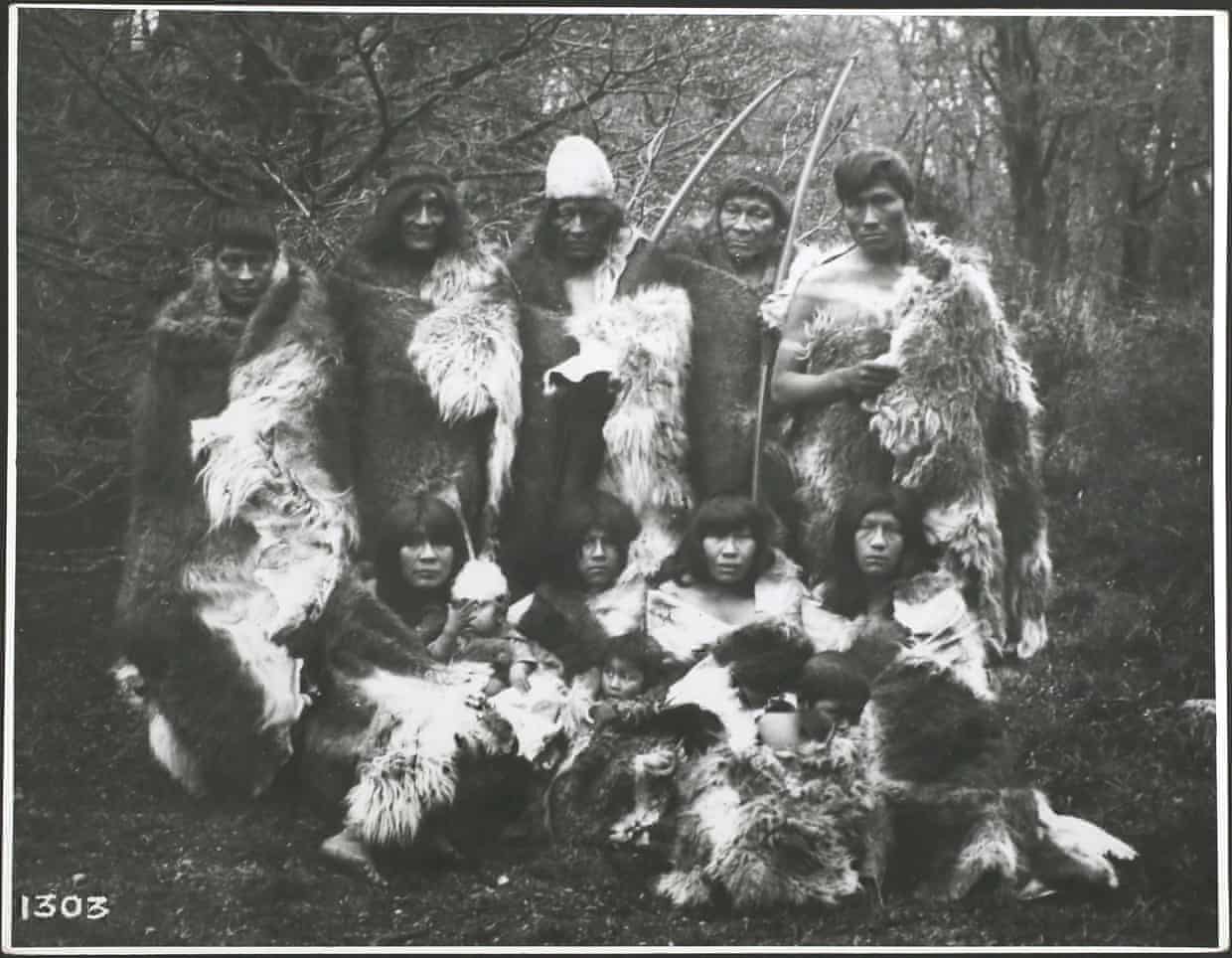
The older man had grown up on a frozen and remote island in Patagonia and was a member of the Selk’nam tribe. But Chilean history books had declared the people extinct. When José, captivated by the anthropological displays of Chile’s National History Museum, tried to explain his bloodline to a member of staff he was met with derision. “I told him that they were my people, but he didn’t believe me. We were taught at school that all our brothers were all dead.”
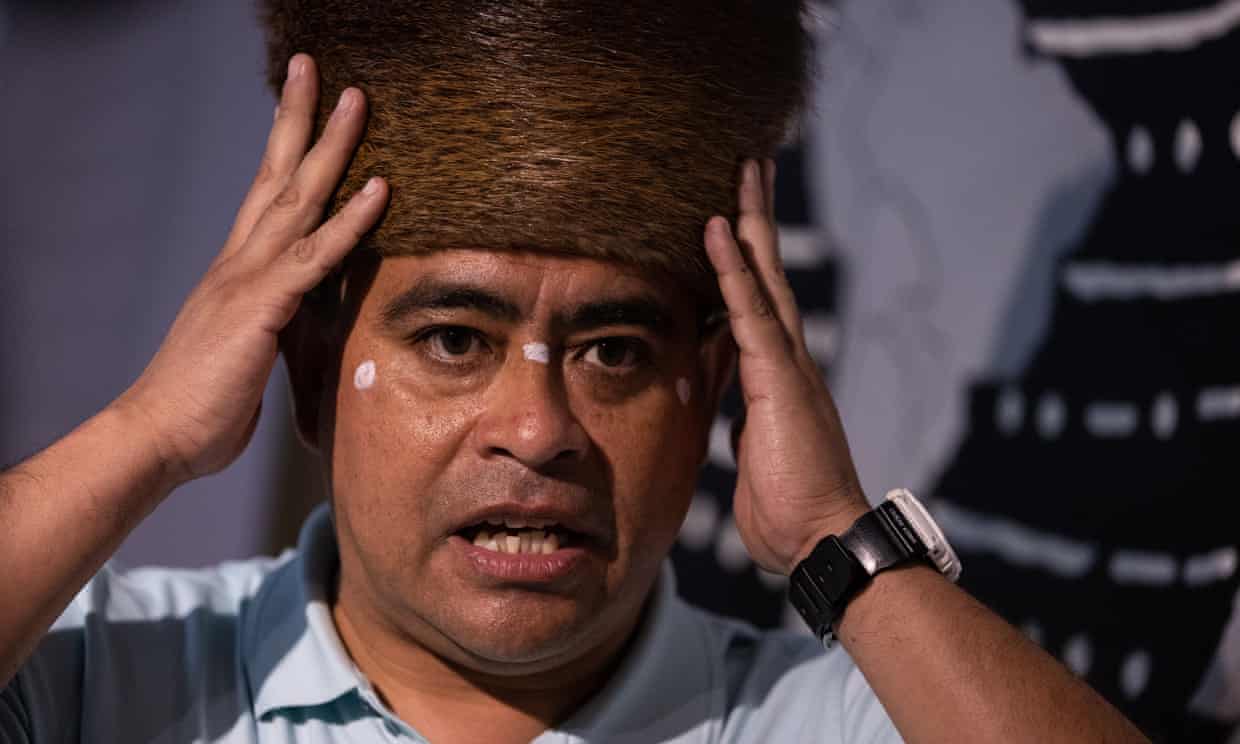
The redrafting of Chile’s constitution has created the opportunity to set the history books straight. After Vásquez made an impassioned intervention at the constitutional convention in August, the government released funds for an anthropological, historiographic and archeological study of the Selk’nam. The results of that study, released earlier this month, acknowledged the continued existence of the people and called for their legal recognition.
“The Selk’nam people are not extinct, they are currently in a process of cultural reappropriation and recreation, and they have the right to reconstruct their own [historical] memory,” said Karla Rubilar, the minister of social development.
If, in the months ahead, the government of Gabriel Boric legally recognizes the Selk’nam, they could be eligible for land and legislative representation. But more important for Vásquez would be the recognition of the crimes committed against his ancestors.
“It’s important that the history of our people and the truth come to light, so people know what happened to the Selk’nam and the other Indigenous peoples in Chile,” he says.
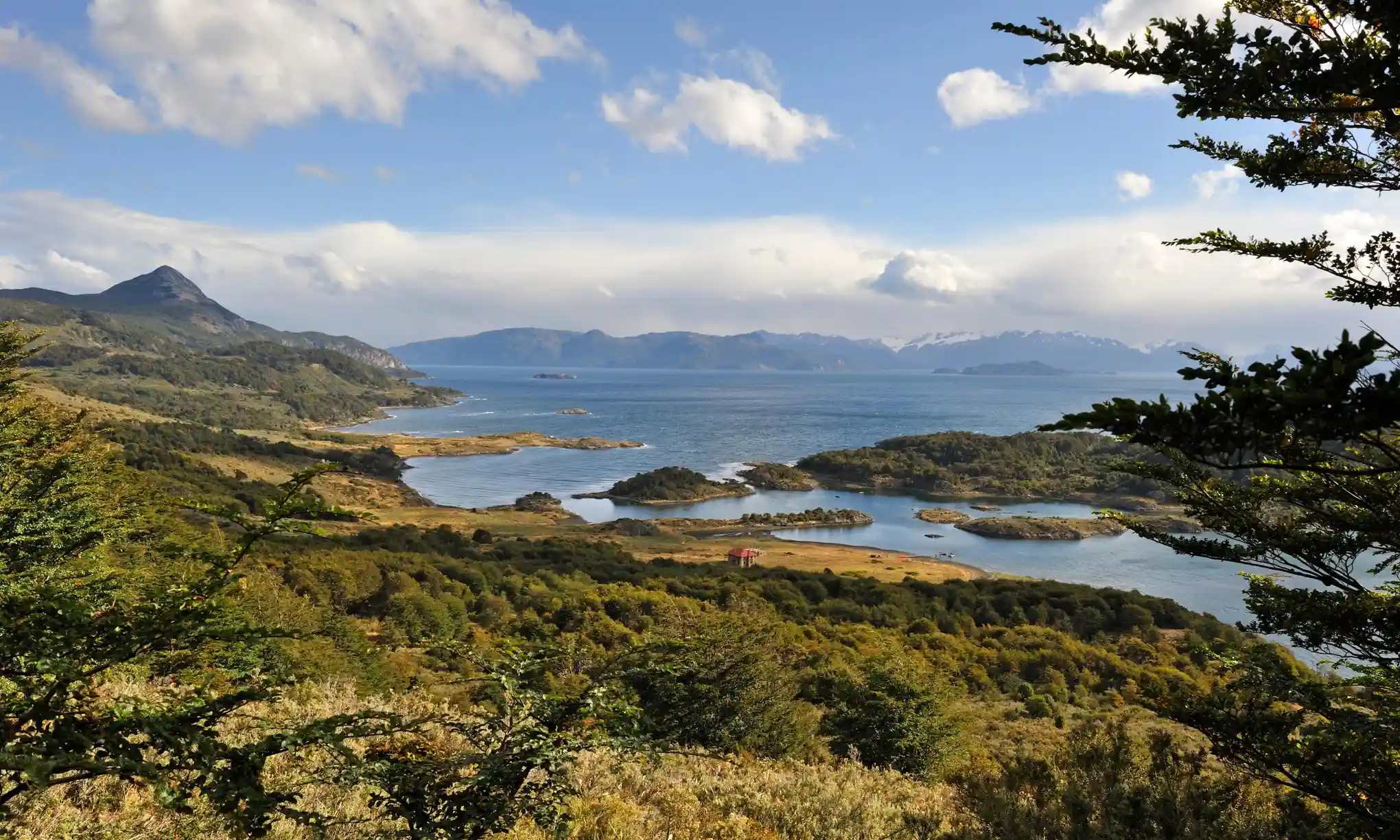
When Ferdinand Magellan rounded the southern tip of South America in 1520, it was the campfires of Indigenous tribes, burning on the hillside, that gave the region its name: Tierra del Fuego (Land of Fire). The main island – now split between Chile and Argentina – and the surrounding archipelago had been inhabited for over 10,000 years by hunter-gatherer peoples feeding on shellfish, berries and guanaco, a relative of the llama.
Subsequent European exploration left a legacy of bleak place names – Port Famine, Useless Bay, Tortuous Passage – but the newcomers had limited contact with Indigenous people.
In November 1886 Ramón Lista, an Argentinian explorer landed on the windswept and barren shores of the Bay of San Sebastián in Tierra del Fuego. By his own account, lacking the resources to take them prisoner, he ordered his accompanying soldiers to shoot 28 Selk’nam, including women and children, that they encountered there.
In the following 40 years Argentinian and Chilean ranchers and miners would exterminate thousands of Selk’nam, dispatch others to German human zoos, and send many more to Salesian Christian missions where they frequently succumbed to disease. The last known full-blood Selk’nam died in 1974.
On the Argentinian side of Tierra del Fuego, the Selk’nam of the maternal line have been recognized by law since 1994 and 36,000 hectares provided to the community as ancestral lands. Last year 25 November - the anniversary of the massacre perpetrated by Lista - was recognized as the Day of the Selk’nam Genocide and flags were flown at half-mast. Read More...