What food will gardeners be growing in future?
-
 Loading...
 - Anastasia Gabris
- 01 Jun 2022
- 283 Views
- 0 Like
- 0 Comment
Can you imagine growing peach trees in a traditional orchard, or exotic root veg as a substitute for potatoes, or weird and wonderful salad leaves in summer when our regular lettuces have bolted?
It’s something Kew kitchen gardener and botanical horticulturist Helena Dove has been considering during her involvement with Food Forever, a new summer programme at Kew Gardens in London (kew.org) exploring the future of food.
“In 10 years’ time we won’t have so many apples or potatoes or things that are really starting to struggle and in their place we will see more fruits and a wider variety of fruit,” Dove predicts.
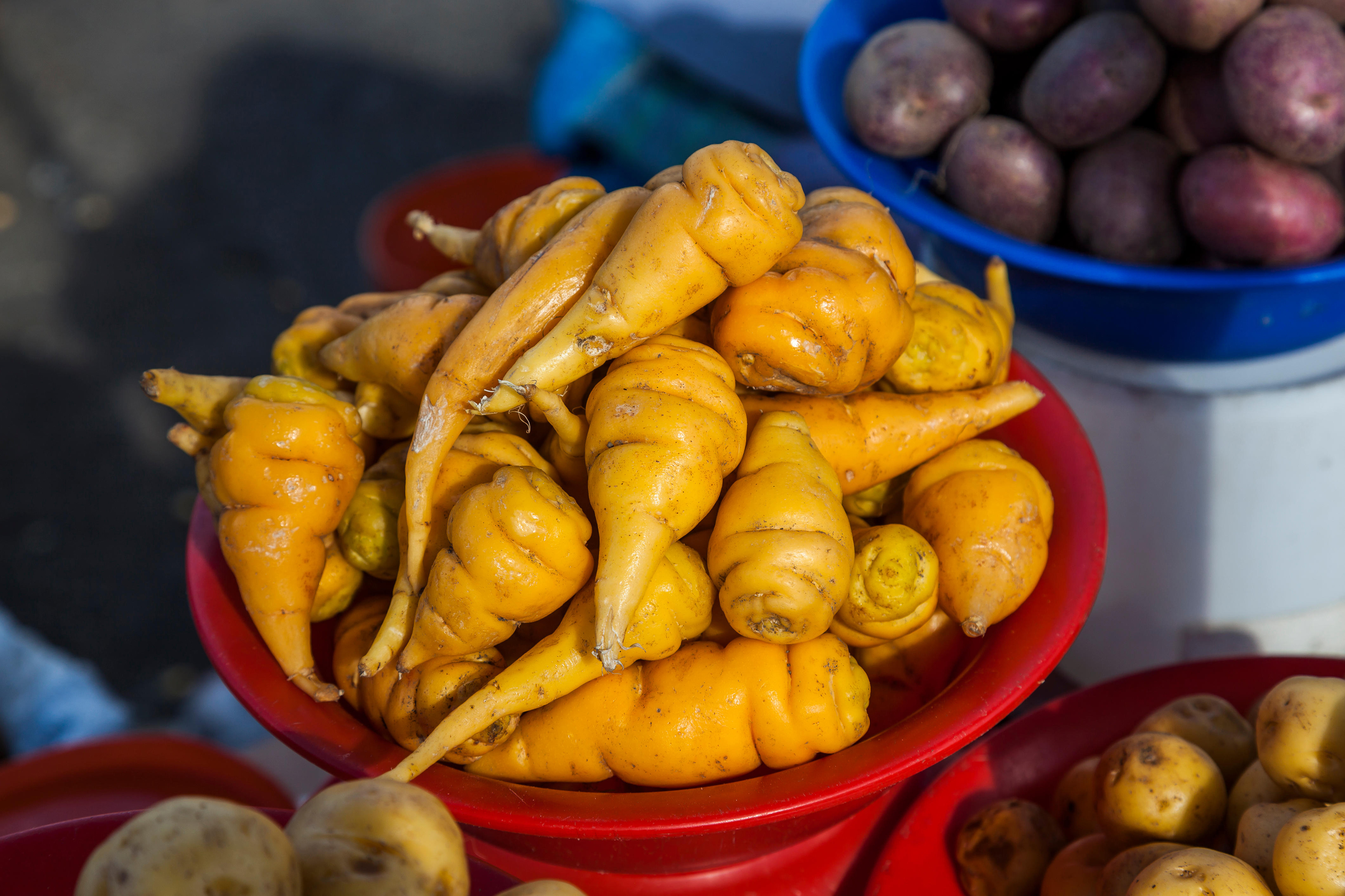
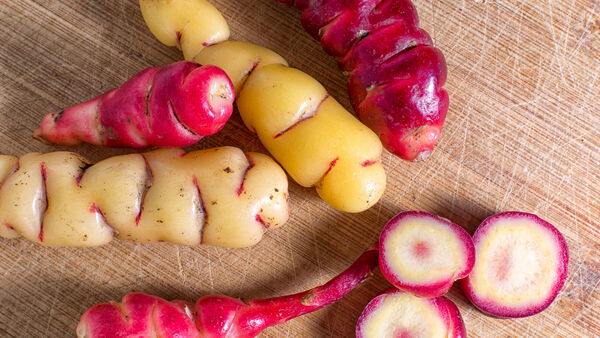
“We will see different types of fruit crop like oca and mashua growing alongside potatoes, particularly maincrop potatoes which are struggling because of blight. We are getting wetter and warmer summers which are making the fungal diseases more prevalent.
“To become resilient, we have to grow different things alongside what we’ve been traditionally growing so that if we do get a failure of one thing, there’s something else to substitute it.”
There are more than 7,000 known species of edible plants we could be eating, and crop diversity is key to feeding the world’s growing population, say Kew scientists, whose research highlights plant-based foods of the future including akkoub, the morama bean, and Coffea stenophylla, a coffee species capable of growing in higher temperatures, rediscovered in the wild in 2018.
So, what might we be growing as a matter of course in our own country in future?
1.Oca
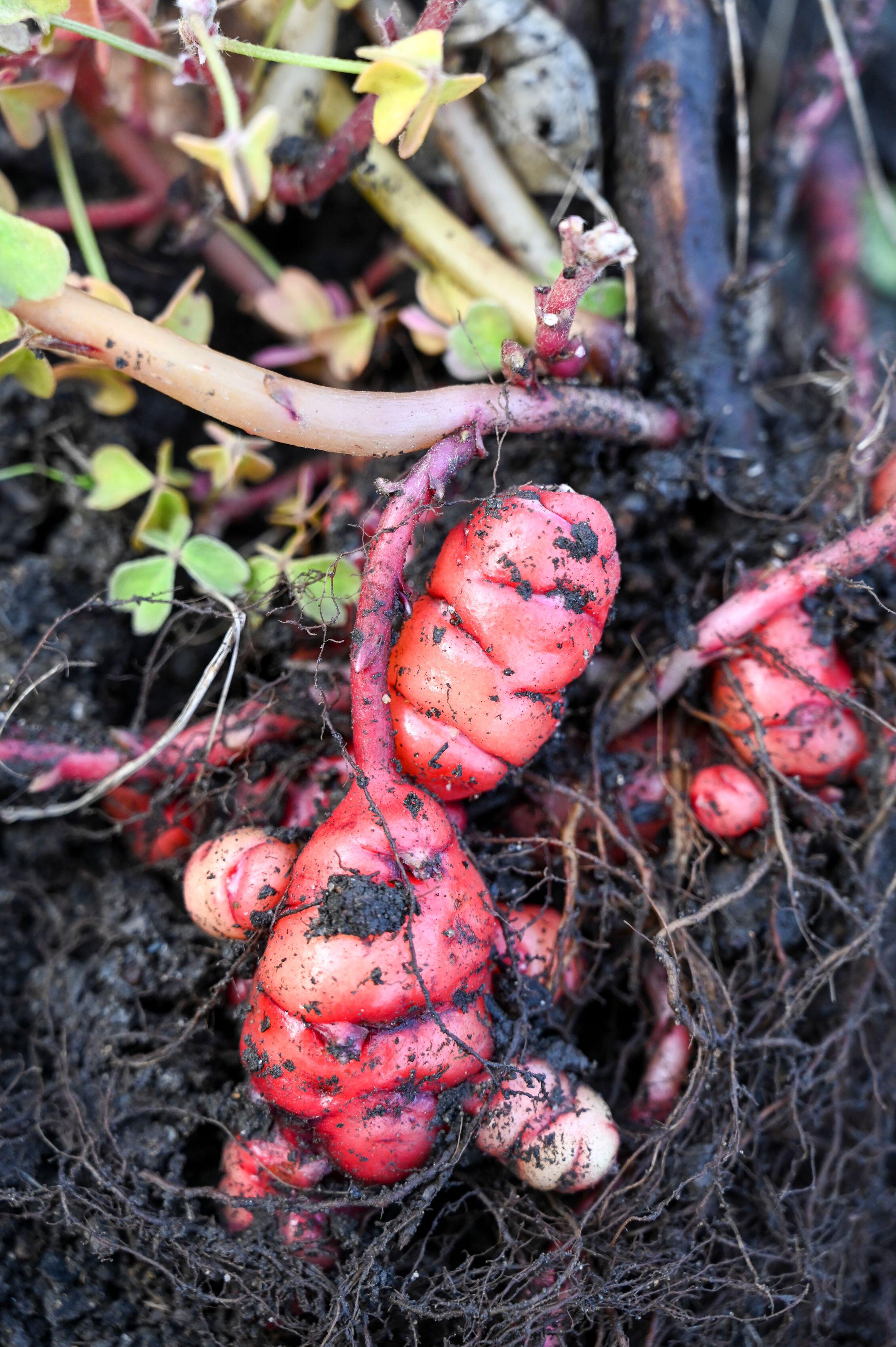
“These are root crops — I grow them alongside potatoes,” says Dove. “They would substitute maincrop potatoes and have an autumn harvest and they don’t get blight. They come from the Andes — the same place as potatoes — and we are just experimenting with them at the minute to see how well they’ll grow.
“You will still have potatoes, but if one thing fails you can put another in its place.”
Oca tubers have a fresh, lemony taste and, like you do with potatoes, you would mash or roast them, while their leaves can also be used in salads.
2. Mashua
“This is a climbing nasturtium from the Andes and its leaves are edible,” Dove explains. “Mashua has a peppery flavour and it climbs, and has an abundant root which is white and looks like a big teardrop. You lift them in autumn and they are really good roasted. You can buy them from online retailers, as you would buy seed potatoes. They are treated exactly the same as potatoes and they don’t get blight.”
3. Orchard additions
Heritage apples need a certain amount of winter cold to stay dormant, but because our winters are getting warmer, they are becoming less productive, Dove explains. Apple varieties from places like South Africa and New Zealand are doing better here because they don’t need as many chilling hours over the winter.
“I suspect that a traditional British orchard — which used to contain apples, plums, pears and cherries — will contain more varieties, such as South African varieties, and maybe peaches. I see peach trees growing alongside apples in future.”
“Warmer winters are having more detrimental effect on growing in the kitchen garden as our summers,” she continues. “Perennial plants aren’t getting the dormancy, while pests and diseases aren’t being killed off.”
4. Tomatillos
“These are Mexican in origin and need the heat we have now and they don’t get blight, although the fruits are very similar to tomatoes. They aren’t as sweet but they make really good salsa and are low maintenance and are more a cooking tomato. I’ve never seen them in shops, but I think we will do in future.
“As climate change continues we may be growing more of them. They start fruiting a bit later than tomatoes, towards August, and aren’t frost-tolerant. But the frosts are coming later as the winters get warmer.”
5. Callaloo and malabar spinach
“People struggle with lettuces in the heat in the middle of summer, so I grow alternate things like callaloo, a Jamaican leaf which has adapted to do well in this country, and malabar spinach (native to tropical Asia), which is not technically a spinach but a vine, so ideal for vertical planting. The leaves are edible but taste a bit like spinach and it’s so abundant once it takes off.
“In the middle of the summer, we will be planting heat lovers to replace the lettuces. You can sow them till the end of June and once they start growing they are so fast and will last until the first frosts. And you never see callaloo in the shops.” Read More...