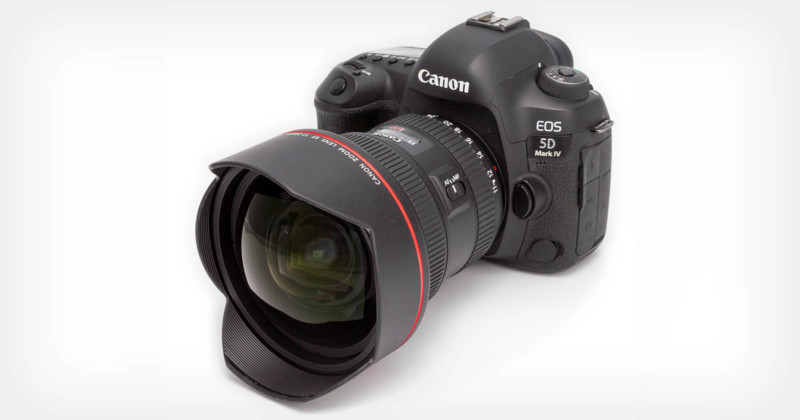
What is a DSLR Camera?
-
 Loading...
 - Marko Ivanov
- 28 Sep 2022
- 78 Views
- 0 Like
- 0 Comment
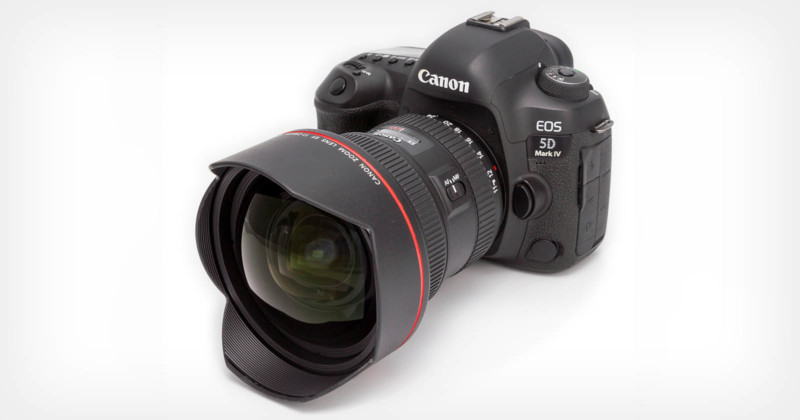
If it seems like there’s more new photography technology than what you can keep up with, you are probably correct. However, don’t let that deter you from learning the industry standards and terms within it. One of those terms that you’ll likely come across is the digital single-lens reflex (DSLR) camera, which has been the leading type of camera for still photography throughout the past decade.
While we are likely nearing (or already at) the end of the DSLR’s reign, the DSLR will be relevant in photography for many years to come. This guide will help you understand what a DSLR camera is and how it compares to other types of cameras.
Table of Contents
What Does DSLR Mean?
DSLR Body Designs
DSLR Sensor Sizes
Popular DSLR Models and Brands
Point-and-Shoot vs DSLR
Mirrorless vs DSLR
What Does DSLR Mean?
“Digital single-lens reflex” isn’t exactly the easiest term to understand off the bat. However, it makes more sense when you break down each part.
Digital: This implies that the camera is not film-based and that images are captured digitally on an image sensor instead of using photographic light-sensitive film. The film-based counterpart (which came before the DSLR) was called a single-lens reflex, or SLR, camera.
Single-Lens: This term is somewhat self-explanatory, and it means that only one lens is used on the camera. The lens is used in taking and previewing the image. This is opposed to a twin-lens reflex camera, which essentially uses one lens to take the picture and one lens to view the scene before the picture is taken.
Reflex: This refers to the fact that the photographer can see exactly what scene will be captured using a DSLR camera. The mirror in a DSLR directs the light toward the optical viewfinder. Other types of cameras sometimes have different mechanisms, and they don’t always project the exact scene that will be captured.
DSLR cameras operate using a mirror angled at 45 degrees, which directs light up toward the optical viewfinder for the photographer to see. The light is not routed through a digital path, which is why you can see a scene through a DSLR’s viewfinder when it is powered off.
When the shutter button is pressed, the mirror is lifted up to reveal the camera’s sensor for an exposure. This changes the path of light from going up into the viewfinder to going straight into the sensor, which is why there is a brief blackout of the viewfinder when taking a picture. This also produces the satisfying, yet sometimes inconvenient shutter noise that is commonly associated with DSLR cameras. Read More...