What is an FPV Drone? Everything You Need to Know
-
 Loading...
 - Carlos Rojas
- 07 Sep 2022
- 75 Views
- 0 Like
- 0 Comment
It’s incredibly satisfying to capture awe-inspiring aerial shots with a drone, and while seeing the world from high above is always intriguing, some pilots make an exciting flight as big of a part of the experience as the beautiful scenery that’s being highlighted.
For tricks like flying through tight spaces, doing barrel rolls, and high-speed maneuvers, there are few tools that can compete with an FPV drone, expanding what’s possible with a video camera.
That said, it isn’t exactly easy to achieve these acrobatic moves. Any camera drone allows you to change your perspective and get shots that would be difficult or impossible any other way. That means an FPV drone might not be the right choice for you, depending on the type of video or photo you want to capture.
Table of Contents
What Does FPV Mean?
DJI Avata Versus DJI Mini 3 Pro
How Do You Fly an FPV Drone?
Why You Should (and Shouldn’t) Get an FPV Drone
Is an FPV Drone Right for You?
What Does FPV Mean?
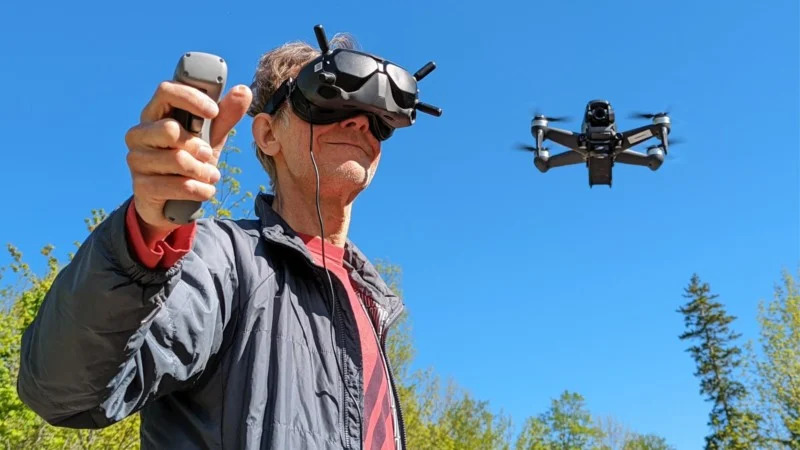
In the drone world, FPV stands for “first-person view” and it means that, as the pilot, you can see what the drone sees. It suddenly makes you more mobile than ever before and lets you see things that could have been missed from the ground, like flying over the treetops or under bridges. Most modern drones include a camera and the ability to transmit a live feed to a smartphone. Technically, nearly every drone is an FPV drone but that definition is changing.
Some FPV racing drones come as kits with headsets and high-quality cameras sold separately.
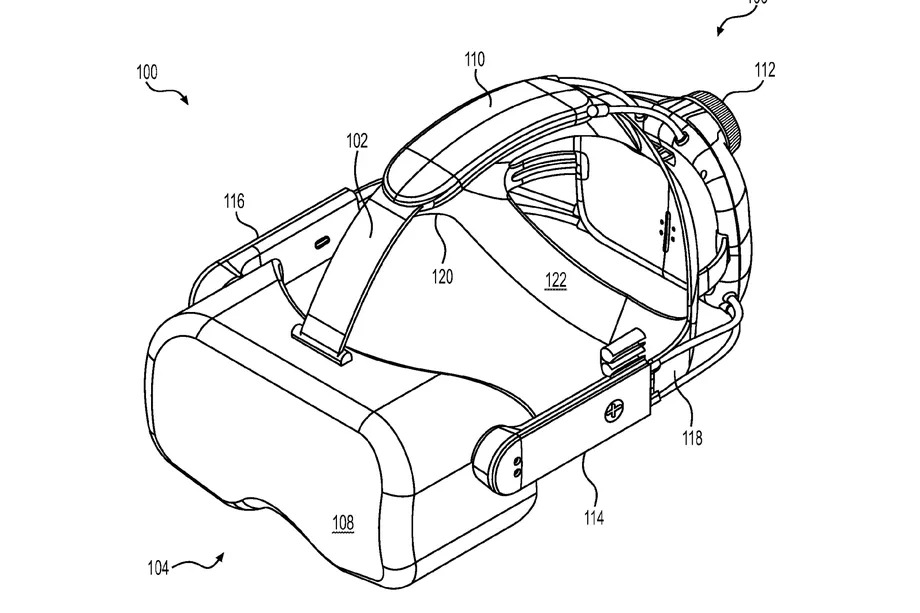
To the leading drone manufacturer in the world, FPV means something more. While every DJI drone can provide a first-person perspective from the camera, only two of its drones come with a head-mounted display for totally immersive viewing. The DJI FPV and DJI Avata include a complete FPV system with a preassembled drone, battery, camera, transmitter, remote controller, and goggles. Read More...