What Is Parthenogenesis And Can It Help Protect Endangered Species?
-
 Loading...
 - Relindis Vondou
- 01 Sep 2022
- 83 Views
- 0 Like
- 0 Comment
For decades, asexual reproduction in animals, known as parthenogenesis, has been thought to be the key to protecting endangered species. Artificial insemination is emerging as a viable means to aid the survival of some endangered animals. But what is parthenogenesis exactly, how does it work, and is it really going to save animals from extinction?
—
What Is Parthenogenesis?
Natural Parthenogenesis
Parthenogenesis, which derives from Greek and translates to “virgin birth”, is a type of asexual reproduction in which the offspring of some species develops from the egg or female gamete without first being fertilised by the male gamete.
Generally, an egg cell and a sperm cell are required for sexual reproduction. Each contains half of the genetic information required for a living creature to develop. However, in parthenogenesis, the body devises a novel method of replacing the genes normally delivered by the sperm.
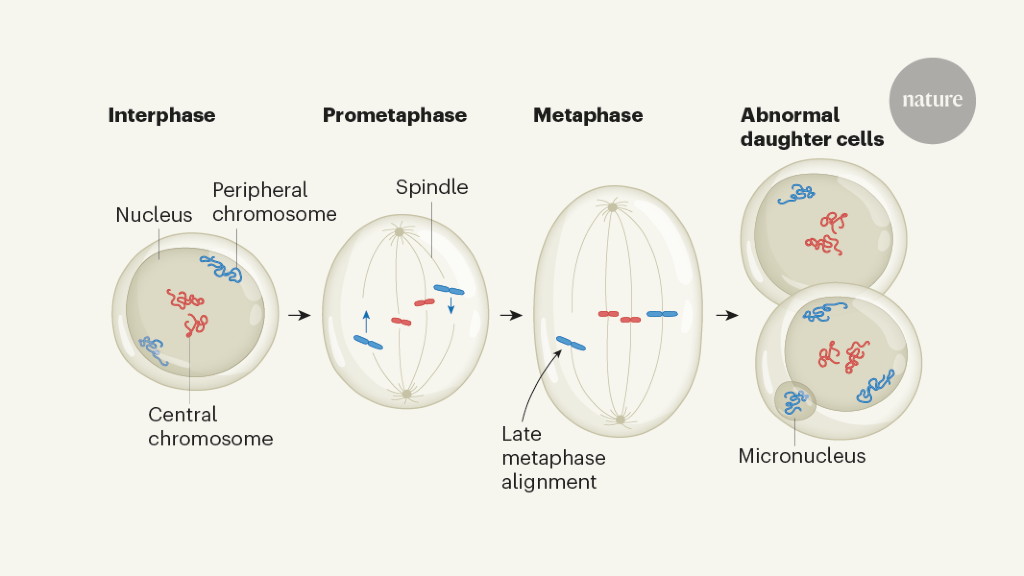
Ovaries generate eggs via a complicated process known as meiosis, in which cells reproduce, rearrange, and then separate. These eggs have just half of the mother’s chromosomes, with one copy of each. These are known as haploid cells, and cells with two chromosomal copies are known as diploid cells.
Tiny cells known as polar bodies are a byproduct of meiosis and they differ from the viable egg. An animal can create offspring by merging a polar body with an egg in a kind of parthenogenesis known as Automixis. This mechanism, which has been observed mostly in sharks, slightly shuffles the mother’s DNA to produce children who are close to but not identical clones of the mother.
Another example of parthenogenesis is Apomixis, a process in which reproductive cells multiply by mitosis. To put it in simple words, it is a type of genetic copy-and-paste. Because these cells do not go through the gene-jumbling process of meiosis, the offspring generated are genetically identical clones of their parents. Plants are more prone to this type of parthenogenesis. Read More...