What's Real and Fictional in Netflix's Disaster Series La Palma
-
 Loading...
 - Amon Mostafa
- 03 Feb 2025
- 32 Views
- 0 Like
- 0 Comment
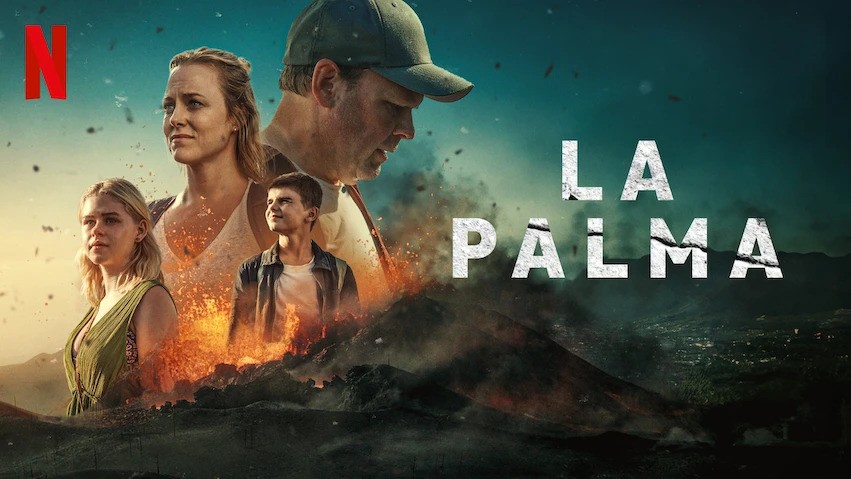
The Norwegian series La Palma has captivated audiences on Netflix, quickly becoming one of the platform's most popular non-English language series. The show dramatizes a volcanic disaster on the island of La Palma in the Canary Islands, leading to a catastrophic tsunami that devastates not only the island but also reaches as far as New York City. While the series has garnered significant viewership, it raises questions about the realism of its portrayal of volcanic eruptions and tsunamis. Here’s a breakdown of what’s real and what’s fictional in La Palma.
The volcanic eruption depicted in La Palma is based on real events. In 2021, La Palma experienced a significant volcanic eruption that resulted in the destruction of over 2,600 houses. Fortunately, only one death was indirectly linked to the eruption, highlighting the effectiveness of emergency response measures. The eruption caused lava flows that impacted the island's largest city, demonstrating the real threat posed by volcanic activity in this region.
La Palma is known for being the most volcanically active of the Canary Islands, with a history of eruptions dating back thousands of years. The island itself formed less than two million years ago and has a complex geological structure, including a large magma chamber discovered about ten kilometers beneath the surface.
While the volcanic eruption is grounded in reality, the series takes creative liberties with the consequences of such an event, particularly regarding the tsunami. The show depicts a scenario where large parts of La Palma collapse into the sea, generating a massive tidal wave that devastates the Canary Islands and reaches the eastern coast of the United States.
The hypothesis of a potential tsunami resulting from a landslide on La Palma was first proposed in a 2001 study by tsunami researchers Steven Ward and Simon Day. They suggested that a significant collapse of the island's western flank could indeed generate a tsunami, potentially reaching heights of up to 900 meters at its source. However, by the time such a wave would travel across the Atlantic, it would likely diminish to a height of 10 to 25 meters, depending on various factors.
While the study presents a theoretical risk, there has been no documented instance of such a catastrophic event occurring in modern history. The portrayal of a tsunami of the magnitude shown in La Palma is thus exaggerated for dramatic effect, although it is rooted in scientific speculation.
La Palma's unique geography contributes to its volcanic activity. The island rises nearly 7,000 meters from the ocean floor, with the highest point, the Caldera de Taburiente, reaching 2,426 meters above sea level. This steep topography makes the island susceptible to landslides, which is a key element in the tsunami hypothesis. The series effectively captures the dramatic landscape of La Palma, which is home to some of the world's leading astronomical observatories due to its clear skies and high elevation.
La Palma successfully intertwines real geological events with fictional dramatization, creating a compelling narrative that resonates with viewers. While the volcanic eruption depicted in the series is based on actual occurrences, the catastrophic tsunami and its far-reaching effects are largely fictionalized, drawing on scientific theories rather than historical events. The series serves as both an entertaining disaster drama and a reminder of the real geological risks faced by regions like La Palma, sparking interest in the science behind volcanic activity and tsunamis.