When to visit Belize
-
 Loading...
 - Daisy Murray
- 25 Apr 2023
- 114 Views
- 0 Like
- 0 Comment
Tiny, tropical Belize is where Spanish-flavoured Central America meets the captivating culture of the Caribbean, but it pays to think about when to go.
You’ll get the best out of Belize’s Mayan ruins, vine-draped rainforests and the largest barrier reef outside of Australia during the dry season from December to April. At other times, crowds evaporate and prices plummet, offering a more relaxed taste of the tropics.
Many visitors swear by the shoulder season in November and May, when there’s still plenty of sunshine, but much less competition for towel space on Belize’s Caribbean beaches.
Some activities, though are definitely better in the dry – rain can put a real damper on diving in the spooky Blue Hole at Lighthouse Reef or exploring the flooded caverns of Actun Tunichil Muknal. Plus, the summer heat can be a lot to handle. Here’s our guide to help you decide the perfect time to visit Belize.
The dry season (December to April) has the best weather
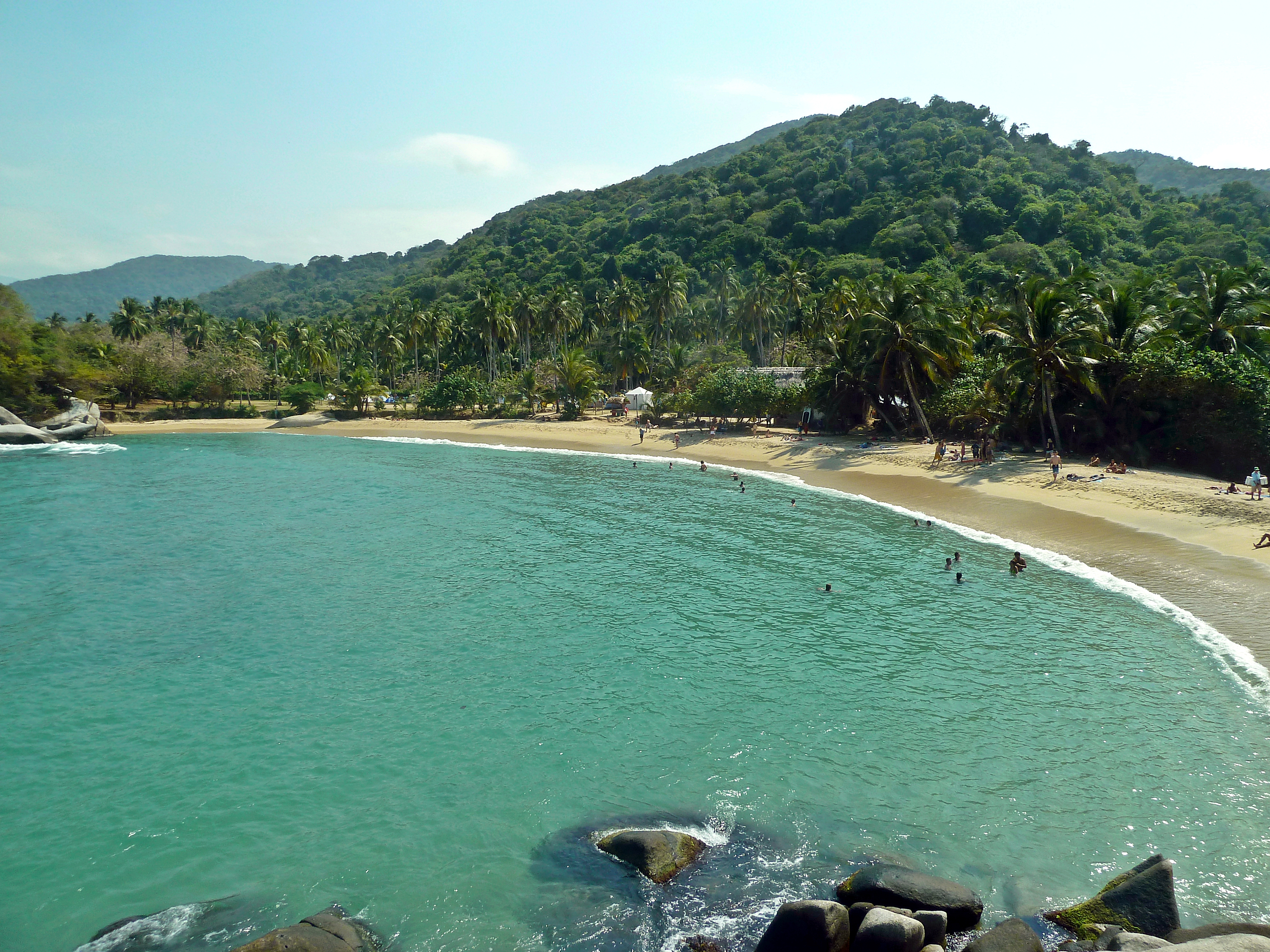
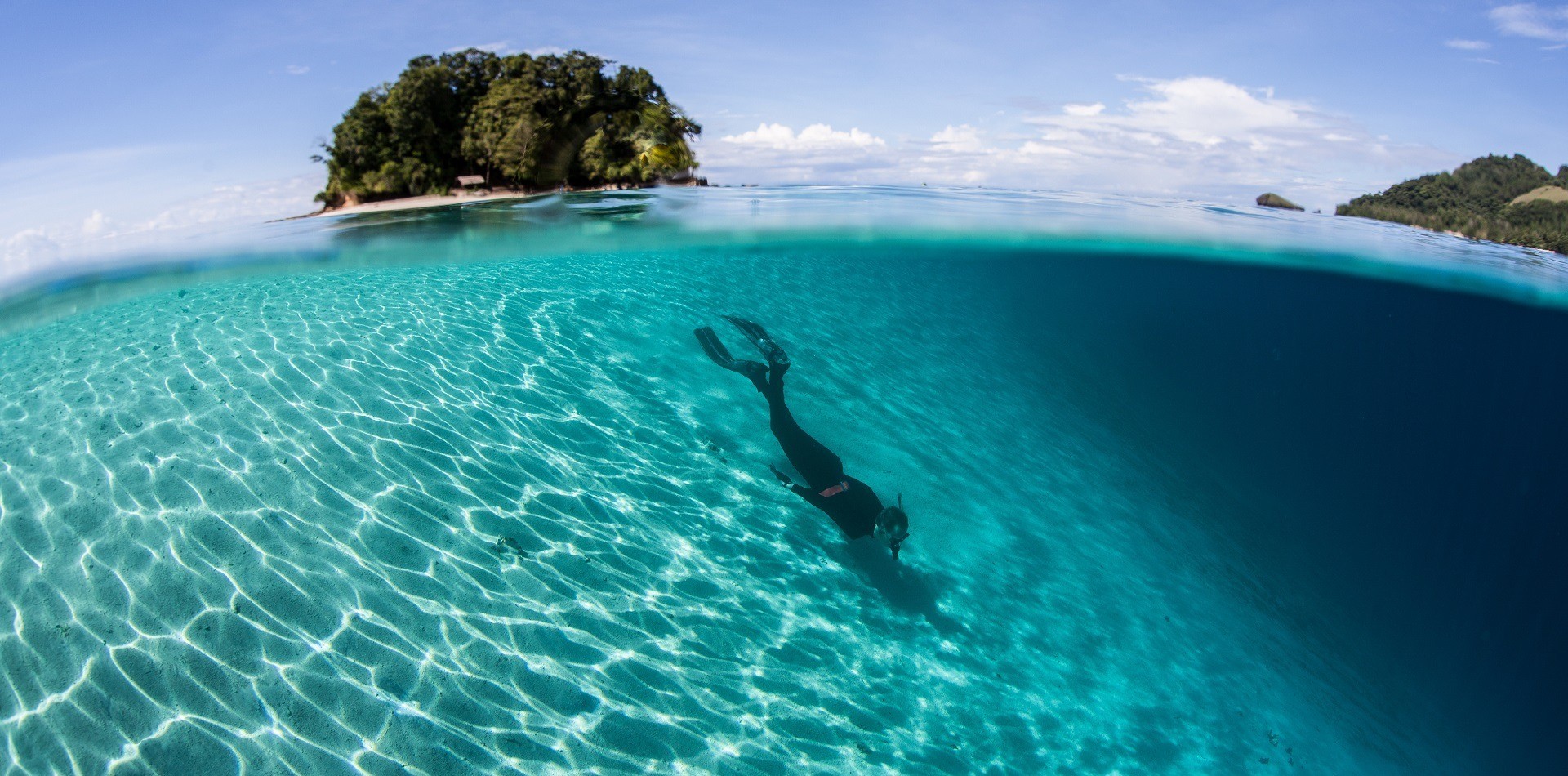
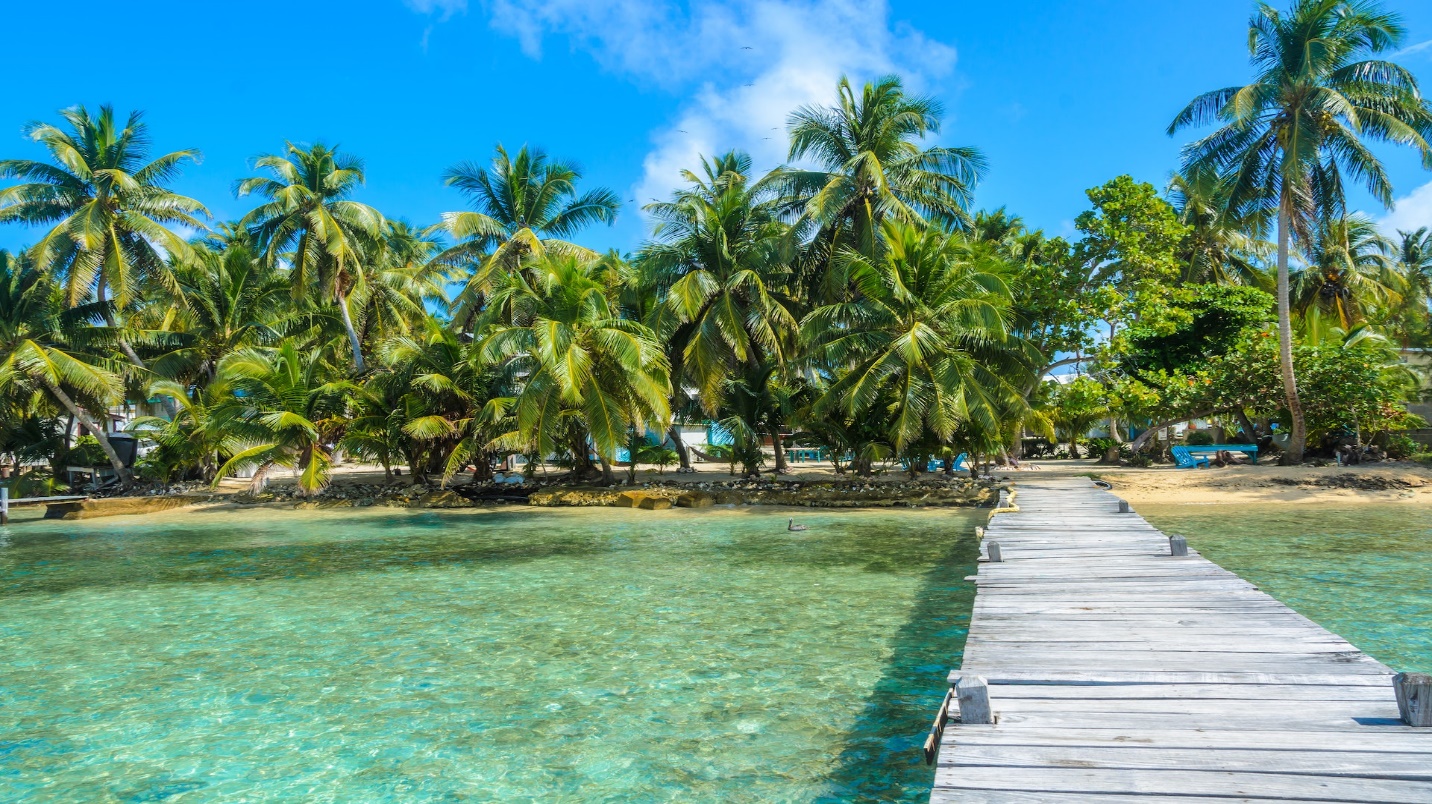
Brilliant blue skies. Birdlife checking in along the Caribbean Coast. Belize's dry season (December to April) offers prime weather for birding, sunbathing, swimming, and diving on the beaches of Caye Caulker, Ambergris Caye, and hundreds of other islands along the Belize Barrier Reef. Accordingly, hotels and transport operators bump up their prices by 30% to 50%.
Although the dry season only really gets underway in late January, the post-New Year holidays see a huge influx of people and a big increase in prices, so those extra-high “peak” prices apply from mid-December to mid-January. Reservations are essential if you plan on enjoying some Christmas sun.
There are big NYE parties in San Pedro, horse races at Burrell Boom and cyclists ride from Corozal to Belize City for the Krem Annual New Year's Day Classic.
In February, prices for accommodation remain high, and there’s lots of demand for space on boats to the cayes and trips inland to caves, ruins and jungle reserves. Lagoons and rivers begin to dry up and birds become easier to spot, as they congregate around the limited remaining water sources. Read More…