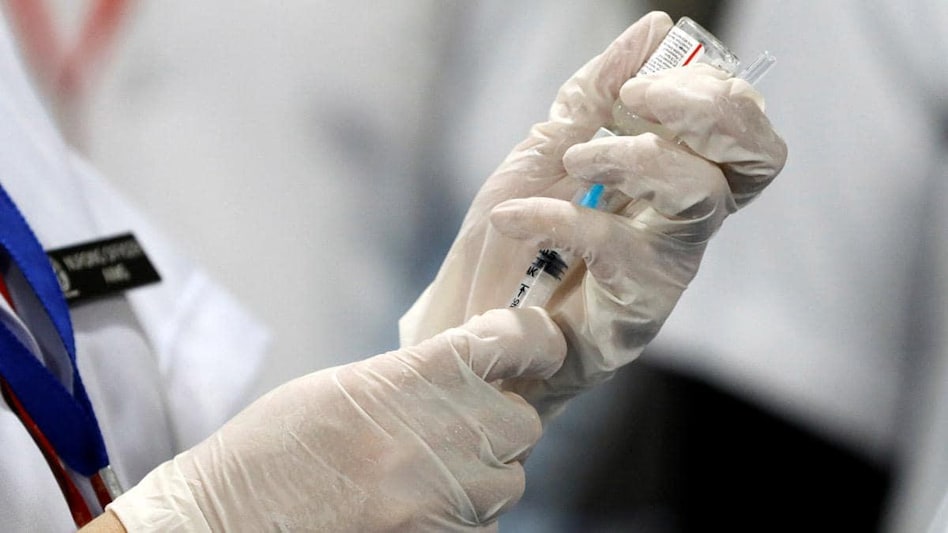
Which parts of Austria are already administering second boosters?
-
 Loading...
 - Finn Gruber
- 07 Apr 2022
- 346 Views
- 0 Like
- 0 Comment
Which parts of Austria are already administering second boosters?
The debate surrounding the fourth dose of the Covid-19 vaccine – or “fourth stitch”, as it is known in Austria – is starting to pick up pace.
Some medical experts around the world are advocating for a fourth dose, especially before the next autumn and winter season, and a handful of countries have already started administering the jabs.
Meanwhile, others are taking a more cautious approach and waiting for further data about the effectiveness of the second booster before making a decision.
Austria is currently sitting somewhere in the middle with a tentative roll out of the fourth dose for older people in Vienna, while acknowledging data about the second booster is still sparse.
Confused? Here’s an explainer on the current situation.
Which countries are already administering the fourth dose?
As with earlier stages of the pandemic, some countries around the world are pushing ahead with their vaccination programs and are already administering the fourth dose to older generations and at-risk groups.
In Sweden, a fourth vaccination is currently available to people over the age of 80, but the country now wants to open up eligibility to those aged 65 and over. According to Sweden’s health authority, it has now been four months since people over 65 received the third dose and immunity could be waning.
In Israel, a second booster campaign was launched at the start of 2022 for medical staff, those who are immunocompromised and people over the age of 60. The eligibility group was then expanded further at the end of January to include anyone aged 18 and above who is in a risk group or cares for someone at risk.
In the USA, the US Food and Drug Administration (FDA) recently issued emergency approval for a fourth dose of the Pfizer/BioNTech and Moderna mRNA vaccines. The fourth dose is for people aged 50 and over, those with weakened immune systems or for those who received the third dose more than four months ago.
A fourth dose of an mRNA Covid-19 vaccine has also been available in Germany since February for people over the age of 70 and those at risk of serious illness.
And in the UK, a second booster is already available to people aged 75 and over, care home residents and children over the age of 12 with weakened immune systems. It is expected that a wider group of people will be eligible for the fourth dose later this year.
What is Austria’s approach?
Austria’s National Vaccination Committee (NIG) currently recommends the fourth dose of the Covid-19 vaccine only for high-risk people and those over the age of 65. The dose can be administered six months from the first booster shot (third dose).
This is the approach that will be taken in Vienna, where the Pfizer/BioNTech and Moderna vaccinations will be offered to eligible residents.
While states are still not officially offering the fourth shot, people eligible could still get them after an individual benefit-risk assessment by their doctor and at personal request (off-label), according to NIG.
For those wishing to get a second booster, they are requested to contact their GP and discuss the matter.
However, the report by the NIG also states a fourth dose is not yet generally recommended for “immunocompetent individuals” (people with a normally-functioning immune system) due to limited data.
What is the official recommendation in the EU?
Currently, there is not an official EU-wide recommendation regarding a fourth dose of the Covid-19 vaccine.
But at a meeting in Brussels on March 29th, several European health ministers urged the European Commission to establish an EU protocol regarding the second booster.
According to Reuters, ministers are particularly concerned about those over the age of 60. Concerns were also raised that a vaccine adapted to new variants of the virus will probably not be available until later this year.
The meeting in Brussels followed a statement by the European Medicines Agency (EMA) on March 17th which said there was not enough data to support a recommendation for a fourth dose of the vaccine for the general population. The EMA added that this will be reviewed when more data is available.
Do we really need a fourth dose of the Covid-19 vaccine?
Data coming out of Israel – which has been a pioneer in authorising the use of Covid-19 vaccines – shows that there is a reduction in hospitalisation and deaths in older people (aged over 60) who have received the second booster four months after the first.
Despite the figures though, there is still a lot of discussion within Austria, and around the world, as to whether a fourth dose is really needed. Read More...