Whooping Cough: The 3 Stages and Tips for Prevention
-
 Loading...
 - Rodriques sakina
- 04 May 2023
- 69 Views
- 0 Like
- 0 Comment
Pertussis, commonly known as whooping cough, is a bacterial infection that affects the respiratory system and spreads very quickly from person to person. It can cause severe coughing fits that make breathing difficult and are particularly dangerous for babies. Fortunately, whooping cough is treatable with antibiotics and preventable through vaccination. This article covers the most important things to know about whooping cough, including its symptoms, treatment, and prevention.
What is whooping cough?
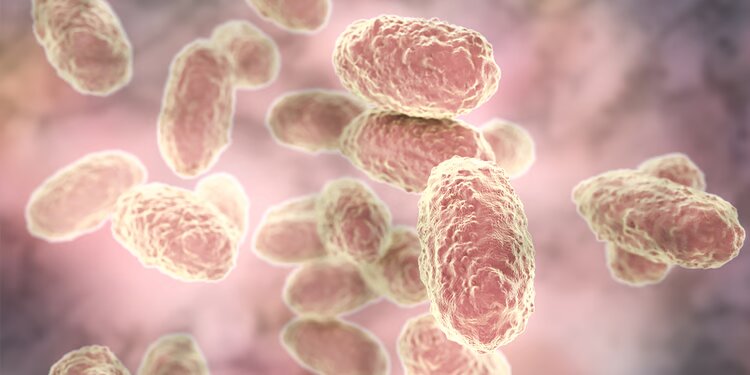
Whooping cough, or pertussis, is a highly contagious respiratory system infection caused by Bordetella pertussis bacteria. These bacteria spread from person to person through respiratory droplets when an infected person coughs or sneezes. Respiratory droplets are tiny, often invisible drops of fluid that come out of a person’s mouth when they breathe, talk, cough, or sneeze. They carry germs, which can cause infection if they land in another person’s nose, mouth, or eyes.
Once whooping cough bacteria enter the body, they attach to the lining of the upper airways and release toxins. These toxins cause inflammation and damage to the airways, resulting in symptoms.
Whooping cough symptoms
Whooping cough symptoms typically begin 7–10 days after contact with the infectious bacteria and then progress through three distinct stages: cold-like symptoms, coughing fits, and recovery. However, it’s important to know that symptoms can vary widely from person to person. For example, some people may have mild or no symptoms for the entire illness. Additionally, many babies may not cough, while older children and adults tend to cough without the classic “whoop” sound. Read More…


