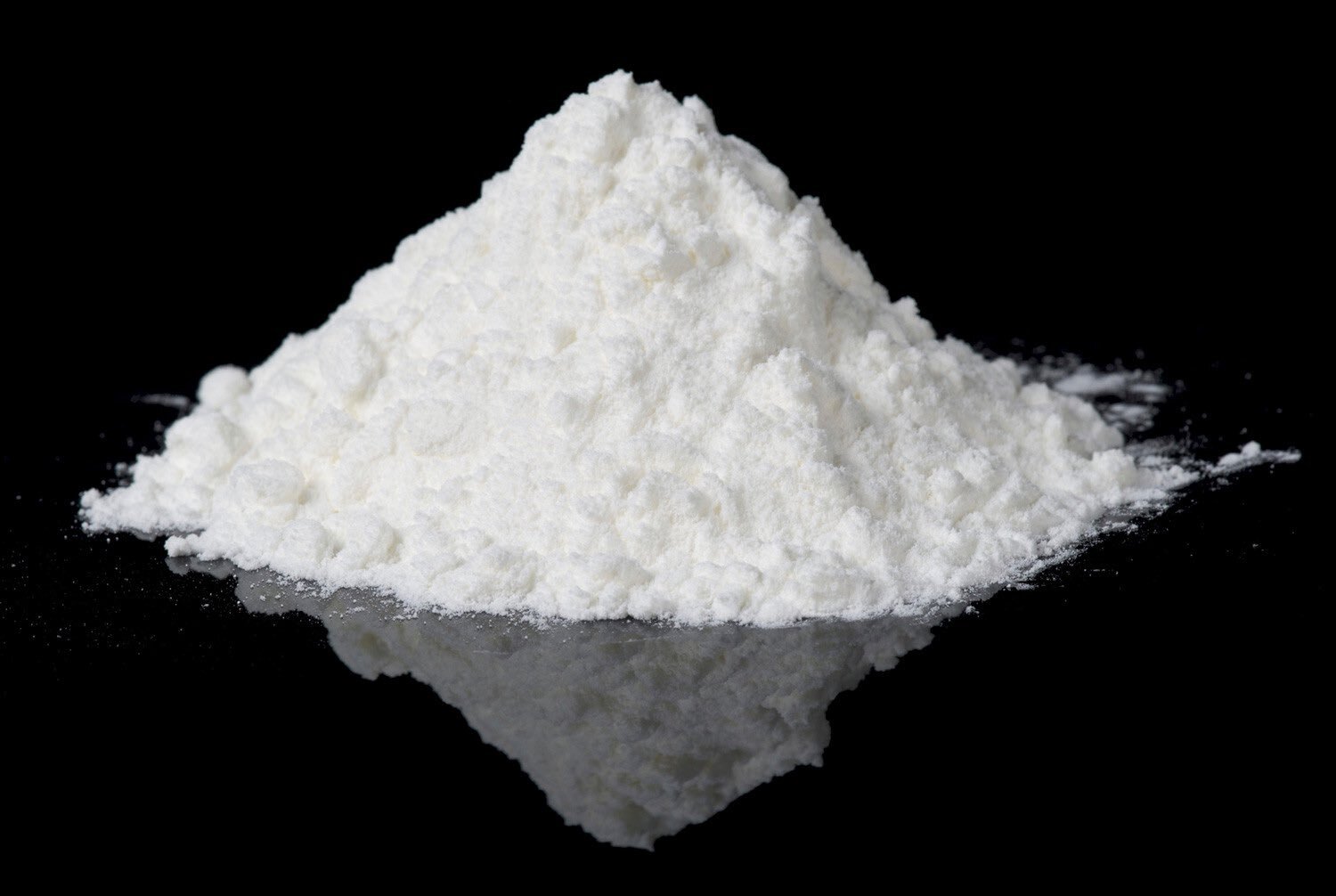
Why Are Most Organic Compounds Colorless/White?
-
 Loading...
 - Noah Harrison
- 24 Oct 2022
- 73 Views
- 0 Like
- 0 Comment
One day, you realize that you’ve taken the wrong medicine because every tablet seems to be white. You blame the doctor for not giving you more distinguishable medicine. This is why so many medicines are now colored; to make them visually obvious and distinguishable. Medicines constitute mainly organic compounds, and like most organic compounds, they are colorless/white.
What are organic compounds?
Organic compounds are molecules that primarily contain Carbon (C) and Hydrogen (H) atoms. Other atoms such as Oxygen (O), Nitrogen (N), Sulphur (S), Silicon (Si), etc. are also present, but in lower amounts compared to those first two.
These atoms help to characterize the organic compounds into various groups based on their unique properties.
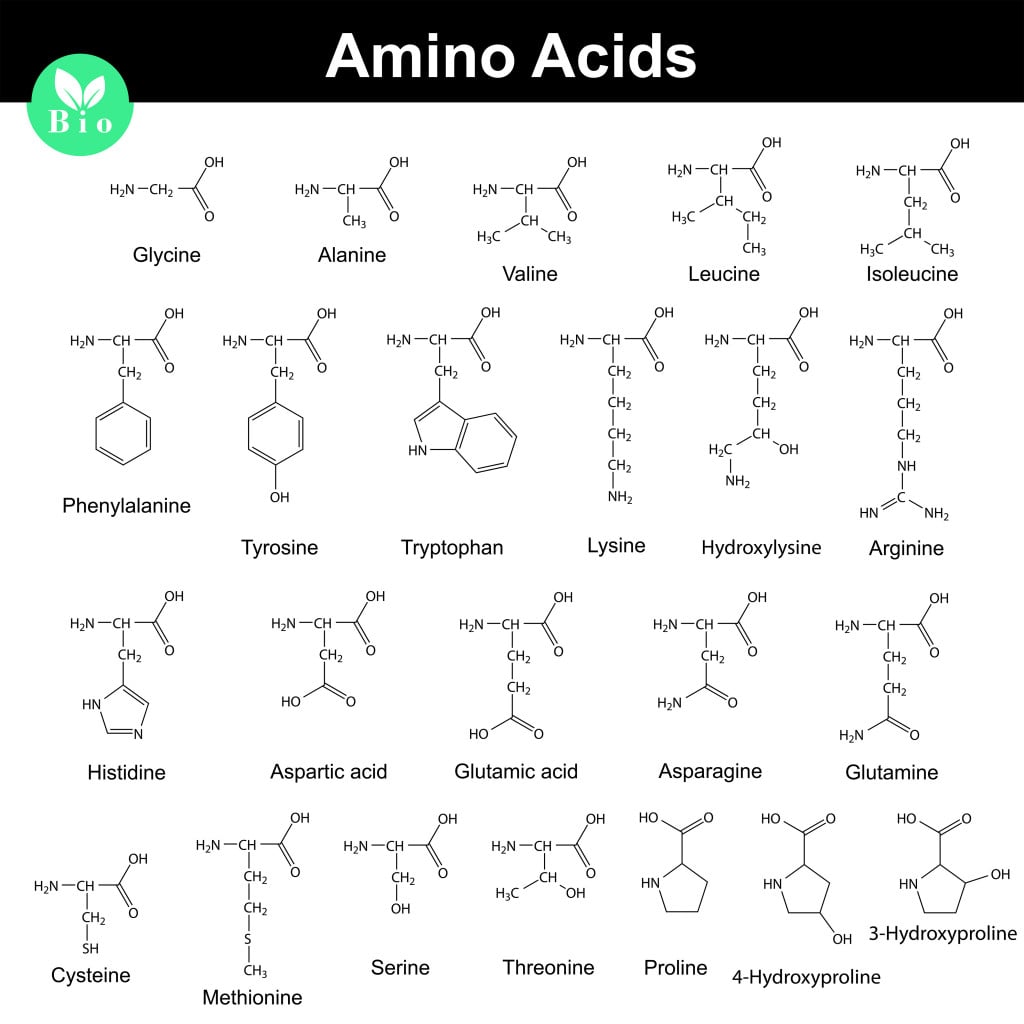
In the past, organic chemistry was thought to be the ‘chemistry of life,’ as living things comprised an abundant number of organic compounds, hence earning the term ‘organic’. The protagonist of the epic study called ‘organic chemistry’ is Carbon, owing to its tetravalency and key property of catenation.
There are more than 60 million organic compounds known today, and even more that are waiting to be discovered or invented.
Color Theory
When we talk of color, we simply need to remember “what is seen actually isn’t there.”
Sounds absurd, right?
You can clearly see the blue color of the sky and the red color of your t-shirt. You might think that something is wrong with your eyes, but that’s not the case.
However, it is the opposite, the color you see is actually not the color that the substance contains, but is instead its complementary color. This might sound counterintuitive, but it’s true.
The colors that we see around us are all within the visible part of the electromagnetic spectrum. White light itself is a spectrum of many colors and every color/shade has a corresponding wavelength.
When light falls on any substance, some of it is absorbed and the rest is reflected. The reflected light reaches our eye, which is the color that we see.
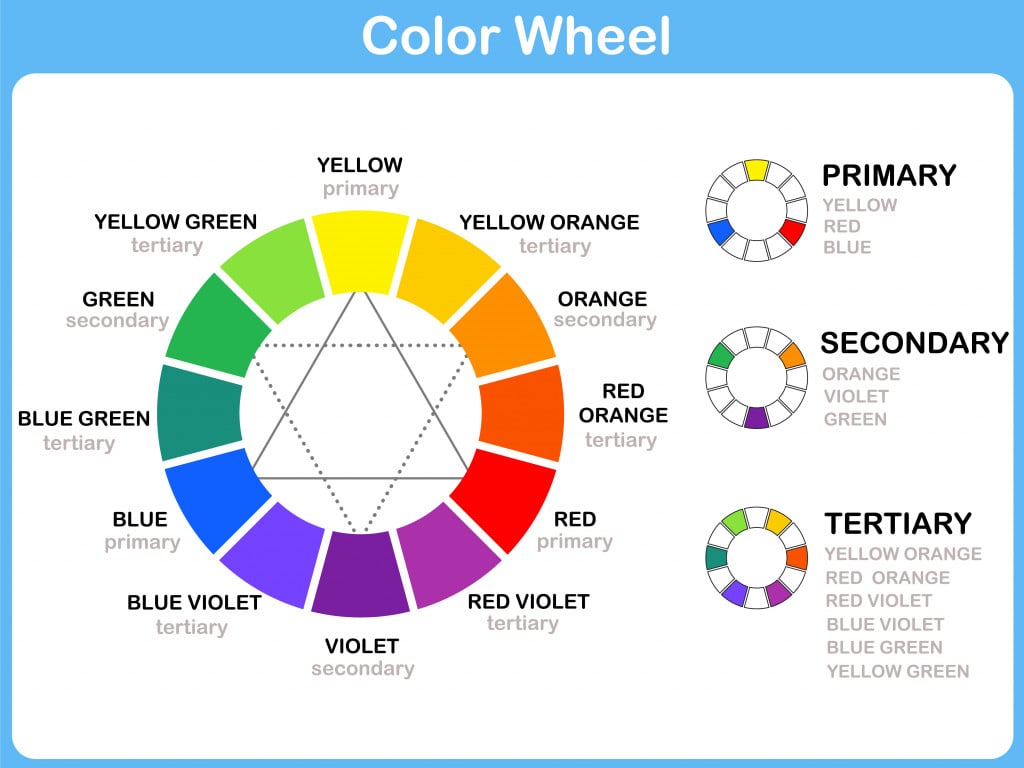
A color wheel that many of us must have seen in art classes can demonstrate this; the color we see, versus its complementary color that is absorbed.
So, when you see a yellow flower, the color that it has actually absorbed is violet.
When we talk of extremes, a substance appearing white indicates that it has reflected all the wavelengths, whereas a substance appearing black means that it has absorbed all the wavelengths and reflected none. Read More…