Why Colombia Should Focus More on Food Security and Expanding Agriculture
-
 Loading...
 - Ryan Griffin
- 12 Jun 2023
- 317 Views
- 0 Like
- 0 Comment
While we take some time to contemplate this significant global issue, Colombia should prioritize food security for the following compelling reasons:
Persistent hunger-related deaths in Colombia make it imperative to direct our focus towards this issue. Although numerous NGOs and international charities are operating in the country, Colombia needs to become self-reliant.
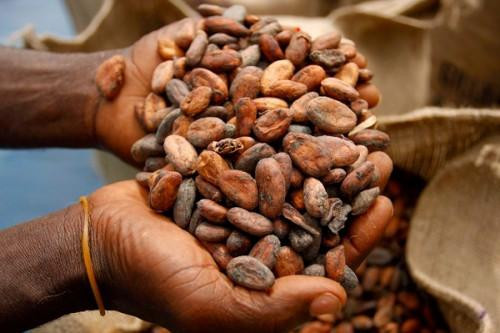
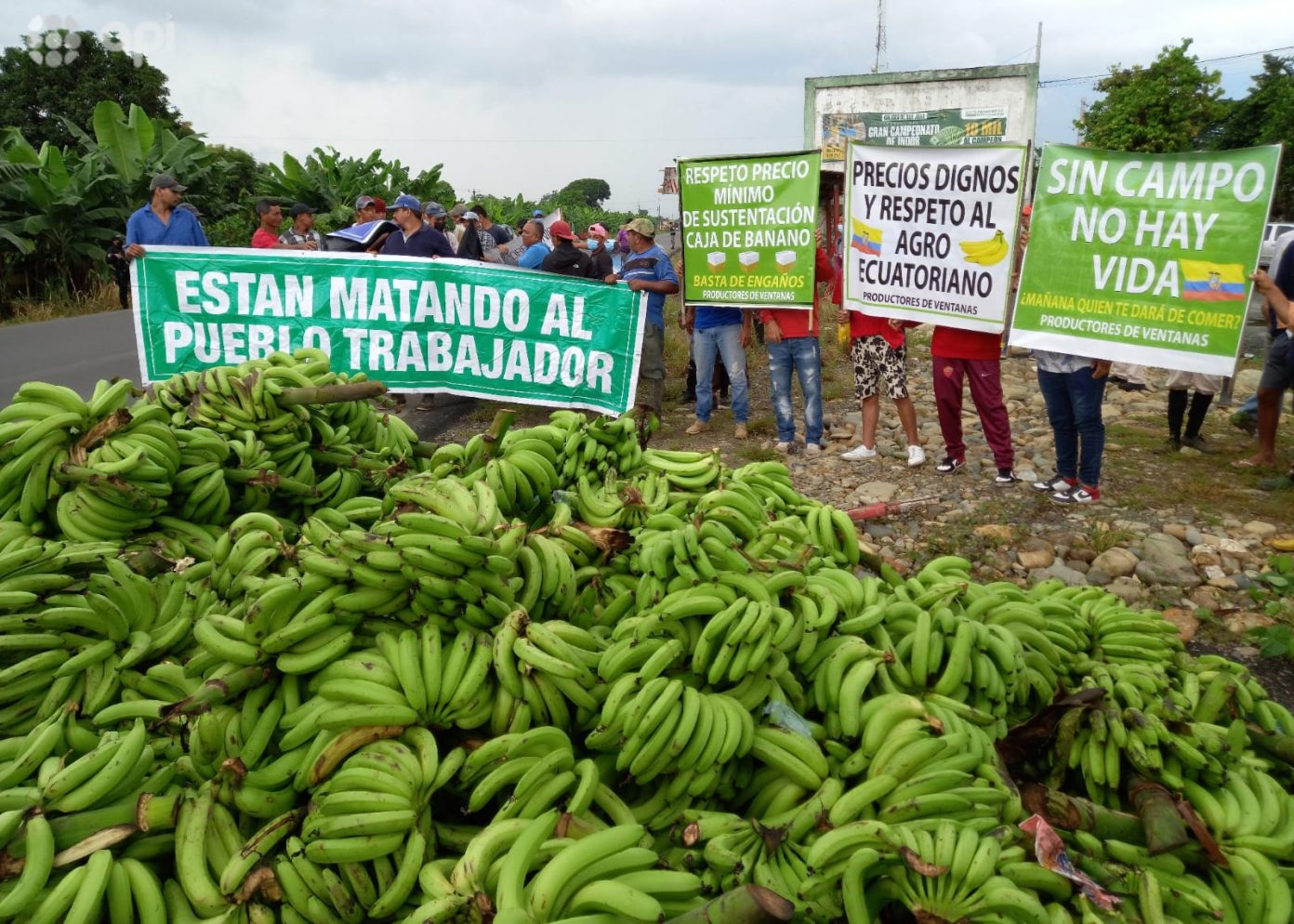
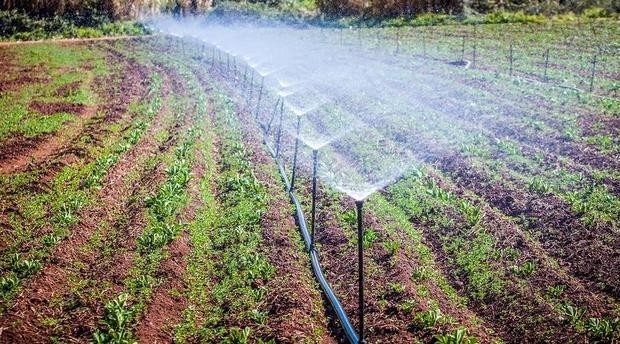
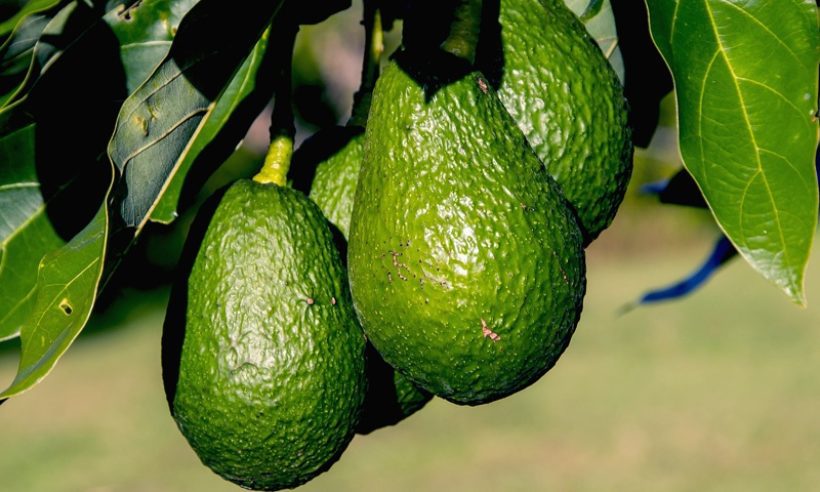
Despite possessing one of the most favorable climates for agriculture on Earth, Colombia is not fully capitalizing on its abundant sunlight and rainfall, which could create an ideal greenhouse environment. Colombia has seen remarkable success in various legal and illegal agricultural sectors, such as coffee, bananas, avocados, mangos, coca, cacao, cannabis, flowers, and meat. However, we have merely scratched the surface of its immense potential.
Colombia boasts an extensive 32 million hectares of arable land, of which a meager 4 million hectares are currently utilized. According to Oxfam, the wealthiest 1% predominantly own the countryside, yet they often leave their land idle. Many of these holdings were obtained unlawfully by armed groups like FARC and the AUC, and their backers during years of violence.
In 2021, Colombia had 39.3% of its population living in poverty and 12.2% in extreme poverty. With a GINI coefficient of 0.523, one of the highest in the Americas, the level of inequality is glaring. Among this data lies the stark reality that millions of Colombians suffer from malnutrition on a daily basis. While such circumstances might be somewhat understandable in the deserts of Ethiopia or Sudan, they are a national disgrace in a country like Colombia. Every single politician should feel ashamed.
In terms of the economy, oil reserves are gradually depleting, and coal is increasingly stigmatized in the energy sector. Colombia must gradually reduce its reliance on these exports without destabilizing its balance of payments. The solution lies within the countryside. While coffee, bananas, and flowers have achieved considerable success in international markets, they represent just a fraction of what Colombia could achieve with a comprehensive rural development strategy. The current administration, under the guise of the peace agreement, is striving to return stolen land to rightful owners. However, more radical action is necessary to ignite the agricultural export potential.
A rural boom would bring significant social benefits. Firstly, it would create employment opportunities. Hundreds of thousands already work in agriculture, but even more could be added to the workforce. Secondly, as Colombia becomes increasingly urbanized and its population migrates from rural areas to live in impoverished conditions and seek employment in cities, an agricultural boom could help slow down, or even reverse, this trend in the long run.
Food safety is a matter of utmost importance for Colombia, given its multifaceted implications.