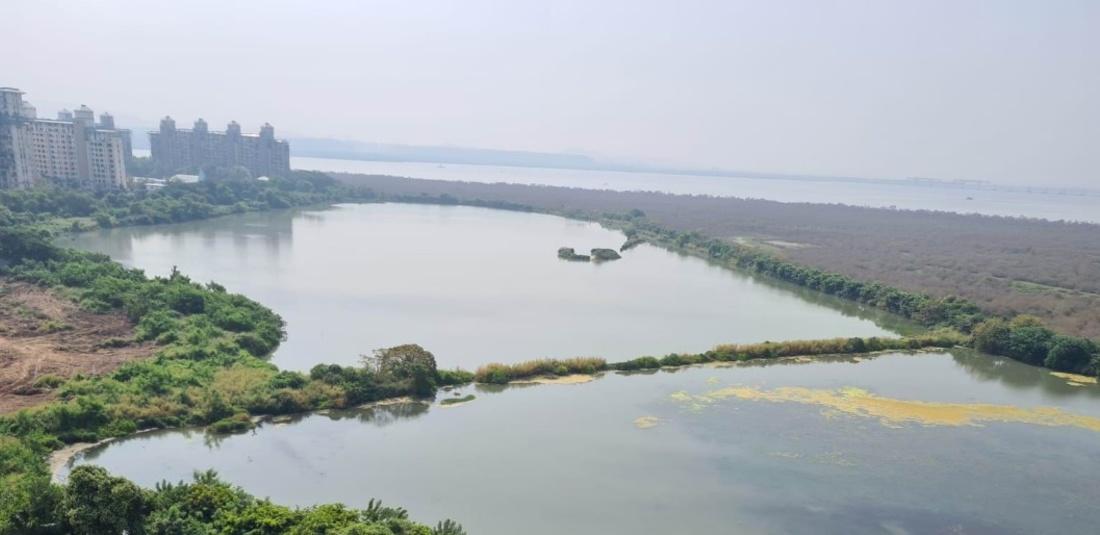
Why Conservation Of Wetlands And Their Biodiversity Is Key To Human Survival
-
 Loading...
 - Saira Mehta
- 03 Feb 2023
- 69 Views
- 0 Like
- 0 Comment
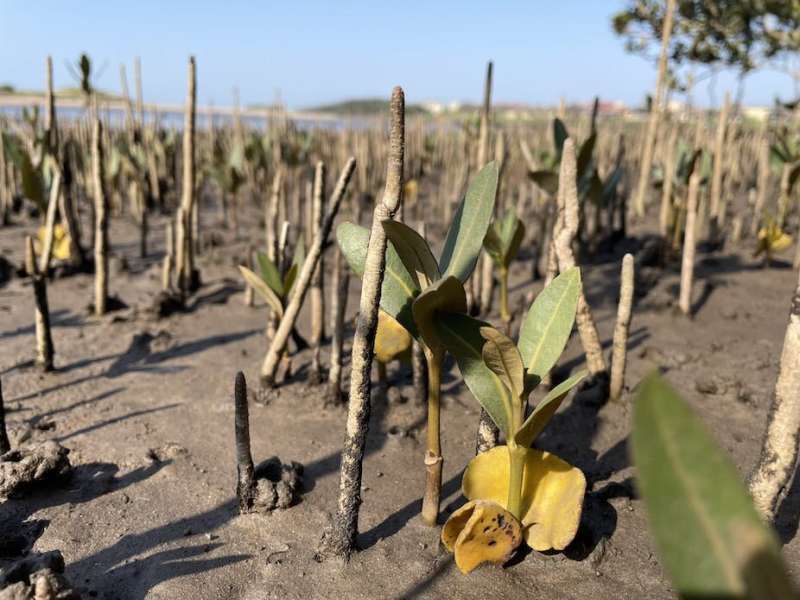
Wetlands are ecosystems which exist at the confluence of land and water. These ecosystems exist as mangroves, marshes, peatlands, ponds, lakes, reservoirs, floodplains, and deltas. Several popular tourist destinations in India, Sundarbans in West Bengal, Chilika Lake in Odisha, and Tso Moriri in Ladakh are amongst the most well-known wetlands in India.
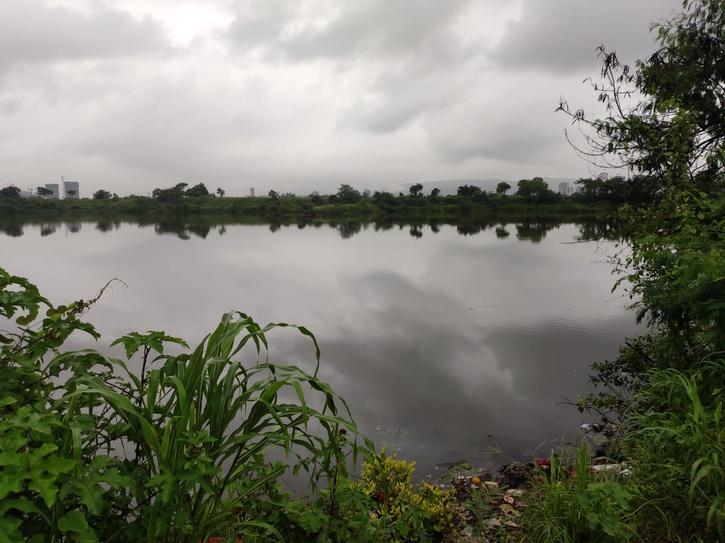
Wetlands in India
These ecosystems host biodiverse floral and faunal species and provide a variety of ecological services – including supporting the livelihoods of several indigenous communities. India has over 757000 wetlands which cover 15.3 million hectares or about 4.7% of the geographical area of the country. However, climate change, rapid urbanisation and pollution have cost India a third of its wetlands in the last four decades.
Wetlands are also crucial to our defence against climate change. With their thick canopies and aerial roots (especially mangroves), wetland floral species have an immense capacity to store carbon. They are often referred to as Blue Carbon Sinks and help in reducing emissions in urban areas. They act as buffers against storms, prevent flooding, control erosion, and store and purify water. Acting as a barrier to the increasing frequency and intensity of extreme weather events floods, wetlands are key to building climate resilience in cities. Read More…