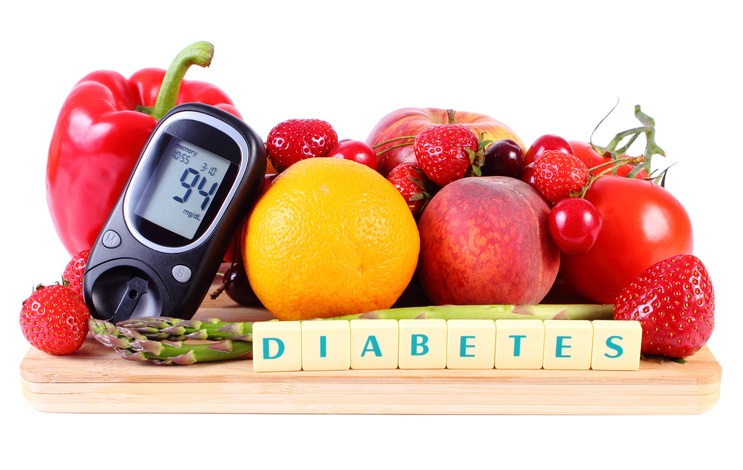
Why Is A Nutritious Diet Necessary For Diabetics?

Diet plays the most important role when it comes to diabetes management as it can quickly lead to a spike or a drop in a person’s sugar levels. Therefore, food for diabetics remains a much debated topic.
When a person gets diagnosed with diabetes, they need to take certain measures to keep their sugar levels within the controlled range. These changes include both lifestyle and dietary changes. Diabetes management can be an easy process if all the measures are followed in an effective manner.
Diet plays the most important role when it comes to diabetes management as it can quickly lead to a spike or a drop in a person’s sugar levels. Therefore, food for diabetics remains a much-debated topic.
What Kind Of Diet Is Suitable For A Diabetic Person?
A diabetic person is recommended a diet that is rich in protein and has fewer carbohydrates. Carbohydrates can quickly lead to a spike in a diabetic person’s sugar levels and therefore, they should be kept to a minimum while preparing a diabetic diet.
Healthy Diet Plan For People Having Diabetes
- Breakfast Options
A good breakfast should keep you satiated throughout the day. For a filling breakfast, you can options like oatmeal, eggs, low-fat milk, etc. oats are also a good source of magnesium and potassium. They can also help in lowering your blood pressure.
Do not forget to include some nuts and seeds in your breakfast. They are rich in Omega 3 and Omega 6 fatty acids. They can help you in reducing your stress levels. Almonds are a superfood for diabetics and they must include it in their diet.
- Lunch/ Dinner Options
You should remember to take a good amount of protein in your diet. You should include leafy greens as a part of your lunch or dinner. They can act as a powerhouse of stress-busting foods. Your body needs a good amount of protein to carry out its functioning.
- Snack Options
For snacks, it is essential that you do not overeat. Binge eating can quickly lead to a spike in sugar levels. You should always go for light and satiating munching options. You can go for Greek yogurt, dark chocolate, etc. These should be consumed while keeping your portion size in mind.
- Beverage Options
It is important to keep yourself hydrated while being a diabetic. Therefore, you should remember to have enough water throughout the day. You can go for drinks that are not sugary or carbonated. Healthy beverage options include infused water, herbal teas, green smoothies, etc.
Lifestyle Habits That Keep Your Sugar Levels Under Control
Apart from eating a protein-rich diet, it is also important to follow these habits if you wish to manage your sugar levels in the best way possible-
- Have A Regular Workout Routine
It is important to stay fit and active being a diabetic. You can go jogging or brisk walking as preferred modes of exercise. You should avoid high-intensity exercises or do them only after speaking to your doctor or health coach. You can also go for Yoga as it can be beneficial for both your physical and mental well-being.
- Avoid High Levels Of Stress
Your stress levels can have a direct impact on your stress levels. High levels of stress can be detrimental to your diabetic condition. You should practice exercises to keep your stress levels under control. You can also listen to soothing music, have a good laugh with friends, go for a walk outdoors, etc.
- Monitor Your Sugar Levels On A Regular Basis
Being a diabetic, it is imperative that you monitor your sugar levels on a regular basis. It is only if you know whether your sugar level is within the high, low or controlled range, you will be able to take control of your diabetic condition.
You can monitor your sugar levels using a blood sugar monitoring machine, also known as a glucometer. To check your sugar level, you need to prick your finger using a lancet to draw out a drop of blood. Put this blood on a test strip and then inside the glucometer. You will be able to get quick and accurate results within seconds.
If your sugar levels are not managed in the right manner, it can have both short-term and long-term complications. Short-term complications include fatigue, skin problems, nausea, etc. Long-term complications include liver damage, stroke, nerve damage, and even death.
If you have any doubts about how you should manage your diabetic condition, you should always speak to your doctor or health coach. You will get the right guidance and you should implement it to get the best results.


